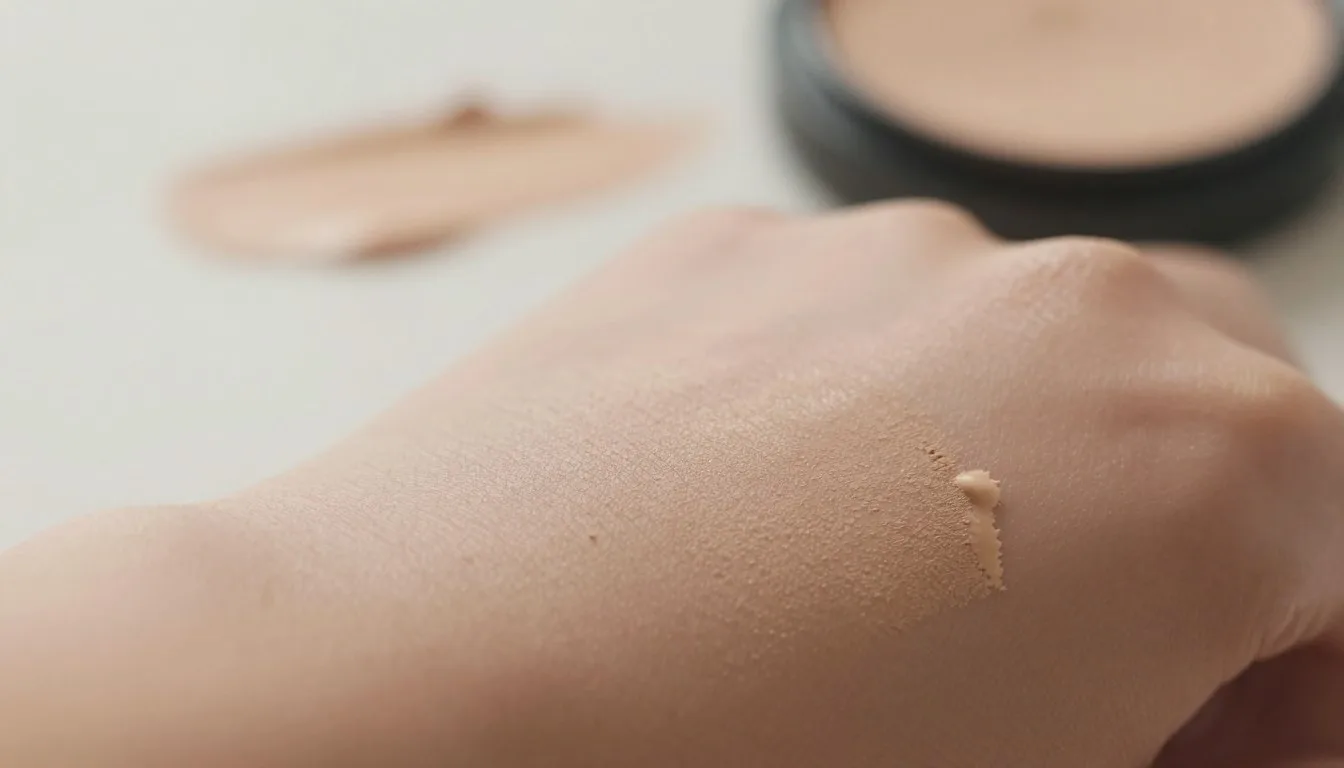
You’ve spent time perfecting your morning makeup routine, but by noon, it starts to break down. This common issue, known as makeup separation, can be frustrating.
Sebum production and oxidation are among the factors that contribute to this problem. When your foundation becomes patchy or separates, it can be due to the wrong primer usage or your skin type.
Understanding the causes is key to finding a solution. In this article, we’ll explore the reasons behind makeup separation and provide tips on how to prevent it.
Key Takeaways
- Sebum production can cause makeup to separate.
- Oxidation can lead to foundation breakdown.
- Using the right primer can help prevent separation.
- Skin type plays a role in makeup separation.
- Understanding your skin is key to preventing makeup separation.
Understanding What Makeup Separation Looks Like
Makeup separation is when your foundation or concealer doesn’t stay blended. This leads to an uneven look throughout the day.
Visual Signs
The signs include patchy areas, uneven tone, and a look of caked-on makeup. These show that your makeup is breaking down.
The Science Behind Breakdown
Foundation breakdown is caused by your skin’s oils and makeup products. This interaction can make the makeup separate or change color, causing an uneven look.
Different Skin Types
Different skin types face makeup separation in different ways. Dry skin may get flaky, oily skin may get too shiny, and combination skin may have both problems. Knowing your skin type helps solve makeup separation issues.
- Dry skin: Flakiness and dry patches
- Oily skin: Excess oil and shine
- Combination skin: Mixed challenges
Why Makeup Separates: Common Causes and Culprits
Makeup separation can be really frustrating. But knowing why it happens can help you fix it. It usually comes down to your skin and the makeup you use.
Skin Type Mismatches
Using the wrong makeup for your skin type is a big reason for separation. For example, if you have dry skin and use a matte foundation, it can make dry patches worse.
Dehydration vs. Excess Oil Production
Both dry skin and too much oil can make makeup separate. Dry skin can flake, while too much oil makes makeup slide off. 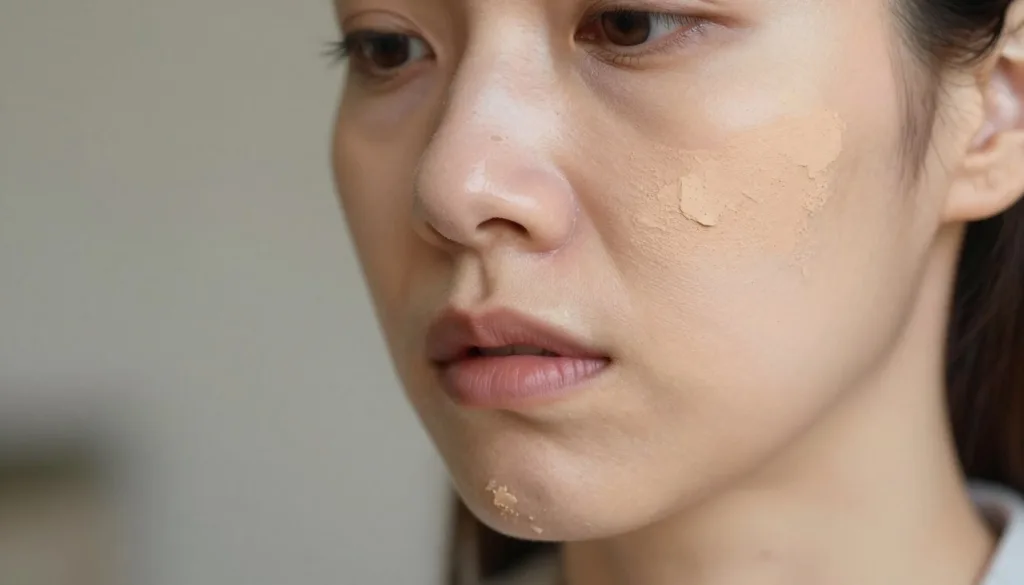
| Skin Type | Common Issue | Solution |
|---|---|---|
| Dry | Flakiness | Moisturize before makeup |
| Oily | Excess oil production | Use oil-control products |
| Combination | Balancing oil and dryness | Use products suitable for combination skin |
Improper Skin Preparation Techniques
Not getting your skin ready for makeup can cause separation. This includes not moisturizing, not priming, or not letting products soak in fully.
Ingredient Conflicts
Using products with conflicting ingredients can also cause separation. Make sure to check the ingredients in your skincare and makeup to avoid these problems.
Step-by-Step Solutions to Fix Makeup Separation
Stopping makeup from separating starts with the right skin prep and product choice. Knowing your skin type and using the right techniques can give you a flawless look that lasts.
Targeted Fixes for Dry Skin
Dry skin needs more moisture to avoid a cakey, separated look. Hydrating primers are key for a smooth base.
Hydrating Primers and Moisturizing Techniques
Hydrating primers keep moisture locked in. Apply a rich moisturizer first to hydrate your skin well.
Best Setting Products for Dry Skin
A setting spray keeps makeup in place all day. Choose a spray made for dry skin for extra moisture.
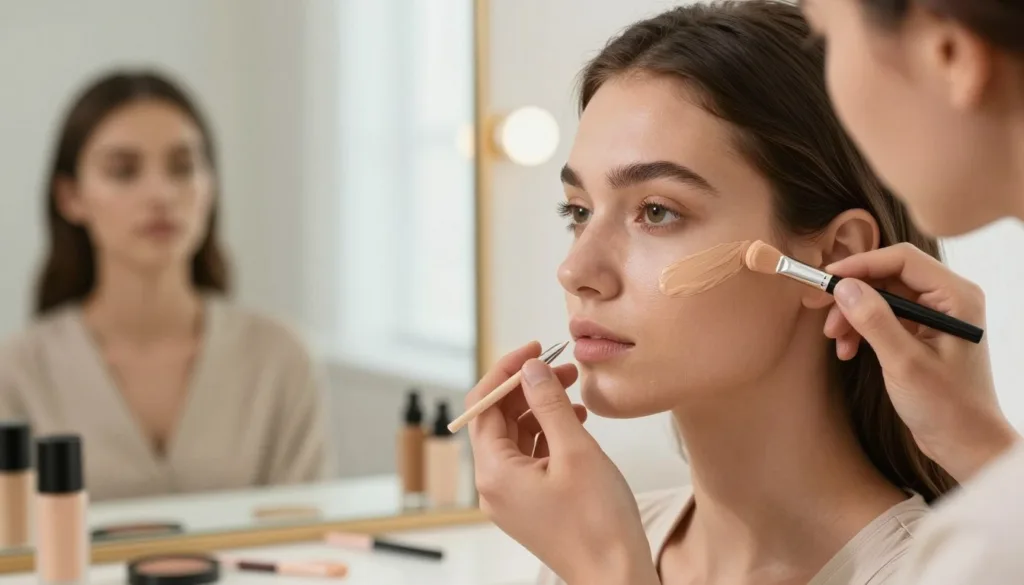
Effective Solutions for Oily Skin Types
Oily skin can be tough, but the right products can control shine and prevent separation. Oil-control primers are essential.
Oil-Control Primers and Application Methods
Apply an oil-control primer to reduce shine and pores. Use a gentle, oil-free moisturizer before priming.
Strategic Powder and Setting Spray Use
Set your makeup with a translucent powder, focusing on the T-zone. A setting spray extends your makeup’s wear.
Balancing Techniques for Combination Skin
Combination skin needs a balanced approach. Use products that work for both dry and oily areas.
Zone-Specific Product Application
Apply products zone-specifically. Use a hydrating primer on dry areas and an oil-control primer on oily ones.
Layering Products for Lasting Results
Layer your products carefully. Start with a lightweight moisturizer, then a primer, and finish with a setting spray.
Common Makeup Mistakes You Don’t Realize You’re Making
Even with the right products, technique is key. Avoid applying too much product at once.
Product Application Order Errors
Apply products in the right order: moisturizer, primer, foundation, and then setting powder or spray.
Touch-Up Techniques That Actually Work
For touch-ups, use blotting papers for oily skin and a hydrating mist for dry skin. This keeps your makeup looking good all day.
The Proper Role of Primers, Setting Powders, and Sprays
Primers, setting powders, and sprays are vital in preventing makeup separation. “A good primer is like a good foundation for your foundation.” As makeup artist Bobbi Brown once said,
“Primer is the unsung hero of makeup. It creates an even surface for your makeup to adhere to.”
Knowing how to use these products can greatly improve your makeup’s longevity and look.
Conclusion: Your Daily Checklist to Prevent Makeup Separation
To keep your makeup looking fresh, follow this simple checklist. Start by balancing your skin with proper hydration and the right products. This is key to preventing makeup separation.
Next, choose the right foundation for your skin tone and type. A well-matched foundation is essential for a flawless look. It also helps prevent makeup from separating. Always prepare your skin before applying makeup.
Using a primer can make your makeup last longer. Then, apply a setting spray to keep your makeup in place. These steps will help you achieve a smooth, even complexion.
By following these steps, you can stop makeup separating and enjoy a flawless look all day. Make these practices a part of your daily beauty routine. You’ll see a big difference in how your makeup stays in place.