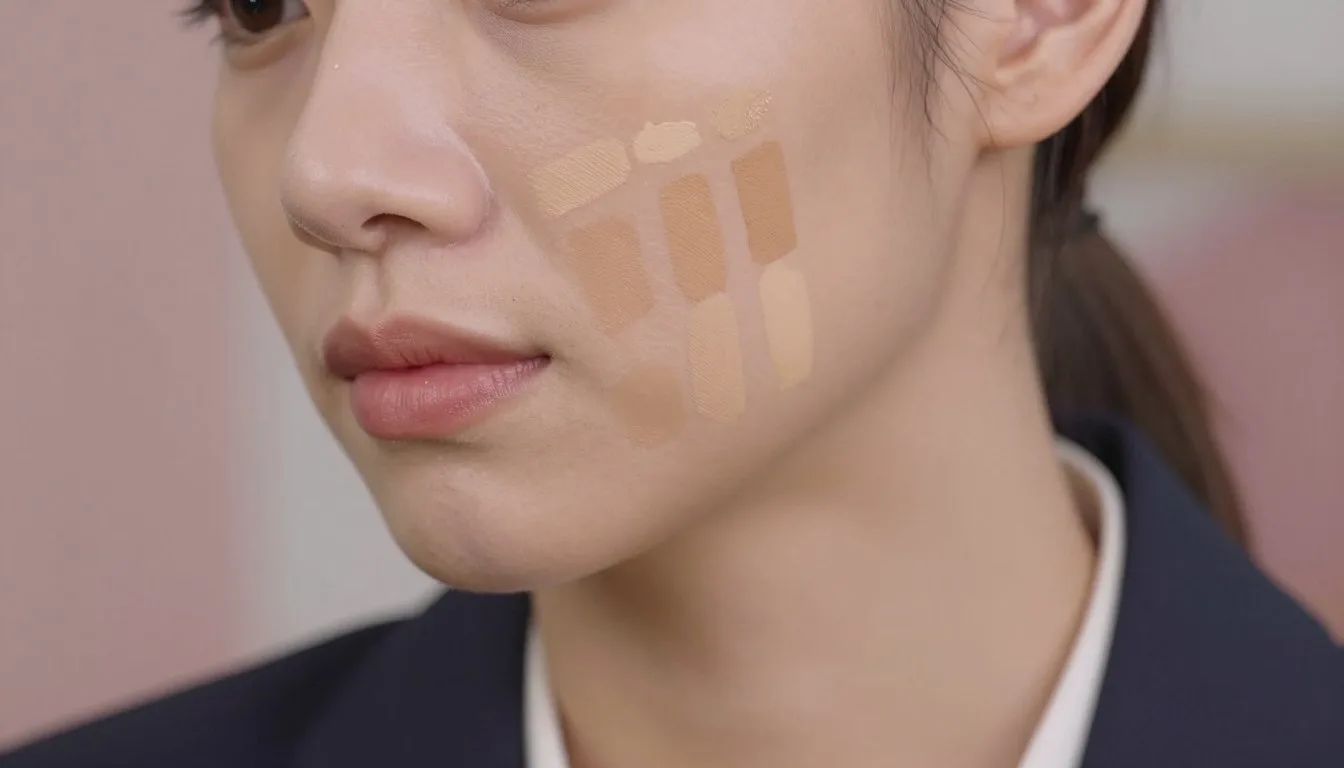
Finding the perfect foundation shade can feel like a guessing game. You stand in makeup aisles, trying different colors on your wrist. But, each swatch looks different under store lights versus outside.
Mismatched foundation can make your skin look harsh and mask-like. To succeed, you need a makeup matching method that looks natural.
There’s a secret to finding the right shade. It’s about knowing the difference between your surface color and true undertone. Your undertone can be cool, warm, or neutral, and it doesn’t change with a tan or redness.
Understanding this can prevent your makeup from looking ashy. A simple trick is to check your veins in natural sunlight.
This method ensures your skin looks flawless and glowing all year round. Mastering this skill boosts your confidence in your beauty routine.
Your skin deserves products that celebrate natural beauty and provide seamless finishes. Don’t settle for foundation shades that almost work. Instead, choose what truly enhances your beauty.
Key Takeaways
- Identify if your undertone is cool, warm, or neutral.
- Separate temporary surface redness from permanent undertones.
- Observe veins in natural light for better accuracy.
- Test possible matches on your jawline instead of your wrist.
- Ensure your pick looks natural in all lighting.
- Mastering makeup application requires patience and testing.
Understanding Foundation Matching Fundamentals
Before you start looking for foundations, it’s important to know the basics. The right foundation shade can make you look and feel great. The wrong one can be distracting.
Why Choosing the Correct Foundation Shade Matters
Finding the right foundation shade is key. It can make your makeup look natural and enhance your features. A wrong shade can highlight imperfections and ruin your look.
A correct foundation match can boost your confidence by giving you a flawless finish.
“The right foundation is the foundation of a great makeup look. It’s all about finding that perfect match that makes your skin look like, well, skin.”
The Difference Between Undertone and Surface Tone
Knowing the difference between undertone and surface tone is important. Your surface tone changes due to sun, seasons, or skin conditions. Your undertone is your skin’s natural color, which stays the same.
Undertones can be cool, warm, or neutral. Knowing your undertone helps find the right foundation.
| Undertone | Description | Characteristics |
|---|---|---|
| Cool | Pink or blue undertones | Looks best in blue-based foundations |
| Warm | Yellow or golden undertones | Suits yellow-based foundations |
| Neutral | Balance between cool and warm | Can pull off a wide range of foundation shades |
Identifying Your Undertone: Cool, Warm, or Neutral
There are simple tests to find your undertone at home.
Simple At-Home Undertone Tests You Can Do Right Now
- Wrist Vein Test: Check the color of your wrist veins. Blue or purple means cool. Green is neutral. Yellow or golden is warm.
- Jewelry Test: See how silver and gold jewelry looks on you. Silver makes cool skin glow. Gold suits warm skin. Neutral skin looks good with both.
After finding your undertone, you can choose the right foundation. Cool undertones need pink or blue foundations. Warm undertones need yellow or golden ones. Neutral undertones can try many shades.
Knowing your undertone is key to finding the perfect foundation. It helps you get a flawless, natural look.
How to Choose the Right Foundation Shade: A Step-by-Step Guide
Finding the right foundation shade doesn’t have to be hard. Just follow these simple steps. Understanding a few key factors will help you find the perfect match for your skin.
Step 1: Understand How Lighting Affects Foundation Matching
Lighting is key when matching foundation shades. Different lights can change how your foundation looks. Natural light shows the true color best. Artificial light can make colors look different.
Always test foundation in natural light if you can. If you’re in a store, find a spot near a window. Online, look for brands with shade-matching tools or consultations.
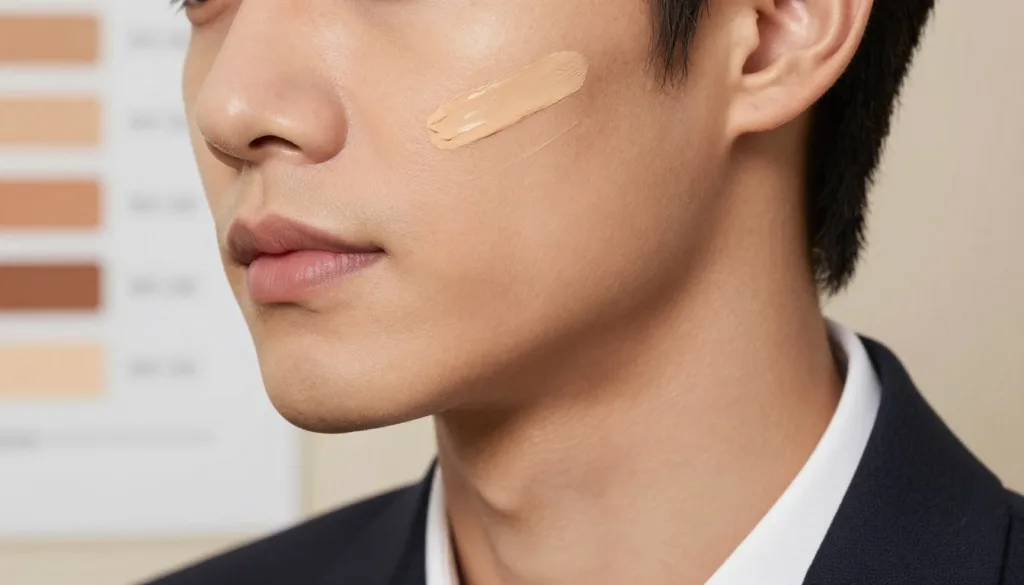
Step 2: Test Foundation on Your Jawline for the Most Accurate Match
Testing foundation on your jawline is a good idea. It shows how the foundation will look on your face and neck. Your jawline’s skin tone is usually close to your face’s overall tone.
Apply a small amount of foundation to your jawline and blend it well. Check how it looks in different lights. If it looks natural, it’s probably the right shade.
Step 3: Consider Your Skin Type When Selecting Foundation
Your skin type affects how foundation works on you. For oily skin, choose foundations that control oil or have a matte finish. For dry skin, look for hydrating or moisturizing foundations.
Knowing your skin type helps you pick a foundation that matches your tone and meets your skin’s needs.
Step 4: Account for Foundation Oxidation
Foundation oxidation happens when it reacts with your skin’s oils, changing color over time. This can make the foundation look darker or more orange than it did when you first applied it.
Why Foundation Looks Darker After Application
Foundation oxidation can darken it because of your skin’s natural oils. This is more common in foundations with certain ingredients that oxidize easily.
How to Test for Oxidation Before Buying
To test for oxidation, apply a small amount of foundation to your jawline and wait 10-15 minutes. See if the color changes a lot. If it darkens a lot, it might not be the best choice.
Step 5: Master In-Store and Online Foundation Shopping
Shopping for foundation in-store or online can be easy with the right strategies.
Best Practices for Testing Foundation in Store
When testing foundation in-store, clean your skin first. Use a mirror with good lighting. Don’t hesitate to ask for samples or help from beauty advisors.
How to Match Foundation Shade When Shopping Online
Online, use shade-matching tools or quizzes from brands. Some offer virtual try-on features. If you can, order samples before buying the full size to make sure it’s the right match.
Common Foundation Shade-Matching Mistakes to Avoid
Don’t test foundation on the wrong areas like your hand or wrist. Also, remember that your skin tone can change with the seasons. Knowing these mistakes helps you find a foundation that matches your skin tone well.
Conclusion: Your Complete Foundation Shade Selection Checklist
Now you know how to find the perfect foundation match. Choosing the right foundation color is key for a natural look.
Here’s a quick checklist to help you:
Find out if your skin is cool, warm, or neutral.
Test foundation shades on your jawline.
Think about your skin type and how it affects foundation wear.
Remember foundation can change color over time.
Shop in-store or online, using the tips provided.
By following these steps, you’ll find the perfect foundation. It will enhance your natural beauty.