
Did you know the average person sheds nearly 40,000 dead cells every minute? This constant renewal keeps us safe. But harsh weather can make it hard to keep our skin looking good.
Cold air and harsh soaps can strip your skin of its natural oils. Finding a good dry skin treatment is key to feeling comfortable again. You should have soft, vibrant skin, no matter the weather.
This guide will show you how to get your glow back with simple changes and targeted care. We’ll explore top ingredients for deep nourishment and lasting relief. You’ll also learn how to keep your skin from losing moisture in the future.
Staying hydrated is vital to protect your skin from the environment. By picking the right products, you can keep your skin soft all year. Let’s explore the best ways to support your skin’s health today.
Key Takeaways
- Identify external triggers like heaters and harsh cleansers that cause moisture loss.
- Use thick ointments or creams instead of thin lotions for better protection.
- Shorten your shower times and always use lukewarm water to save natural oils.
- Apply your chosen products while the surface is damp to lock in water.
- Add a humidifier to your bedroom to combat parched air during the night.
- Look for ingredients like hyaluronic acid and ceramides to strengthen your barrier.
Understanding Dry Skin: Causes and Symptoms
It’s important to know the causes and symptoms of dry skin to manage and treat it well. Dry skin, or xerosis, comes from many factors. These include environmental conditions, lifestyle choices, and health status.
Common Causes of Dry Skin
Dry skin can happen for several reasons. Harsh detergents and soaps can take away the skin’s natural oils, causing dryness. Environmental factors like cold weather, low humidity, and heat can also dry out the skin. Skin conditions like eczema or psoriasis can also cause dry skin.
“The skin’s natural barrier function is compromised when it loses moisture, making it more susceptible to dryness and irritation.”
Identifying Symptoms of Dry Skin
The signs of dry skin vary but often include cracked skin, itching, peeling, and redness. In severe cases, it can lead to infections.
Top Ingredients for Moisturizing Dry Skin
When fighting dry skin, the right ingredients are key. It’s not just about any lotion or cream. You need products with ingredients that lock in moisture and support the skin’s barrier.
Natural Oils: The Best Moisturizers
Natural oils are top choices for moisturizing dry skin. They fill in the skin’s lipid layer, cutting down on water loss and boosting hydration. Coconut oil, olive oil, and argan oil are some of the best. Coconut oil, for example, is packed with fatty acids that feed and shield the skin.
Hyaluronic Acid: A Hydration Booster
Hyaluronic acid is a strong humectant that can hold up to 1000 times its weight in water. It’s great for keeping the skin moist and plump. It also reduces fine lines and wrinkles. Adding hyaluronic acid products to your routine can greatly improve your skin’s look and feel.
Ceramides: Essential for Skin Barrier
Ceramides are vital lipids for the skin’s barrier. They fix and strengthen the skin’s natural barrier, stopping moisture loss and guarding against environmental harm. Using ceramide-rich products can make your skin healthier and more resilient.
Daily Skincare Routine for Dry Skin
Having a daily skincare routine is important for dry skin. It should include gentle cleansing, right exfoliation, and good moisturizing.
Choosing the Right Cleanser
Choosing the right cleanser is key for dry skin. Go for a gentle, non-foaming cleanser made for dry or sensitive skin. Make sure it’s fragrance-free and hypoallergenic to avoid irritation.
Look for these key ingredients in a cleanser for dry skin:
- Ceramides to repair the skin barrier
- Hyaluronic acid for moisture
- Glycerin to keep moisture in
Importance of Exfoliation
Exfoliation is vital for dry skin. It removes dead skin cells, boosts cell turnover, and improves texture. But, exfoliate gently to keep your skin’s natural oils.
Here are some tips for exfoliating dry skin:
- Exfoliate once or twice a week to avoid overdoing it
- Use a gentle exfoliant with alpha-hydroxy acids (AHAs) or beta-hydroxy acids (BHAs)
- Be gentle when applying the exfoliant
How to Properly Moisturize
Moisturizing is key for dry skin. It keeps moisture in and protects from the environment. Apply moisturizer right after cleansing and exfoliating, when your skin is damp.
Here are some effective moisturizing techniques:
| Technique | Description | Benefit |
|---|---|---|
| Apply moisturizer on damp skin | Locks in moisture | Enhances hydration |
| Use a thick, rich moisturizer | Gives intense moisture | Long-lasting hydration |
| Reapply moisturizer throughout the day | Keeps the skin’s moisture barrier | Continuous protection |
Best Home Remedies for Dry Skin
Struggling with dry skin? A few simple home remedies can help a lot. These natural solutions are easy to find and work well.
Oatmeal Baths: Soothing Relief
Oatmeal baths are great for dry, itchy skin. Oatmeal’s anti-inflammatory and soothing effects give quick relief. You can use colloidal oatmeal or add a cup of rolled oats to your bathwater.
Benefits of Oatmeal Baths:
- Reduces itching and irritation
- Soothes dry skin
- Can help with conditions like eczema
Honey and Yogurt Face Mask
A honey and yogurt face mask is very nourishing for dry skin. Honey keeps moisture in, and yogurt gently exfoliates with lactic acid.
To make this mask, mix equal parts honey and yogurt. Apply it to your face. Leave it on for 15-20 minutes before rinsing with warm water.
Coconut Oil: Nature’s Moisturizer
Coconut oil is known for its moisturizing benefits. It’s full of fatty acids, like lauric acid, which fixes the skin’s barrier.
Using Coconut Oil:
| Benefit | Description |
|---|---|
| Moisturizing | Provides long-lasting hydration |
| Anti-inflammatory | Helps reduce redness and irritation |
| Antibacterial | Protects against infections |

These home remedies are a natural and effective way to fight dry skin. Adding them to your skincare routine can lead to healthier, more hydrated skin.
Dietary Tips to Combat Dry Skin
Your diet is key to keeping your skin healthy and hydrated. Eating the right foods can help fight dry skin. Foods rich in essential fatty acids, vitamins, and water are great for your skin.
Omega-3 Fatty Acids: Why They Matter
Omega-3 fatty acids are vital for skin health. They reduce inflammation and help skin cells grow. You can find omega-3s in salmon and sardines, as well as flaxseeds and walnuts.
Eating these foods can nourish your skin. This makes your skin softer and more hydrated.
Staying Hydrated: Water’s Role
Drinking enough water is key for skin health. Water keeps your skin hydrated and improves its texture. Aim to drink eight glasses of water a day for hydrated skin.
Drinking water and eating hydrating foods like watermelon and cucumbers also helps.
Vitamins That Promote Skin Health
Some vitamins are great for your skin. Vitamin E, found in nuts and seeds, protects your skin. Vitamin C, in citrus fruits and berries, boosts collagen and improves skin texture.
| Nutrient | Benefit | Food Sources |
|---|---|---|
| Omega-3 Fatty Acids | Reduces inflammation, promotes healthy skin cell growth | Salmon, sardines, flaxseeds, walnuts |
| Vitamin E | Protects skin from damage | Nuts, seeds |
| Vitamin C | Essential for collagen production, improves skin texture | Citrus fruits, berries |
By changing your diet and staying consistent, you can greatly improve your skin’s health and look.
Seasonal Tips for Managing Dry Skin
Managing dry skin means changing your skincare routine with the seasons. As the weather changes, so do the challenges your skin faces. It’s key to adjust your skincare to match these changes.
Winter Care Strategies
In winter, the cold, dry air takes away your skin’s moisture, making it drier. To fight this, use a humidifier indoors to add moisture back. Also, switch to a thicker, more emollient moisturizer to lock in moisture and protect your skin from harsh winds and cold.
Exfoliation is important in winter, but be gentle. Over-exfoliating can make your skin even drier. Limit exfoliation to once a week and use a gentle exfoliant that won’t strip your skin of its natural oils.
Summer Skin Challenges
Summer brings its own set of challenges for dry skin, like increased sun exposure and humidity. While it might seem counterintuitive, sun exposure can dry out your skin. So, using a broad-spectrum sunscreen with at least SPF 30 is key. Choose lightweight, oil-free moisturizers that won’t clog pores but will hydrate.
Another summer challenge is dehydration due to heat and humidity. Staying hydrated by drinking plenty of water is vital. Also, consider using products with hyaluronic acid, which helps retain moisture in your skin.
When to See a Dermatologist
Dry skin can be more than just a nuisance; sometimes it’s a sign of an underlying issue that needs medical attention. While many cases of dry skin can be managed with self-care and over-the-counter products, there are instances where professional help is necessary.
Signs You Need Professional Help
If you notice any of the following symptoms, it may be time to consult a dermatologist:
- Persistent dryness despite using moisturizers regularly
- Open sores or cracks in the skin
- Intense itching or redness
- Skin thickening or scaling
Possible Underlying Conditions
Dry skin can sometimes be a symptom of an underlying condition. Some of these conditions include eczema, psoriasis, or thyroid disorders. A dermatologist can help diagnose the root cause of your dry skin.
| Condition | Symptoms | Treatment |
|---|---|---|
| Eczema | Itchy, inflamed skin, redness | Topical corticosteroids, moisturizers |
| Psoriasis | Thick, scaly patches, redness | Topical treatments, light therapy |
| Thyroid Disorders | Dry skin, hair loss, fatigue | Medication, lifestyle changes |
It’s essential to be aware of the signs that indicate a need for professional help. By understanding these signs and possible underlying conditions, you can take the necessary steps to address your dry skin effectively.
Popular Over-the-Counter Products
Many over-the-counter products can help with dry skin. You can find moisturizers, creams, and lotions designed to fight dryness and improve skin health.
Skincare experts say, “The right moisturizer can make a big difference in managing dry skin.” Look for products with hyaluronic acid, ceramides, and natural oils.
Best Moisturizers for Dry Skin
The best moisturizers for dry skin offer long-lasting hydration and repair the skin’s barrier. Look for hyaluronic acid in products. It can hold up to 1000 times its weight in water, making it great for keeping moisture in.
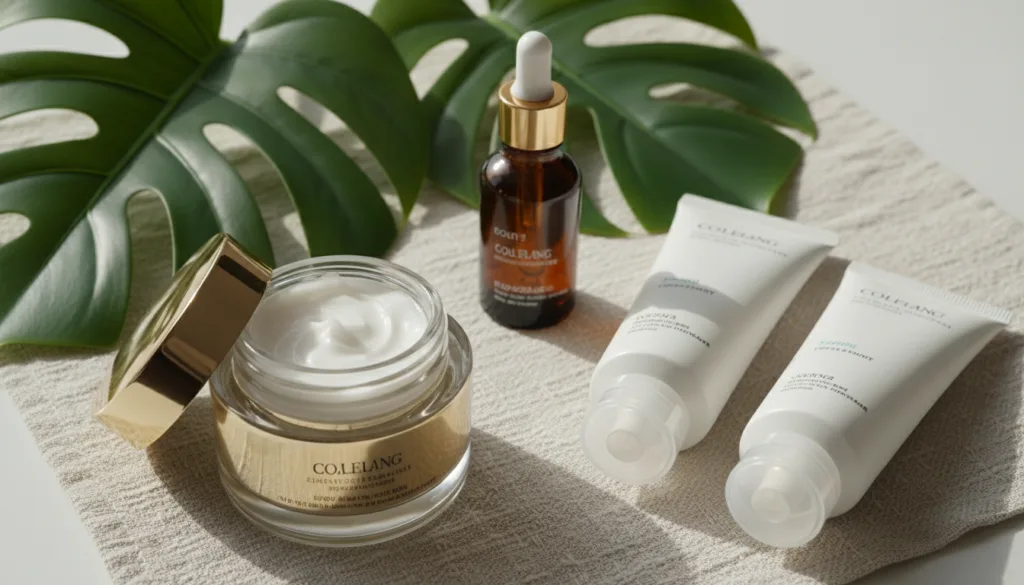
Top moisturizers include those with ceramides to restore the skin’s barrier. CeraVe Moisturizing Cream and Eucerin Advanced Repair Cream are favorites among dermatologists and users.
Recommended Creams and Lotions
Creams and lotions are also key in dry skin care. Creams are thicker and more emollient, giving extra protection against dryness.
Some recommended creams and lotions include:
- Cetaphil Moisturizing Cream, known for its rich and non-greasy formula.
- Aquaphor Healing Ointment, which provides long-lasting hydration and protects dry skin.
- Neutrogena Hydro Boost Water Gel, a lightweight lotion that offers intense hydration.
When picking a cream or lotion, think about your skin type and needs. For very dry skin, a richer cream might be better. A lighter lotion is good for everyday use.
Dr. Joshua Zeichner says, “The right mix of ingredients in a moisturizer or cream can greatly improve dry skin conditions.”
Lifestyle Changes for Healthier Skin
Making a few simple changes in your daily life can greatly improve your skin’s health and look. Your habits and surroundings are key to keeping your skin healthy. A few tweaks can make a big difference.
Importance of a Humidifier
Using a humidifier can be a big help for dry skin. Dry air, common in winter or air-conditioned spaces, can dry out your skin. A humidifier keeps the air moist, which keeps your skin hydrated and soft.
Dermatologists suggest keeping indoor humidity between 30-50% for better skin health. A humidifier is very helpful in dry places, preventing dry, irritated skin.
How Stress Affects Your Skin
Stress can really hurt your skin’s health. When stressed, your body makes more cortisol, which can cause more oil and acne. Stress also weakens your skin’s barrier, making it dry and irritated.
“Stress can trigger or worsen skin issues, making stress management an essential part of any skincare routine.”
Managing stress with meditation, yoga, or deep breathing can help your skin. Regular exercise and enough sleep are also key for healthy, strong skin.
| Lifestyle Change | Benefit to Skin Health |
|---|---|
| Using a Humidifier | Maintains skin moisture, reduces dryness |
| Managing Stress | Reduces cortisol levels, minimizes skin issues |
| Staying Hydrated | Flushes toxins, keeps skin hydrated |
By making these lifestyle changes, you can actively work towards healthier, more resilient skin. It’s about making choices that support your skin’s health. This includes the environment at home and how you manage stress every day.
Quick Fixes for Immediate Relief
When dry skin hits, you need a fast fix. There are many quick solutions to soothe it right away. Dry skin can be itchy and look bad, but the right treatments can make it better fast.
For quick hydration, try DIY masks. They’re easy to make and use natural ingredients good for your skin.
DIY Masks for Instant Hydration
Here are a few easy DIY mask recipes for quick hydration:
- Honey and Yogurt Mask: Mix equal parts honey and yogurt. Apply to your face for 15-20 minutes, then rinse with warm water.
- Avocado Mask: Mash a ripe avocado and mix with olive oil. Apply and leave on for 20 minutes.
- Cucumber and Aloe Vera Mask: Blend cucumber and aloe vera gel. Apply to your face for a cooling, hydrating effect.
Overnight Treatments for Dry Skin
Overnight treatments are great for dry skin. They give your skin a deep hydration boost while you sleep. This makes your skin softer and more supple when you wake up.
Some good overnight treatments are:
- Coconut Oil Treatment: Apply coconut oil generously before bed. It keeps moisture in and nourishes dry skin.
- Shea Butter Treatment: Use shea butter as an overnight moisturizer. It’s full of vitamins and fatty acids that fix dry skin.
- Overnight Moisturizing Masks: Find masks made for overnight use. They’re made to keep your skin hydrated all night.
Adding these quick fixes to your skincare routine can give you quick relief from dry skin. They help keep your skin healthy and hydrated over time.
Debunking Myths About Dry Skin
Understanding dry skin means knowing what’s true and what’s not. Many people deal with dry skin, and there’s a lot of confusion. Let’s clear up some common myths and separate fact from fiction.
Common Misconceptions
There are many myths about dry skin. This confusion makes it hard to know how to manage it. Here are a few common misconceptions:
- Dry skin is just a cosmetic issue.
- You can “cure” dry skin by drinking more water.
- Only older adults get dry skin.
Facts vs. Fiction
Let’s look at some facts and fiction about treating dry skin.
Some treatments are supported by science:
- Using moisturizers with hyaluronic acid or ceramides helps keep moisture in.
- Staying away from harsh soaps and cleansers can help prevent dryness.
But some treatments don’t work as well as people think:
- Hot water can take away the skin’s natural oils, making it drier.
- Exfoliating too much can hurt the skin’s barrier.
| Myth | Fact |
|---|---|
| Dry skin is only a cosmetic issue. | Dry skin can mean there’s a health problem. |
| Drinking more water cures dry skin. | You need topical treatments, not just water. |
| Only older adults get dry skin. | Dry skin can happen to anyone. |
Knowing the truth about dry skin helps you manage and treat it better.
Embracing Long-term Skincare Habits
For healthy, hydrated skin, a long-term skincare approach is key. You’ve learned many ways to fight dry skin. This includes knowing its causes, using home remedies, and making dietary changes.
Consistency is Key
Consistency is vital in skincare. Keeping up with your routine, even when you see results, is important. Using products right for your skin helps keep it healthy and strong.
Building a Personalized Skincare Routine
Creating a skincare routine that fits you is essential. Choose products with hyaluronic acid, ceramides, and natural oils. This way, you meet your skin’s needs, leading to a brighter, healthier look over time.