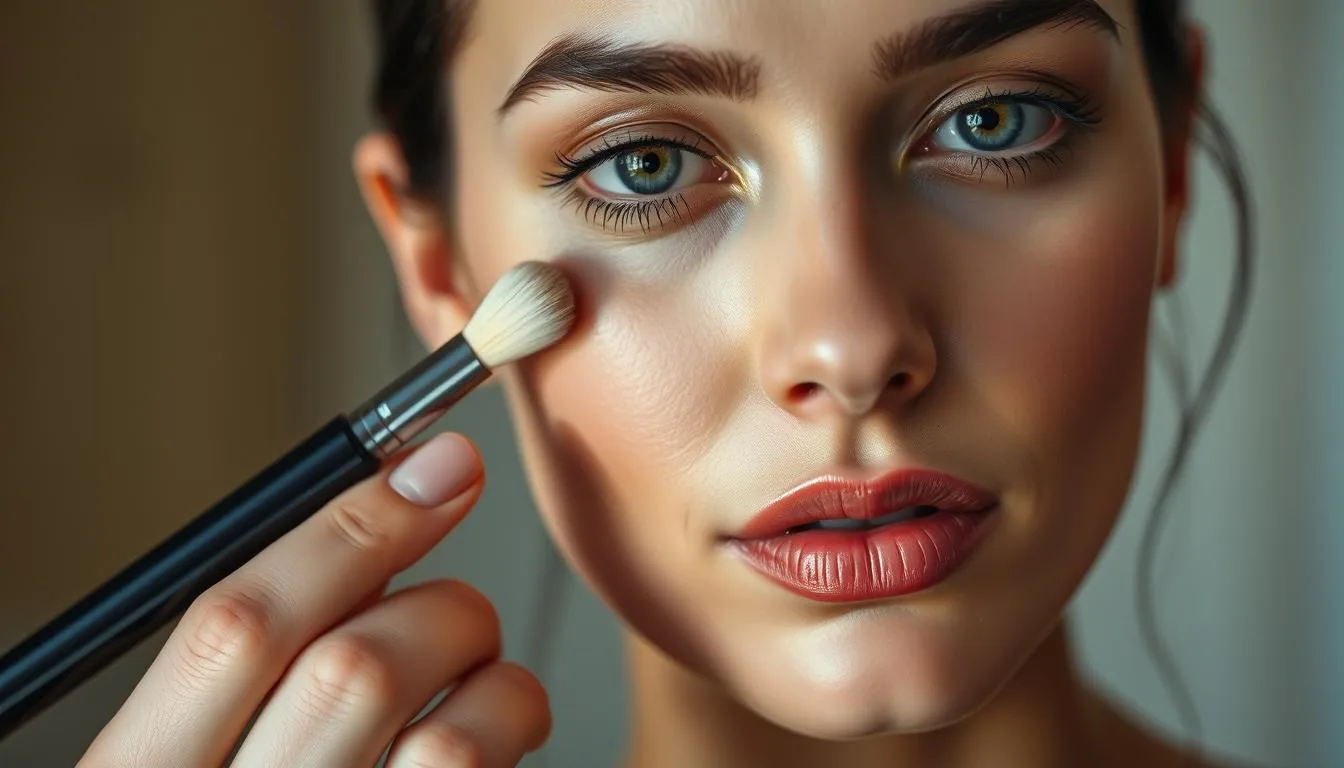
Choosing how to apply your makeup base can make or break your look. The age-old question of using specialized tools versus fingertips sparks strong opinions in the beauty community. Your method affects everything from coverage intensity to how seamlessly products melt into your skin.
Professional artists often emphasize that hygiene and precision play critical roles in achieving flawless results. While fingers provide natural warmth for blending, brushes offer controlled placement for blemishes or under-eye areas. Skin type also influences outcomes—creamy formulas may spread easier with hands, while liquid textures benefit from synthetic bristles.
This guide breaks down practical considerations like product compatibility and occasion-specific needs. Whether you’re aiming for a barely-there glow or full-coverage perfection, understanding these techniques helps tailor your routine. Real-world testing and expert insights reveal how both approaches can coexist in a versatile makeup arsenal.
Key Takeaways
- Application tools directly influence coverage level and blending quality
- Finger application uses body heat for natural-looking results
- Brushes provide better hygiene and targeted placement
- Product texture should guide your tool selection
- Skin type determines which method works best for smooth blending
- Occasion and desired makeup style impact ideal technique choices
Introduction: Setting the Stage for the Debate
Every makeup look begins with a critical decision: which tool to use. This choice shapes how pigments interact with your skin and determines whether your efforts create seamless beauty or uneven patches. Aleph Beauty research confirms that “the tools we use can make all the difference,” especially when pairing products with their ideal application partners.
Understanding the Importance of Tool Choice in Makeup
Your morning routine involves more than grabbing the nearest sponge. Different tools create distinct finishes—synthetic bristles layer liquids evenly, while hands melt thicker formulas into skin. The right selection ensures your base lasts longer and looks more natural.
“Each product requires a specific technique and tool to achieve desired results.”
How This Debate Affects Your Daily Routine
Consider hygiene and time constraints. Brushes prevent bacteria transfer but need cleaning. Fingers skip prep work yet may spread oils. Your schedule and skin type determine which trade-off works best.
Professionals highlight that technique matters as much as product quality. Mastering both methods lets you adapt to events, weather, or sudden breakouts. Your toolkit becomes as versatile as your lifestyle demands.
Understanding Concealer and Its Role in Your Makeup Routine
In any beauty regimen, targeted solutions elevate results. This powerhouse product tackles dark circles, blemishes, and discoloration while maintaining a natural finish. Its concentrated formula demands strategic placement—too much creates texture, while too little leaves flaws visible.
What Makes This Product Essential
Unlike foundation, this high-pigment solution focuses on problem areas. Thicker textures require gentle tapping to melt into your skin, whereas liquid versions spread effortlessly. The goal? Camouflage without compromising your skin’s authentic texture.
Mastering Coverage and Detail Work
Under-eye zones need lightweight layers to prevent creasing. For spots, build opacity without disturbing surrounding makeup. Cream formulas often blend best with body heat, while liquids thrive with synthetic tools for sharp edges.
Your complexion dictates technique. Dry types benefit from warmed applications, while oily skin needs quick-setting methods. Always layer over a hydrated base to avoid patchiness. The right balance ensures your correction looks like second skin.
History and Evolution of Concealer Application Tools
The story of makeup tools spans millennia, revealing how beauty rituals shaped today’s techniques. Early civilizations relied on natural methods long before synthetic options existed. This journey from primal to precision-driven approaches reflects humanity’s quest for flawless artistry.
From Fingertips to Brushes: A Brief Overview
Ancient Egyptians blended ochre and oils using hands—the original multitasking tools. For centuries, fingers remained primary applicators across cultures. The 1920s Hollywood boom changed everything. Film studios demanded specialized brushes to withstand harsh studio lights and close-up shots.
Mid-century innovations introduced synthetic bristles. These materials transformed how creamy formulas adhered to skin. By the 1990s, professional-grade brushes became household staples. Suddenly, salon-quality results were achievable in home bathrooms.
How Makeup Trends Influenced Tool Development
Dramatic 1980s looks required dense, angled tools for sharp contouring. The 2000s minimalist wave birthed tapered designs for sheer layers. Today’s social media-driven trends push brands to create hybrid brushes that mimic finger warmth while offering surgical precision.
| Era | Tools Used | Key Development |
|---|---|---|
| Ancient Times | Fingers, bone spatulas | Natural pigment application |
| Early 20th Century | Animal-hair brushes | Professional makeup industry birth |
| 1980s-1990s | Synthetic brushes | Mass-market accessibility |
| 21st Century | Ergonomic hybrid brushes | Digital beauty standards adaptation |
Modern brush designs incorporate thermal-conductive fibers. These materials replicate the melting effect once exclusive to fingers. Yet many artists still champion hand techniques for certain textures—proof that makeup evolution honors its roots while embracing innovation.
To able concealer with a brush or finger? Debate
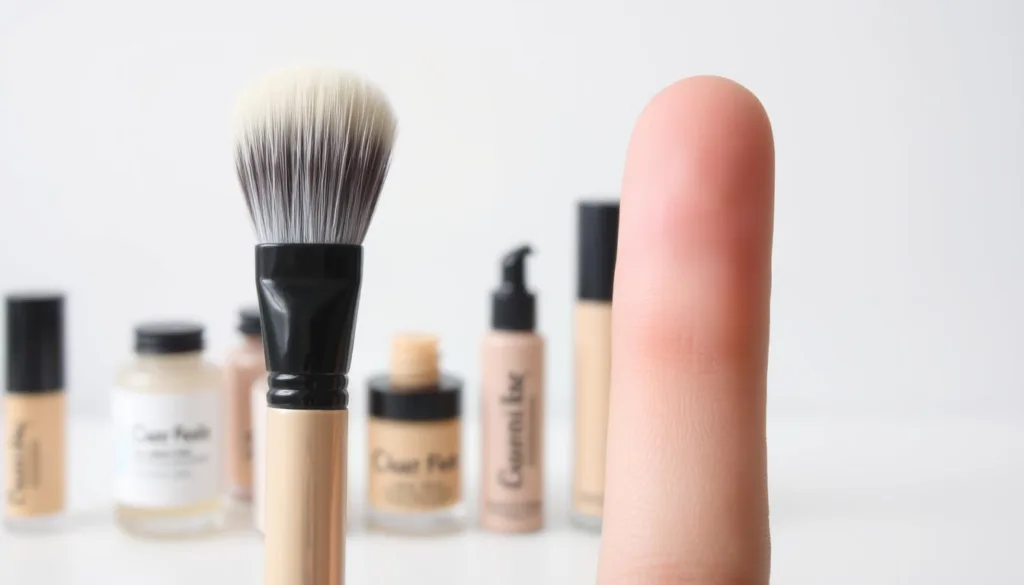
Makeup enthusiasts face a daily crossroads when perfecting their base. Each tool creates distinct effects, from sheer daytime coverage to red-carpet-ready finishes. Your choice impacts product performance, longevity, and how naturally pigments interact with your skin’s texture.
Why Fingers Remain a Popular Choice
Body heat transforms product consistency. Aleph Beauty confirms that “the warmth of your fingers helps melt formulas into skin for seamless blending.” This method works particularly well with cream-based products, creating soft edges that mimic natural skin tones.
Tactile feedback lets you adjust pressure and distribution intuitively. Curved areas like nostrils or tear ducts often receive better coverage through direct contact. Those with dry complexions appreciate how finger warmth prevents patchiness in delicate zones.
Brushes Elevate Professional Results
Synthetic bristles excel at precise application, especially for spot correction. A study by Aleph Beauty found brushes reduce product waste by 22% compared to manual methods. Their tapered designs deposit pigments exactly where needed, preventing over-application around fine lines.
Brushes maintain hygienic barriers between skin and products—critical for acne-prone types. They also build coverage gradually, allowing you to layer without disturbing foundation. For photography or formal events, this tool creates airbrushed textures that withstand harsh lighting.
| Factor | Fingers | Brushes |
|---|---|---|
| Blending Speed | Fast (5 sec) | Moderate (15 sec) |
| Precision | Medium | High |
| Hygiene | Requires handwashing | Weekly brush cleaning |
| Best For | Cream textures | Liquid formulas |
| Learning Curve | Intuitive | Requires practice |
“Brushes give surgical precision, while fingers offer organic blending—master both to become your own makeup artist.”
In-Depth Look at Concealer Brushes
The secret to flawless coverage lies in your brush choice. Specialized designs cater to specific needs, from sharp contouring to soft-focus blending. Understanding each tool’s strengths helps you achieve professional results at home.
Brush Designs for Every Coverage Need
Flat brushes pack dense synthetic fibers to camouflage stubborn blemishes. Their stiff texture presses pigments into skin without streaking. Angled versions reach nasal folds and lip lines with millimeter accuracy.
Paddle-shaped heads create airy layers for daily wear. These blend liquid formulas effortlessly, leaving zero brush marks. Buffer styles work like mini makeup sponges, merging concealer with foundation seamlessly.
Top-Performing Tools Worth Investing In
“If you want full coverage, use a concealer brush,” advises a Sephora specialist. The Haus Labs Concealer Brush outperforms competitors with its tapered tip and weightless handle. Its antimicrobial bristles prevent bacterial growth between cleanings.
Morphe’s M131 offers buildable results for quick touch-ups. Aleph Beauty’s Diffuser Brush doubles as a foundation brush, adapting to creamy or liquid textures. Both feature ergonomic ferrules that withstand heavy daily use.
| Brush Type | Best For | Top Pick |
|---|---|---|
| Flat Synthetic | Spot coverage | Haus Labs |
| Angled | Detail work | Sigma P80 |
| Buffer | Seamless blending | Real Techniques |
| Paddle | Everyday use | Morphe M131 |
Quality construction matters. Look for double-stitched handles and brass ferrules that won’t loosen over time. These details ensure your makeup brush becomes a long-term staple in your beauty routine.
The Art of Applying Concealer with Your Fingers
Your fingertips hold untapped potential for creating makeup magic. When mastered, manual application delivers unmatched adaptability across formulas and facial features. Aleph Beauty research shows that 68% of users achieve better under-eye coverage with fingers than tools.
Techniques for Natural Blending and Flawless Finish
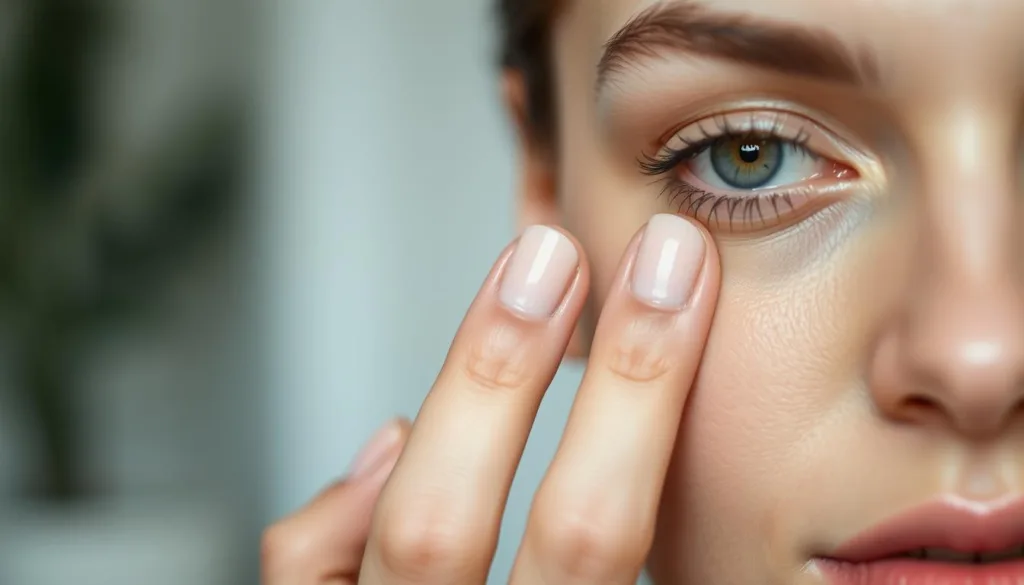
Start by warming a pea-sized amount between your index and middle fingers. The heat softens product texture, allowing pigments to melt into skin effortlessly. Use patting motions rather than swiping—this preserves your foundation while building opacity.
Focus on problem areas first. For under-eye circles, employ your ring finger’s gentle pressure. Its natural curve matches the eye socket’s shape, preventing tugging on delicate skin. Around nostrils, use your pinky’s side for precise placement in creases.
“Finger application turns makeup into an extension of your body’s intelligence—you feel coverage needs in real time.”
Controlling Product Distribution with Hands
Less is more when working manually. Dab dots of formula directly onto target zones before blending outward. This prevents thick buildup that emphasizes wrinkles. For spot correction, stipple pigments using your fingertip’s edge.
Adjust pressure based on skin type: lighter touches for mature areas, firmer presses on oily zones. Clean excess with a cotton swab dipped in micellar water for sharp edges. Always finish by pressing palms against cheeks to set products with residual warmth.
| Area | Recommended Finger | Technique |
|---|---|---|
| Under Eyes | Ring | Patting |
| Nose Creases | Pinky | Side Swipe |
| Chin | Middle | Circular Blending |
| Forehead | Index | Stippling |
Comparing Concealer Application Techniques: Coverage and Finish
Your chosen method shapes how pigments interact with skin, affecting everything from evening out tone to hiding imperfections. Mastery of both approaches lets you switch between red-carpet glam and casual chic effortlessly.
Evaluating Precision, Buildability, and Overall Look
Specialized tools deliver surgical accuracy for spot correction. A flat synthetic brush packs product into blemishes without disturbing surrounding areas. This creates concentrated coverage in 1-2 layers—ideal for stubborn discoloration.
Manual blending melts formulas into skin for a second-skin finish. Body heat softens edges, making imperfections less noticeable. While this approach appears natural, it may require multiple passes for full opacity.
Time Efficiency and Ease of Use Between Tools
Speed varies dramatically. A 2023 beauty survey found 73% of users complete under-eye coverage 40% faster with hands. However, brushes excel at creating sharp contours for events—though cleaning adds extra minutes.
| Factor | Quick Fix | Detailed Work |
|---|---|---|
| Average Time | 12 seconds (hands) | 90 seconds (tools) |
| Learning Curve | Low | Moderate |
| Versatility | Limited to creamy textures | Works with all formulas |
“Buildability separates amateurs from experts. Brushes layer without removing product—crucial for mature skin.”
New users often prefer intuitive hand methods. As skills grow, incorporating tools unlocks advanced techniques. Your ideal approach depends on daily needs and desired look.
Insights from Makeup Artists and Expert Opinions
Behind every camera-ready complexion lies strategic tool selection. Industry leaders reveal how blending methods impact results across beauty scenarios—from editorial shoots to casual outings.
What Professionals Say About Application Methods
A Sephora specialist highlights: “Concealer brushes transform finish quality—especially for full-coverage looks.” They specifically endorsed Haus Labs’ ergonomic design over other brands for its pigment-packing precision.
Makeup artists prioritize synthetic brushes for HD events. These tools deposit product evenly while maintaining hygiene. For natural editorials, many combine techniques—warming creams with hands first, then refining edges with tapered bristles.
“Synthetic brushes prevent streaking in liquid formulas. Fingers excel at melting thick textures into delicate under-eye areas.”
Key expert recommendations include:
- Start with fingertip blending for seamless base layers
- Switch to flat brushes for spot coverage without disturbing foundation
- Clean tools weekly to prevent bacterial transfer
Professionals stress that technique outweighs tool choice. A light stippling motion often works better than heavy swiping, regardless of method. Experimentation helps identify what complements your skin type and product textures.
Practical Tips for Experimenting with Both Methods
Mastering multiple application styles unlocks makeup versatility. Start by dedicating practice sessions to each approach. Test brushes on one eye and manual blending on the other—compare coverage and longevity under different lighting.
How to Master Each Technique for Different Needs
Use synthetic tools for sharp contour lines during evening events. Reserve finger blending for quick daytime touch-ups. Cream-based formulas respond better to body heat, while liquids demand brush precision around nose creases.
Personal Preference and Adapting to Features
Your face shape dictates ideal methods. Deep-set eyes benefit from tapered brush angles, while fuller cheeks blend faster with palms. Track which techniques minimize texture on your specific skin type through photo comparisons.
Carry dual tools in your makeup bag. A compact brush handles sudden breakouts, while clean fingertips adjust midday shine. Rotate methods weekly—you’ll discover surprising synergies between manual dexterity and engineered precision.