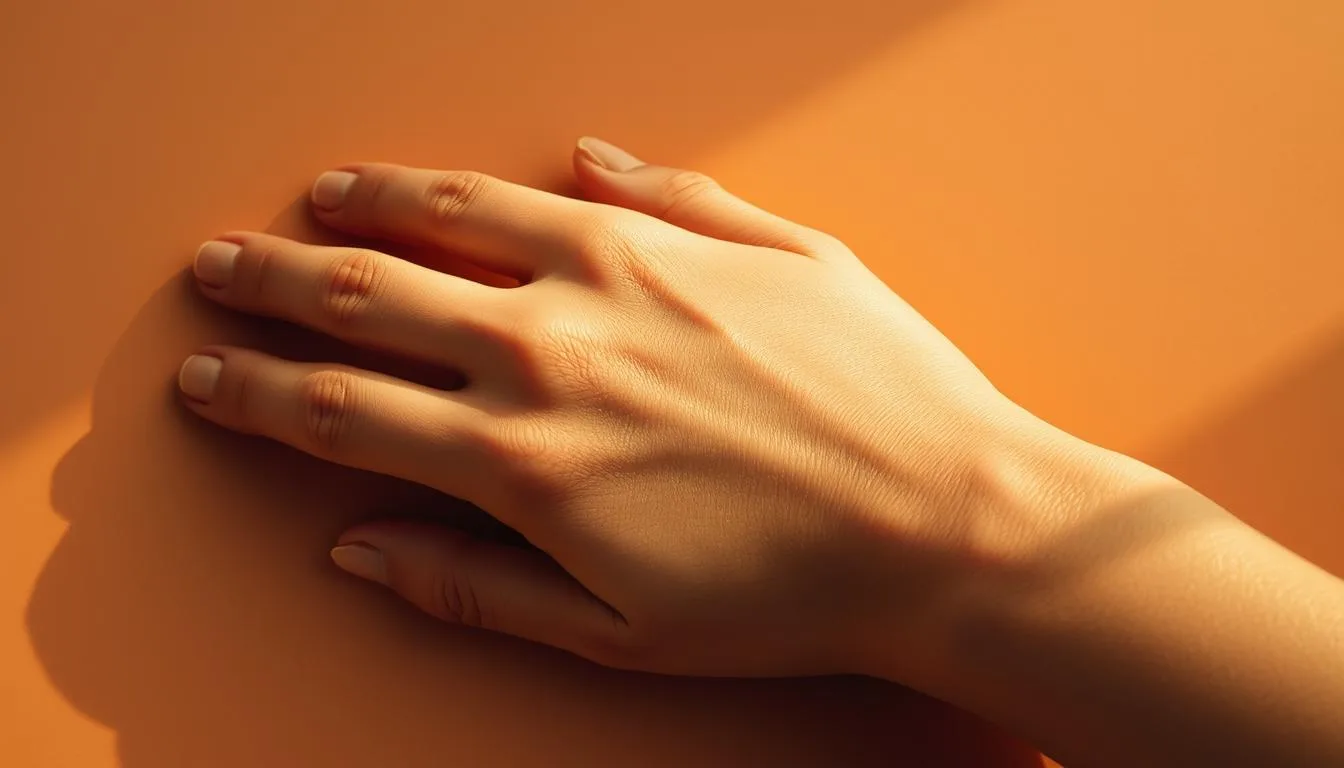
Have you ever wondered why some foundations seem to disappear while others stand out? Finding your undertone is the key to choosing colors and base products that make you look refreshed and natural.
Undertones differ from surface color and stay constant year-round. Simple at-home checks — a white paper test, vein observation in natural light, and jewelry trials — can point you in the right direction. Professional swatching at stores like Ulta or Clinique can confirm your result.
You’ll learn how undertones guide makeup, clothing near your face, and which metals flatter you most. Use these steps to compare swatches and pick the shade that truly blends, not masks, so your everyday look feels polished.
Key Takeaways
- Undertones stay constant: they matter more than surface changes.
- Do simple at-home tests before you shop to narrow choices.
- Match foundations by the one that “disappears” on your jawline.
- Undertones influence clothing colors and metal choices.
- Neutral and olive variations need gentle adjustments, not drastic swaps.
Why undertones matter for your natural beauty and color choices
Knowing your undertone helps every color look intentional instead of accidental. Your undertones shape how clothes, lipstick, and foundation register against your face. This small detail can lift your overall natural beauty and make choices feel easier.
Undertones fall into a few broad groups: peachy/golden, pink/blue, balanced neutrals, and olive with a green cast. They stay steady even as your surface tone changes with sun exposure, skincare, or temporary redness.
- Colors register differently: an undertone can make a hue pop or look washed out.
- Foundation matching: the right base prevents dull, sallow, or gray casts.
- Save time and money: filter makeup and wardrobe choices by undertone before you buy.
- Consistent results: undertones remain stable across seasons, so your palette stays reliable.
- Accessories and hair: use undertone cues to pick metals and dye shades that brighten your features.
Think of undertones as helpful rules, not limits. Once you use them as a guide, your selections in clothing and makeup will reinforce your natural look and overall beauty.
Skin tone vs. skin undertone: what you’re really looking at
What you see on the surface can shift, but the hue underneath stays steady. Surface skin color reacts to sun exposure, redness, and blemishes. That visible shade can darken, flush, or peel away with changes in weather and activity.
Undertone is the steady actor behind those changes. It describes the underlying hue that doesn’t change with a summer tan or a sunburn. Even fair complexions may carry a warm undertone, and deeper complexions can have a cool undertone.
How to use this in testing
- Focus on your jawline in natural light when you test products to avoid areas affected by tanning or redness.
- Remember olive is a neutral-warm mix with a subtle green cast; mismatched yellow bases can make it look ashen or gray.
- Read label shorthand—golden, honey, rosy, neutral—as cue for undertone, not depth of shade.
| Feature | Surface | Undertone |
|---|---|---|
| Changes with sun exposure | Yes — tans or burns | No — remains constant |
| Testing spot | Cheeks can be misleading | Jawline in natural light |
| Label language | Shade depth (light, medium, deep) | Descriptors like golden, rosy, neutral |
Warm or cool tone skin: quick at-home tests that work
A few simple steps done in natural light make it easier to read subtle cues about your undertones. Set up near a window or step outside so bulbs do not change how colors appear.
Natural light first: set up your space
Stand facing the light and remove makeup around your jawline. Natural light improves accuracy and reduces false readings from indoor bulbs.
The vein test: blue/purple, green, or a mix
Check the veins on your wrist. If they read blue purple you likely have a cool undertone; green-leaning veins point to warm undertones. A mix suggests neutral undertones.
White tee or paper test: bright white vs. off-white
Hold a bright white tee or sheet to your face. A rosy or bluish cast signals cool undertone, a yellow or golden cast signals warm undertones, and a balanced look leans neutral.
The jewelry test: silver, gold, or both
Put silver and gold jewelry near your face. Silver usually flatters a cool undertone; traditional gold jewelry favors warm or olive. If both look good, you may be neutral.
- Cross-check: repeat tests at another time of day.
- Use results: guide foundation swatches before you buy.
- Note: none of these checks is perfect—confirm with store swatches if unsure.
Cross-check cues: hair color, eye color, and sun response
Small clues from your hair, eyes, and how you react to sun can confirm the undertone picture. Use these signs as supporting evidence, not the final verdict.
Hair and eye patterns that hint at underlying undertones
Scan your natural hair color for golden, red, or ashy hints. Ashy or muted strands often align with cool undertones, while golden or reddish highlights tend to point to warm undertones.
Check your eye color next. Blue, gray, or green eyes often correlate with cool undertones. Brown, amber, or warm hazel eyes more commonly pair with warm undertones. Exceptions are common, so treat these as clues.
Sun behavior: do you tan, burn, or both?
How your skin reacts to sun exposure offers another signal. If you burn or turn pink before tanning, that suggests cool undertones. If you tan easily, that suggests warm undertones. If you do both, you may lean neutral.
- Reference natural baseline: dyed hair or colored contacts can hide clues.
- Deeper complexions: may glow warm but still have cool undertones—always cross-check.
- Integrate signals: combine hair, eye, and sun habits with the white paper and jewelry tests to confirm your result.
| Clue | What it may suggest | How to use it |
|---|---|---|
| Hair highlights | Ashy = cool; golden/red = warm | Use as supporting evidence |
| Eye color | Blue/gray/green = cool; brown/amber = warm | Cross-check with tests |
| Sun response | Burns first = cool; tans easily = warm; mixed = neutral | Validate before buying |
If you’re likely cool undertones: how to spot and style them
When silver jewelry makes your face pop more than gold, you may be reading cool cues. Look for a subtle pink, blue, or red cast in natural light and veins that appear blue-purple.
Identifying clear signs
You’ll notice photos and mirrors often show a rosy or bluish hint along your jawline. Bright white clothes tend to brighten you; off-white can wash you out.
Flattering colors and shades
Favor blue-based colors: jewel hues like sapphire, emerald, and ruby, icy pinks and blues, navy, and crisp white. These shades add clarity and contrast to your complexion.
Makeup picks: foundation, blush, and lips
Choose a foundation with a slight pink or rosy bias and avoid yellow-heavy formulas that can look sallow. Build a makeup bag with blue-red lipsticks and cool pink, rose, or mauve blushes.
“Test two base shades on your jawline — the one that disappears is the true match.”
If you’re likely warm undertones: how to spot and style them
If yellow gold jewelry brightens your face more than silver, that’s a clear sign you may be likely warm.
Look for a golden, yellow, or peach cast in daylight. Off-white, cream, and soft browns tend to flatter your features better than stark white. These cues help you pick the right colors and products faster.
Identifying signs
- You’ll notice a subtle yellow or peach glow in natural light.
- Yellow gold jewelry usually complements your face.
- Your complexion favors cream over bright white near your face.
Flattering colors and tones
Lean into earthy, sunlit hues. Choose shades like mustard, olive, rust, and terracotta to echo your natural glow.
Makeup picks and foundation strategy
Select a foundation labeled golden, honey, or caramel so your base blends without looking ashen. Use bronze and copper shadows to lift the eyes.
- Lips: coral, peach, or brick-red work well.
- Bronzer: pick a natural formula to boost warmth without adding orange.
- Test one warm and one cool base on your jawline; the warm match should seem to melt into your skin.
“Test two base shades on your jawline — the one that disappears is the true match.”
| Feature | Warm clue | Practical pick |
|---|---|---|
| Jewelry | Yellow gold flatters | Choose gold jewelry near the face |
| Clothing | Cream beats bright white | Wear off-white, mustard, olive |
| Makeup | Bronze eyes, coral lips | Foundation labeled golden or honey |
If you’re neutral undertones: balanced options that look great
If both silver and gold brighten your face, you may have a balanced underlying hue. Neutral undertones blend warm and cool cues, so white and cream can both flatter. Your veins may read blue-green, and jewelry rarely clashes.
Identifying a neutral undertone
Look for versatility. If many colors suit you and metals mix well, you likely have a neutral undertone. Test foundations labeled neutral so the base does not push too pink or too yellow.
Best shades and hues
Favor muted, balanced shades that help features sing without overpowering them. Try taupe, soft rose, mauve, dusty blue, teal, and balanced greens.
- Wide palette: you can wear many colors, but muted options often read most polished.
- Makeup picks: soft pinky-peach blush, beige or mauve lips, and eyeshadows that blend warm and cool notes.
- Mix metals: pair silver and gold confidently in accessories.
“Neutral doesn’t mean boring—use texture and contrast to add depth.”
Olive undertones explained: the green-tinged neutral-warm mix
Olive complexions often carry a subtle green wash that changes how colors read next to your face. That green-leaning base can show up as an ashen or gray cast when you pick the wrong products.

How olive shows up
You’ll recognize it by that faint green hue under the surface. Photographs sometimes make the area look muted or slightly gray.
If a foundation skews too yellow, the green can shift toward dullness. The right base neutralizes gray without adding orange or extra yellow.
Color strategy
Choose earthy, grounded hues that echo your natural cast. Rich olives, warm browns, and muted terracotta work well.
- Watch foundations: avoid overly yellow formulas; seek a slightly golden neighbor shade that calms gray.
- Pick jewelry smartly: gold accents add warmth near your face without fighting the green.
- Balance palettes: test a “cool warm” mix—neither strongly pink nor aggressively yellow—to find harmony.
- Keep bronzer and blush light: neutral formulas let your undertone read true without clashing.
“Compare two nearby shades on your jawline—the right one will disappear without making you look ashen.”
Foundation matching by undertone: a swatching game plan
Think of foundation matching as a short experiment you can repeat at home. Start by picking a depth that matches your neck, then fine-tune the undertone. This two-step approach reduces returns and saves time at the counter.
Shade language: golden, honey, pink, rosy, neutral
You’ll decode labels quickly: golden and honey point to yellow-based formulas; pink and rosy indicate blue/red-based options. Neutral aims to blend both.
Undertone vs. depth: match your jawline under natural light
Pick the right darkness first, then check undertone on your jawline in daylight. A correct match should melt into the border between face and neck.
Try-two test: one cool, one warm—what disappears?
- Swatch two adjacent shades at the same depth—one leaning cool, one leaning warm.
- The shade that disappears is the true match; wear it 10–15 minutes to watch oxidation.
- Ask a pro at Ulta or Clinique to cross-match brands if labels vary.
“Compare two nearby shades on your jawline — the one that disappears is the true match.”
Tip: Keep notes across brands. A neutral in one line can read warmer in another. Align concealer undertone with your foundation so coverage looks seamless.
Your color palette in real life: clothes, makeup, and jewelry
The colors you place nearest your face set the mood for every outfit. Keep simple pieces—scarves, collars, and tops—ready so you can test how a hue reads in daylight.
Wardrobe building: right colors near your face
Start with the right colors for daily wear. Build a cool wardrobe with jewel hues, navy, gray, and crisp white. For a warmer closet, choose mustard, olive, rust, terracotta, and cream.
Place these shades closest to your face so they work with your undertones rather than fight them.
Eyeshadow, blush, and lipstick: cool tones vs. warm tones
Match your makeup to your undertones. Use gray, silver, and mauve for cool tones and bronze, copper, and gold for warm tones.
Keep blush slightly neutral to avoid clashing with foundation. Use blue-reds and berry lips for cool; coral and peach for warm; mauves and soft nudes for neutral looks.
Gold jewelry or silver jewelry: choosing metals that make you glow
Compare jewelry near your jawline. Silver often brightens cool complexions, while yellow gold complements warm or olive undertones.
- Mix metals confidently if you test neutral.
- Adjust intensity for day versus evening—softer shades by day, richer hues at night.
Tip: Treat trends as options and filter them through your undertones so pieces actually work for you.
Choosing hair color by undertone: cool, warm, and neutral shades
Your hair color can reinforce the undertone you already have, making features read brighter or more muted. Pick hues that work with your base so your face looks balanced with less makeup.
Cool choices: ash blondes, cool browns, platinum
If you run cool, pick ash blondes, smoky browns, or platinum. These shades minimize unwanted brassiness and keep complexions crisp.
Warm choices: golden blonde, honey, rich brunette
If you read warm, choose golden blonde, honey, or rich brunette. The golden notes echo your natural glow and add healthy-looking depth.
Neutral choices: beige blondes and soft browns
If you’re neutral, favor beige blondes and soft browns. These balanced shades avoid extremes and let your undertones stay true.
- Match brows: keep brow color in the same family as your new hair for cohesive hues.
- Ask your colorist for toners that counter brass or add subtle gold as needed.
- Test first: try glosses or semi-permanent shades before a big change.
- Recheck foundation after a major color shift to keep face and base in harmony.
“Choose hair shades that boost your natural undertones so your complexion looks brighter with less effort.”
| Undertone | Recommended shades | Practical tip |
|---|---|---|
| Cool | Ash blonde, cool brown, platinum | Use purple shampoo to control brass |
| Warm | Golden blonde, honey, rich brunette | Add warm glosses to enhance glow |
| Neutral | Beige blonde, soft brown | Choose neutral toners for balance |
Conclusion
By using simple checks and a little practice, you can make confident color choices that flatter every day.
You’ve learned to separate surface from the deeper hint that guides good matches. Use natural-light tests—vein, jewelry, white paper—and cross-checks with hair, eyes, and sun response. Professional swatching at counters can confirm results.
Practical next steps: match foundation by depth first, then undertone on the jawline. Build palettes for clothing, makeup, jewelry, and hair so colors work together and help you look great.
Keep personal taste central. Recheck items in different light and shop with clearer choices to save time and highlight your natural beauty.