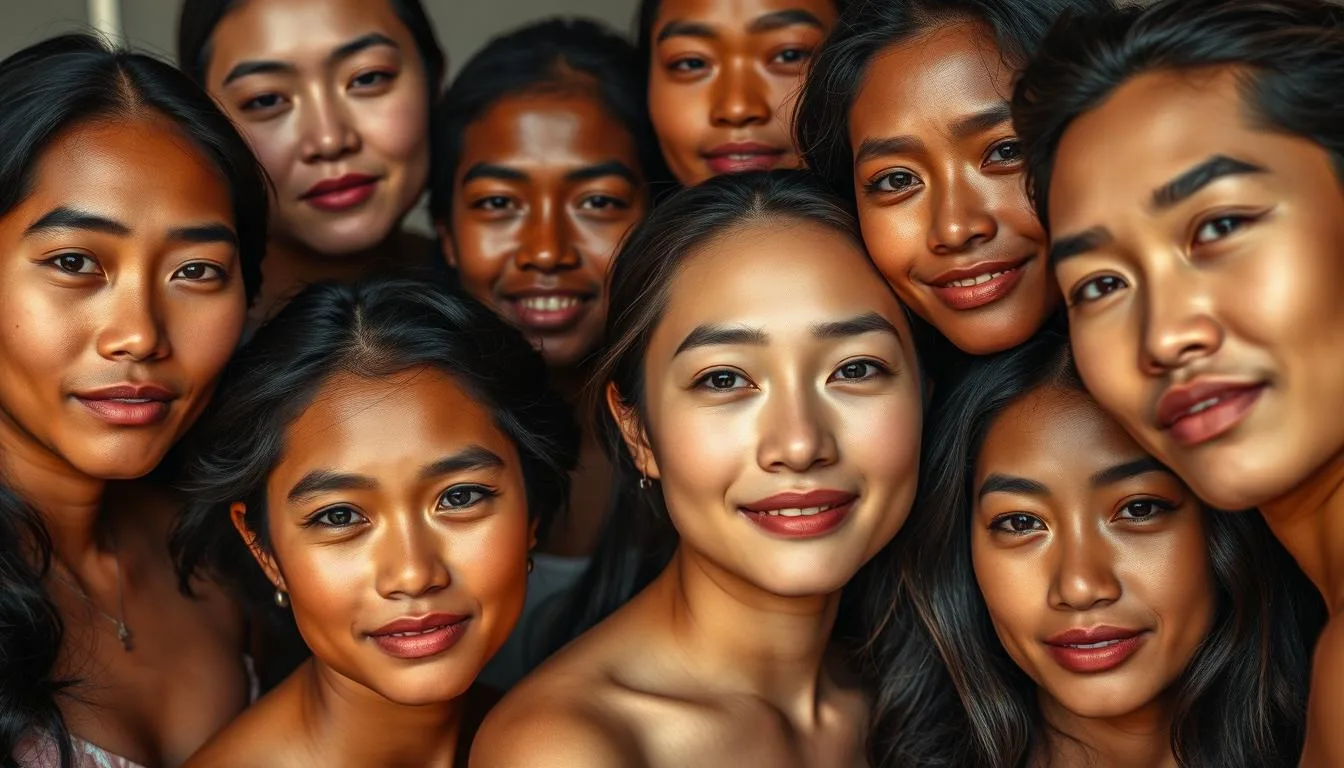
The beauty world has grown a lot, welcoming diversity and inclusivity. Yet, a key area is still ignored: the wide range of Asian skin tones. People often think Asian skin tones are the same, but they’re not. They vary a lot across different ethnic groups and places.
This variety is often underrepresented in beauty products and ads. They usually don’t match the wide range of Asian skin tones. It’s important to celebrate this diversity for true inclusivity.
Key Takeaways
- The Asian population encompasses a wide range of skin tones.
- The beauty industry still has a long way to go in representing Asian skin tones.
- Acknowledging diversity in Asian skin tones is crucial for inclusivity.
- Products and marketing should cater to the broad spectrum of Asian skin tones.
- Celebrating diversity in Asian skin tones promotes a more inclusive beauty industry.
The Rich Spectrum of Asian Complexions
Exploring the diverse skin tones across Asia shows a mix of genetics, environment, and culture. The continent has a wide range of skin tones. From the fairest in the north to the darker in the south.
Breaking Down the Stereotype of “Yellow Skin”
The term “yellow skin” is often used for Asian complexions. But it’s misleading and simplifies the variety of skin tones in Asia. In truth, Asian skin tones vary widely in undertones and shades.
Common Misconceptions: Many think all Asians have the same skin tone. But this is not true. The diversity is clear when looking at different parts of Asia.
The Scientific Basis of Skin Tone Variation
Skin tone is mainly due to melanin levels and types. The variation in Asia is because of genetic changes to adapt to different climates and UV levels.
| Region | Typical Skin Tone | Influencing Factors |
|---|---|---|
| East Asia | Generally lighter | Genetic adaptation to temperate climates |
| South Asia | Darker tones prevalent | Higher UV exposure near the equator |
| Southeast Asia | Varied, from light to dark | Mix of genetic and environmental factors |
Understanding Undertones in Asian Skin
Undertones are key in skin tone appearance. Asian skin can have pink, neutral, or golden undertones.
Importance of Undertones: Knowing undertones is crucial for skincare and makeup. It also affects how skin tone is seen culturally.
Historical and Geographical Factors Influencing Asian Skin Tones
Asia’s skin tones are shaped by many historical and geographical factors. The continent’s wide range of landscapes, from icy tundras to sun-kissed beaches, has greatly influenced its people’s skin tones.
Migration Patterns Across Asia
Many groups have moved across Asia, mixing and adding to the genetic diversity. The Mongol conquests, for example, helped spread genes across huge areas, creating a mix of skin tones.
Climate Adaptation and Melanin Production
Different climates in Asia have led to changes in melanin production. People in sunny areas have more melanin to protect against the sun. This natural change is a big reason for the variety of skin tones in Asia.
Ancient Trade Routes and Cultural Exchange
Old trade paths, like the Silk Road, brought goods and cultures together. This mixing of cultures and genes has helped create the diverse skin tones seen in Asia today, as different groups intermarried.
These historical and geographical factors have made Asian skin tones incredibly diverse. They show that there’s no single “Asian skin tone,” but rather a complex range of human pigmentation.
East Asian Skin Tones: Beyond the Porcelain Stereotype
East Asia is more than just delicate, porcelain skin. It has a wide range of skin tones. These variations come from genetics, history, and the environment.
Chinese Regional Skin Tone Diversity
China’s huge size means different skin tones across the country. People in the south have darker skin, thanks to more melanin. This is because of the warmer, sunnier weather.
In the north, the skin is lighter. This is because of the colder, sunnier conditions.
Japanese Complexion Variations
Japan has a variety of skin tones too. The northern island of Hokkaido has fairer skin. The southern Okinawa has warmer tones.
This difference comes from Japan’s long stretch from north to south.
Korean Skin Tone Range
Korea is known for fair skin, but there’s more to it. There’s a growing acceptance of different skin tones. This move away from the old beauty standards is important.
| Country | Regional Variations | Skin Tone Characteristics |
|---|---|---|
| China | North vs. South | Lighter in North, darker in South |
| Japan | Hokkaido vs. Okinawa | Fairer in Hokkaido, warmer in Okinawa |
| Korea | General | Fair complexion with growing diversity recognition |
The variety of skin tones in East Asia shows the complexity of beauty here. It challenges old stereotypes. It shows we need to understand beauty and skin health in a deeper way.
Southeast Asian Complexion Diversity
The Southeast Asian region is known for its wide range of skin tones. This variety comes from its complex history and geography. Each country in the region has its own set of skin tones.
Filipino and Vietnamese Skin Tone Ranges
In the Philippines, people’s skin can be fair to medium brown. This is because of the country’s history with Spanish and American cultures. Vietnamese skin tones are generally darker, with many having medium to olive complexions.
Thai and Cambodian Skin Characteristics
Thais often have golden or olive skin, thanks to their location and climate. Cambodians also have similar skin tones, ranging from light brown to medium.
Indonesian and Malaysian Skin Diversity
Indonesia and Malaysia have a wide range of skin tones, from light to dark brown. This variety comes from the archipelagos’ diverse ethnic groups and historical trade routes.
The variety of Asian skin tones in Southeast Asia shows the region’s rich culture and geography. It’s important to understand and value this diversity. This helps promote inclusivity and challenges old beauty standards.
South Asian Skin Tone Spectrum
The skin tones in South Asia vary a lot. This is because of the region’s history and geography. The area’s complex past, including migrations and cultural exchanges, has shaped this diversity.
Regional Variations
North Indian and South Indian skin tones differ a lot. North Indians usually have fairer skin. South Indians often have darker skin. This is because of historical migrations and adapting to the climate.
Pakistani and Nepali Skin Tones
Pakistanis and Nepalis have a wide range of skin tones. Pakistanis have a mix of fair and olive skin. Nepalis have different skin tones because of their location between India and Tibet.
Sri Lankan and Bangladeshi Skin Characteristics
Sri Lankans and Bangladeshis have unique skin tones. Sri Lankans have skin tones from fair to dark, showing their cultural history. Bangladeshis have darker skin, influenced by their location near the Bay of Bengal.
The variety of skin tones in South Asia shows the region’s rich culture and complex history. It’s important to understand these differences to appreciate the beauty of diverse asian skin tones.
Central Asian Skin Characteristics
The skin of Central Asia is influenced by its geography and history. This area, home to Kazakhstan, Uzbekistan, Mongolia, and Tibet, shows a wide range of skin tones.
Complexions of Kazakh and Uzbek Populations
Kazakhs and Uzbeks have a mix of Asian and Caucasian traits. This mix leads to a variety of skin tones. Some have lighter skin from European influences, while others have darker skin from their Asian roots.
Mongolian and Tibetan Skin Tones
Mongolians have a strong skin type, often medium to dark, suited for the harsh Mongolian steppes. Tibetans, living high up, have skin that protects against strong UV rays, making their skin darker.
Influences of Silk Road Migrations
The Silk Road, a network of ancient trade routes, greatly influenced Central Asia’s genetic diversity. The mixing of ethnic groups along this route led to the diverse skin tones found in the region today.
| Country | Typical Skin Tone Range | Influencing Factors |
|---|---|---|
| Kazakhstan | Light to Medium | European and Asian influences |
| Uzbekistan | Medium to Olive | Asian and Middle Eastern influences |
| Mongolia | Medium to Dark | Asian heritage and climate adaptation |
| Tibet | Dark | High-altitude UV adaptation |
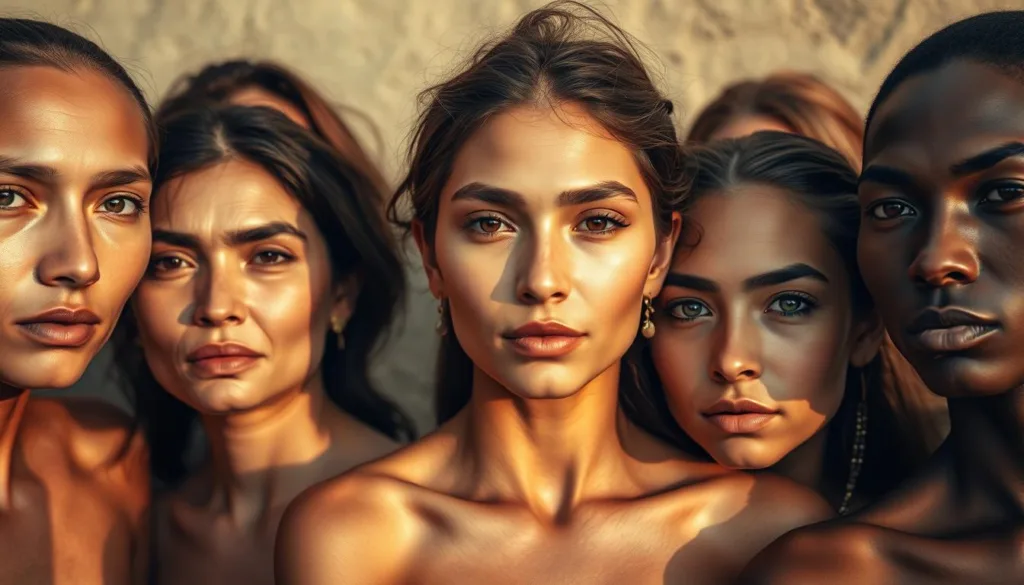
Not All Asians Have the Same Skin Tone: Debunking Media Representations
The media often shows Asian skin tones in a narrow way. This has been a big problem for a long time. It limits how we see Asian complexions in movies, TV, and ads.
Hollywood’s Limited Portrayal of Asian Skin Diversity
Hollywood has been criticized for not showing the real variety of Asian skin tones. Many movies and TV shows feature actors with lighter skin in main roles. This makes people think all Asians look the same.
This wrong idea affects how people see Asians worldwide. It also shapes beauty standards in Asian communities.
The Rise of Authentic Representation in Modern Media
But things are changing. Modern movies and TV shows are now showing more Asian actors. They come in different skin tones, reflecting the true diversity of the Asian diaspora.
This shift is key to breaking down old stereotypes. It helps us understand Asian beauty in a more inclusive way.
Social Media’s Role in Showcasing Asian Skin Diversity
Social media has been a big help in showing Asian skin tones. Sites like Instagram and TikTok let people share their stories. They show off their unique skin tones, challenging old beauty standards.
This way, we can celebrate the variety of Asian skin tones. It’s a step towards more inclusive media, showing the beauty of different complexions across Asia.
Cultural Attitudes Toward Skin Tone in Different Asian Societies
The way people view skin tone varies a lot in Asia. Some places value lighter skin, while others love their natural colors. It’s important to understand these differences to truly appreciate asian skin color diversity.
Historical Roots of Colorism
Colorism, or skin tone discrimination, has a long history in Asia. In some places, lighter skin meant wealth and status. This idea has lasted for generations, shaping today’s beauty ideals.
The Skin Whitening Industry in Asia
The skin whitening market in Asia is huge, worth billions of dollars. It shows how many people want lighter skin. With famous faces promoting these products, the industry is big and growing.
But, this industry also has dark sides. It spreads colorism and can be harmful to health. Some products use ingredients that are not safe for our skin.
Changing Perspectives on Skin Tone Beauty Standards
Lately, there’s a big push for accepting all skin tones. Social media has been key in this change. It shows off multiple asian skin tones through influencers and brands.
This movement is fighting against old beauty standards. It’s all about loving and accepting ourselves, no matter our skin color. As Asia changes, so do its views on beauty.
By embracing asian skin color diversity, these communities are becoming more inclusive. They’re learning to see beauty in all its forms.
Skincare Needs Across Different Asian Skin Types
It’s important to understand the unique skin needs of various Asian skin types. This is because Asia has a wide range of skin tones and types. Each type has its own skincare concerns that need to be addressed.
Unique Dermatological Considerations
Asian skin often has more melanin and is at risk for dark spots after skin issues. Many Asians also have combination skin. This means they need to balance controlling oil and keeping their skin hydrated.
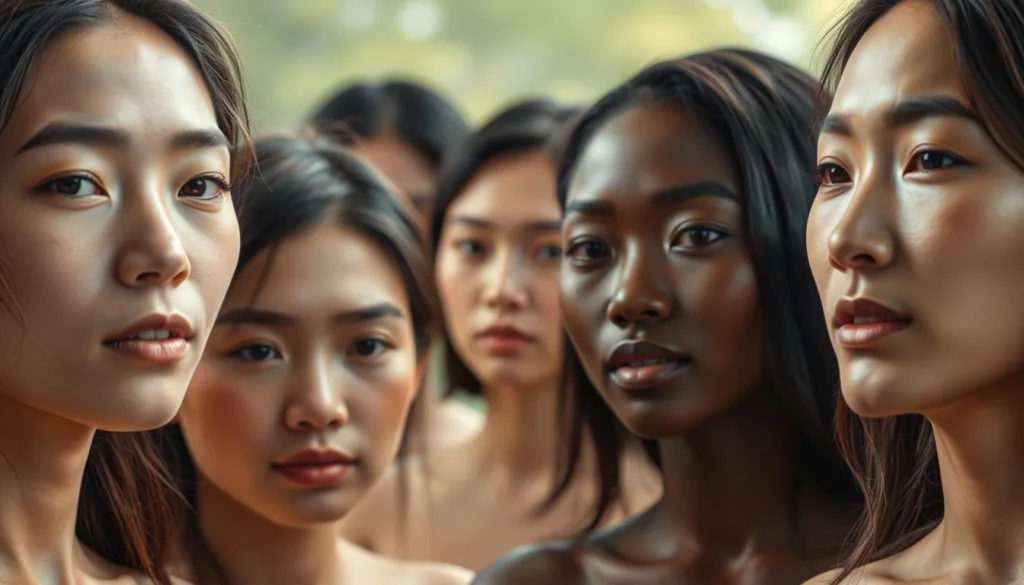
Common Skin Concerns by Region
Different parts of Asia face different skin issues. In East Asia, people often want to look younger and have brighter skin. In Southeast Asia, the main concerns are fighting acne and keeping the skin moist.
Customized Approaches to Asian Skin Health
Skincare products and treatments need to be tailored to each Asian skin type. Using niacinamide for brightening and hyaluronic acid for hydration is key. Also, sun protection is vital for all Asian skin types to avoid dark spots and skin damage.
The Genetics Behind Asian Skin Tone Diversity
Recent studies have explored the genetic reasons behind the varied skin tones in Asian populations. They have uncovered the complex factors that influence these differences.
Key Genetic Markers Influencing Pigmentation
Genetic markers play a key role in skin pigmentation. Genes like MC1R and SLC24A4 are involved in melanin production. These genes vary across different Asian populations, leading to diverse skin tones.
- MC1R gene variations can affect melanin production, influencing skin tone.
- The SLC24A4 gene is associated with skin pigmentation and has been linked to skin tone diversity.
Mixed Heritage and Its Impact on Skin Tone
Mixed heritage greatly affects skin tone diversity in Asian populations. When people from different ethnic backgrounds marry, their genes mix. This mixing leads to a wider range of skin tones.
Recent Genetic Research on Asian Skin Diversity
Recent studies have made big progress in understanding Asian skin tone diversity. For example, research found many genetic loci linked to skin pigmentation in Asian populations.
These discoveries show how complex skin tone genetics are. They also highlight the need for more research in this field.
Asian Representation in Beauty and Fashion Industries
The beauty and fashion worlds are now more diverse. They recognize the wide range of Asian skin tones. This change is seen in more Asian models on runways and in new cosmetics for different Asian skin types.
The Evolution of Asian Models in Global Fashion
The fashion world used to lack diversity. But, in recent years, we’ve seen more Asian models on magazine covers and runways. This is a big step forward.
Makeup and Cosmetic Lines for Diverse Asian Skin Tones
The beauty industry has also made big changes. Now, there are makeup and cosmetic lines made for various Asian skin tones. Brands offer more foundation shades to match different Asian skin types.
| Brand | Product Line | Shade Range |
|---|---|---|
| Brand A | Foundation | 10 shades |
| Brand B | Concealer | 8 shades |
Challenges and Progress in Inclusive Beauty Standards
Even with progress, there are still challenges. The industry is working hard to include more diversity. They aim for better representation and more varied products.
Conclusion: Celebrating the Beautiful Diversity of Asian Skin
The wide range of Asian skin tones shows the complexity and richness of human variation. Not all Asians have the same skin tone. This diversity is seen in the different complexions across various regions and cultures.
Asian skin color diversity is more than just a natural fact. It’s also a key part of identity and beauty. By recognizing and celebrating this diversity, we move towards a more inclusive view of beauty.
To achieve inclusivity, we need to keep working on representing and celebrating Asian skin tones. This means promoting real representation in media, challenging old beauty standards, and embracing the unique traits of different Asian complexions.
By doing this, we can better understand Asian skin color diversity. We can also create a culture that values and celebrates individuality. This helps break down barriers and promotes inclusivity in the beauty and fashion worlds.