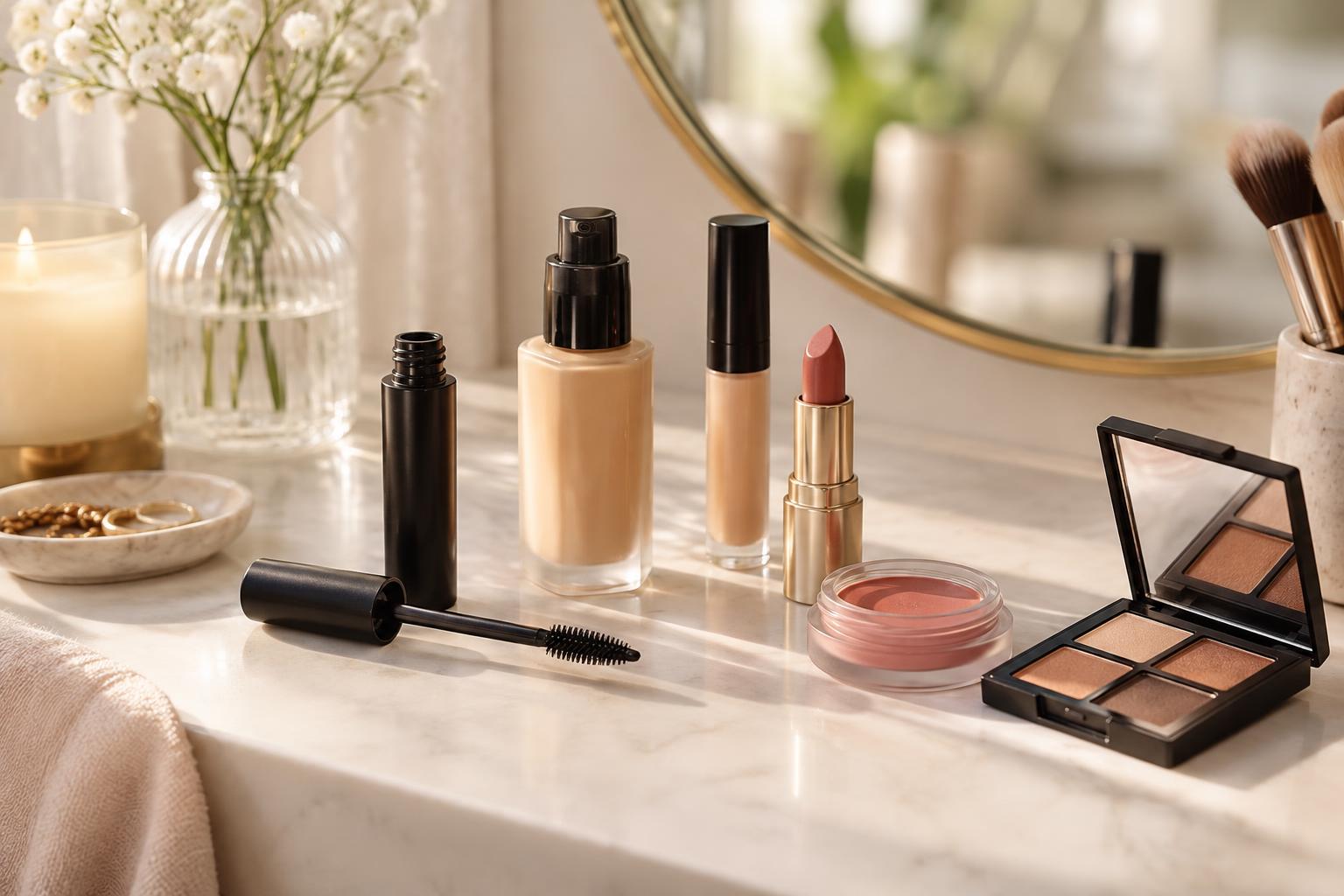
Yes, makeup and skincare can expire. Replace products according to their expiration dates and period-after-opening instructions, and discard them sooner if they become contaminated or change in smell, texture or appearance. Mascara generally needs replacing sooner than powder makeup, while sunscreen requires particular attention to its expiry date.
What Do Makeup Expiration Dates Mean?
There isn’t one universal makeup expiry rule. A product’s useful life depends on its formula, preservatives, packaging, storage and how you use it.
The U.S. Food and Drug Administration (FDA) explains that ordinary cosmetics generally aren’t required to carry expiration dates under U.S. law. Products regulated as drugs, including sunscreens, have different requirements.
Expiration date vs. period-after-opening symbol
- Expiration or minimum-durability date: A printed date indicates how long the manufacturer expects the product to remain suitable under its specified storage conditions. Opening it may shorten that window.
- Period-after-opening (PAO) symbol: An open jar marked “6M,” “12M” or “24M” means six, twelve or twenty-four months after first opening. Write the opening date on the packaging.
- Batch code: This identifies a production batch; it isn’t necessarily an expiration date. Ask the manufacturer if you need help interpreting it.
Where both an expiration date and a PAO apply, follow whichever limit comes first. Neither overrides obvious contamination or deterioration, and unopened products don’t last indefinitely.
Makeup and Skincare Expiration Guide
These are general replacement guidelines, not guaranteed safe lifespans. Except for sunscreen, the ranges below refer to time after opening. Follow your product’s label and manufacturer guidance first; formulas and packaging vary.
| Product | General replacement guideline | Reasons to discard sooner |
|---|---|---|
| Mascara | Around 3 months; manufacturer guidance may vary. The FDA notes manufacturers usually recommend 2–4 months. | Drying, unusual clumping, changed smell or use during an eye infection. |
| Liquid or gel eyeliner | Often 3–6 months; check the label. | Drying, altered consistency, contamination or use during an eye infection. |
| Pencil eyeliner | Often 12–24 months, depending on the formula. | Changed smell or texture, contamination or use during an eye infection. |
| Liquid or cream foundation | Often 6–12 months. | Unexpected separation, discoloration or a sour or rancid smell. |
| Concealer | Often 6–12 months. | Texture changes, off odors or contamination of the applicator. |
| Lipstick | Often 12–24 months; liquid formulas may have shorter guidance. | Rancid odor, unusual surface growth or significant texture changes. |
| Cream blush | Often 6–12 months. | Separation, drying, changed smell or visible growth. |
| Powder blush | Often 18–24 months. | Moisture damage, visible growth or an unusual odor. |
| Eyeshadow | Powder: often 12–24 months. Cream or liquid: often 6–12 months. | Changed texture or smell, moisture contamination or use during an eye infection. |
| Sunscreen | Follow its expiration date. If none is present, FDA guidance is to consider it expired 3 years after purchase. | Excessive heat exposure, changed consistency, color or smell. |
| Moisturizer | Often 6–12 months after opening, but check the label. | Unexpected separation, altered smell or color, or visible growth. |
Why Some Products Need Replacing Sooner
Mascara and eyeliner: contamination matters
Eye products deserve extra care because applicators repeatedly touch the eye area and return to the container. The FDA’s eye cosmetic safety guidance advises throwing away eye cosmetics used when an eye infection occurred.
Never add water or saliva to revive dried mascara: this can introduce microorganisms and dilute its preservative system. Sharpening pencil eyeliner exposes a fresh tip, but it doesn’t make a contaminated pencil reliably safe.
Foundation, concealer and cream products: watch for changes
Many liquid and cream formulas contain water and rely on preservatives to control microbial growth. Fingers, brushes and applicators can introduce contamination during normal use.
Some foundations naturally separate and are designed to be shaken. What matters is an unexpected change from the product’s normal behavior, especially separation that doesn’t resolve as directed, a new odor or unusual lumps.
Powder makeup and lipstick: longer-lasting doesn’t mean everlasting
Dry powders generally provide less favorable conditions for microbial growth than water-rich formulas, but damp brushes and bathroom humidity can introduce moisture.
A shiny, hardened patch on powder makeup may be oil buildup rather than mold. Still, scraping the surface or spraying it with alcohol cannot reliably make an expired or contaminated product safe. Lipstick’s oils and waxes can also deteriorate over time.
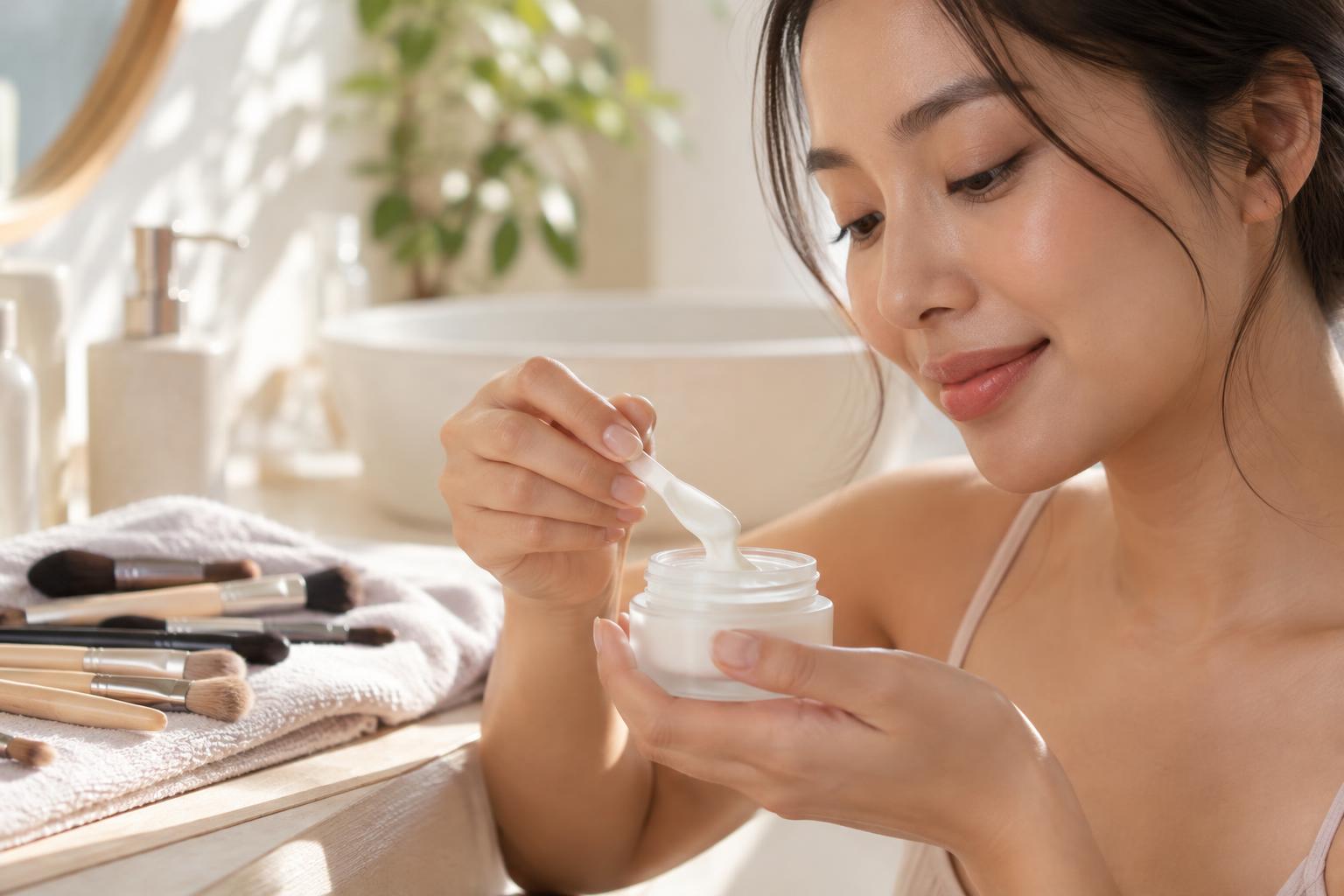
Does Sunscreen Expire? What About Moisturizer?
Don’t rely on expired sunscreen for protection. The FDA advises discarding expired sunscreen. If it has no expiration date, write the purchase date on it and follow the three-year guidance above.
Heat and poor storage can compromise sunscreen before its printed date. Normal smell and appearance don’t prove it still provides its labeled protection.
For moisturizer, follow the PAO or manufacturer’s instructions. A pump reduces direct finger contact but doesn’t eliminate contamination. Moisturizer containing SPF also needs to follow the sunscreen’s expiration and storage instructions.
How to Store Makeup and Keep It Cleaner
- Store products in a cool, dry place away from sunlight, hot cars and steamy bathrooms.
- Close lids tightly and keep packaging intact.
- Wash hands before application; use a clean spatula for jars.
- Clean brushes and reusable sponges regularly, and let them dry completely.
- Don’t share mascara, eyeliner or lip products.
- Avoid pumping mascara wands, topping up old containers or mixing water into products.
Discard anything with visible mold or suspected contamination, even within its PAO. Stop using products that cause irritation; irritation doesn’t necessarily mean expiry, but it shouldn’t be ignored. Seek medical advice for persistent symptoms, and prompt care for eye pain or vision changes.
FAQ
Can I use makeup after its period-after-opening limit?
It’s best to replace it. The PAO reflects the manufacturer’s intended use period after opening; looking and smelling normal doesn’t establish safety beyond that window.
Does unopened makeup expire?
Yes. Ingredients and packaging can deteriorate even before opening. Follow any printed date and storage instructions, and contact the manufacturer if the product’s age is unclear.
How can I tell if makeup has gone bad?
Watch for new odors, discoloration, unexpected separation, unusual texture or visible growth. However, contamination isn’t always visible, so dates and hygiene still matter.
Do I need to throw away an entire eyeshadow palette after an eye infection?
FDA guidance is to discard eye cosmetics you were using when the infection occurred. Surface cleaning cannot reliably decontaminate a palette; clean or replace applicators as appropriate, too.