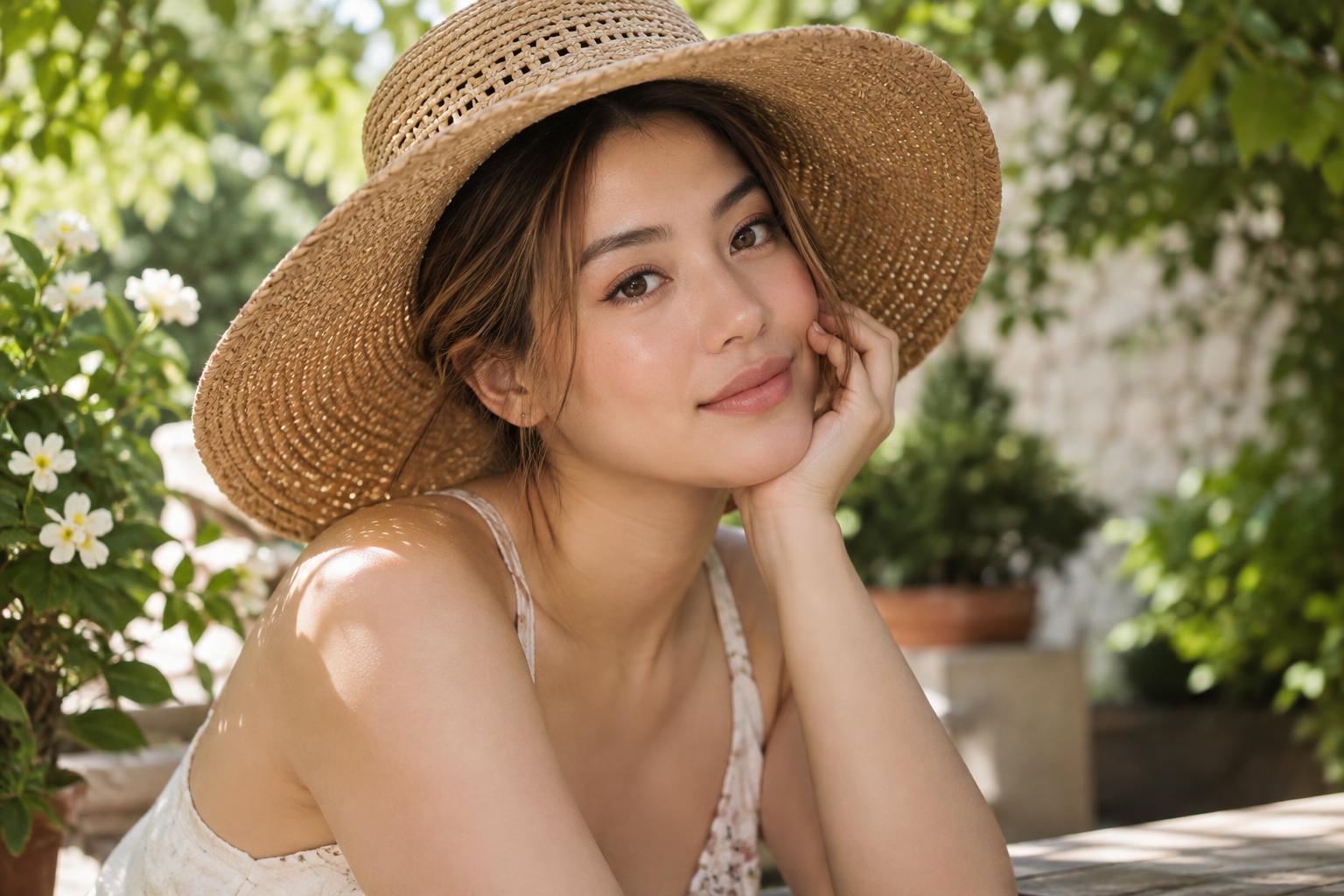
To protect color-treated hair from sun damage and fading, combine a UPF-rated hat or shade with gentle washing, conditioning, and a UV-protective leave-in used as directed. Before swimming, wet your hair with fresh water; afterward, rinse promptly and cleanse as needed.
How Sunlight Affects Color-Treated Hair
Sunlight can change both your hair’s color and its condition. UV exposure can break down natural and artificial pigments and weather the hair’s protective outer layer, called the cuticle. Dyed, highlighted, and bleached hair may already have some processing damage, making added dryness and roughness particularly noticeable.
- Fading: Your shade may look lighter, less saturated, or uneven as pigments change or wash away.
- Brassiness: Unwanted yellow, orange, or red tones can become more visible as cool-toned color or toner fades.
- Dryness: Weathered hair may feel rough and tangle more easily.
- Brittleness: Weakened strands can become more prone to snapping, especially with aggressive brushing or heat styling.
- Cuticle damage: Think of the cuticle as overlapping roof shingles. When that protective surface becomes worn, hair feels less smooth and is harder to manage.
Sunlight is only part of the picture: washing, hot tools, pool water, and your starting hair condition also influence how long color looks fresh.
The Best Ways to Protect Dyed Hair Outdoors
Start with a UPF hat, coverage, and shade
A broad-brimmed, UPF-rated hat is a practical first line of defense. Choose one that covers your scalp and gives your face, ears, and neck some shade. Tuck longer lengths underneath when possible rather than leaving them exposed down your back.
A scarf can cover exposed lengths, but an ordinary scarf does not automatically offer a known level of UV protection. For more predictable coverage, look for a UPF-rated option. Use shade during extended outdoor time, too.
Add a UV-protective leave-in
Look for a leave-in conditioner or hair mist specifically labeled for UV protection and suitable for color-treated hair. Follow its directions for application and reapplication, including whether to use it on damp or dry hair.
Coverage, formulation, and wear affect performance, so treat these products as an extra layer—not permission to skip a hat. Heat protectant, hair oil, and ordinary conditioner are not automatically UV protectants.
Keep washing and styling gentle
Choose a color-safe shampoo that cleans your scalp without leaving your lengths feeling stripped. “Sulfate-free” alone does not guarantee less fading; the overall formula and your washing habits matter.
Condition after shampooing, concentrating on mid-lengths and ends. Use a moisturizing mask when hair feels dry, following the label. These products can improve softness and manageability, but they cannot permanently undo sun damage.
Reduce flat-ironing and curling when possible. When using heat, apply a heat protectant and choose the lowest effective setting. Detangle gently rather than pulling through knots.
Hair UV Protection vs. Scalp Sunscreen
Hair products protect the hair fiber; sunscreen protects exposed skin. A UV-protective hair mist does not necessarily provide tested SPF protection for your scalp. Unless a product is labeled as sunscreen for skin, do not treat it as one.
The American Academy of Dermatology’s sunscreen guidance recommends broad-spectrum, water-resistant sunscreen with SPF 30 or higher. Protect exposed parts, thinning areas, and the hairline with appropriate sunscreen and headwear.
Follow the sunscreen label. The AAD’s application guidance advises reapplying about every two hours outdoors and after swimming or sweating. These recommendations concern skin protection, not a guarantee against hair-color fading.
Sun and Swim Protection: A Practical Comparison
| Method | Main purpose | Important limitation |
|---|---|---|
| UPF-rated hat | Covers scalp and tucked-in hair | Exposed lengths still need coverage |
| UV-protective leave-in | Adds product-based hair protection | Not automatically scalp sunscreen |
| Color-safe shampoo and conditioner | Gentle cleansing and manageability | Do not block sunlight |
| Moisturizing mask | Helps dry hair feel softer | Does not reverse structural damage |
| Swim cap | Helps limit water exposure | Usually does not keep hair completely dry |
| SPF 30+ sunscreen | Protects exposed scalp skin | Not a substitute for hair care |
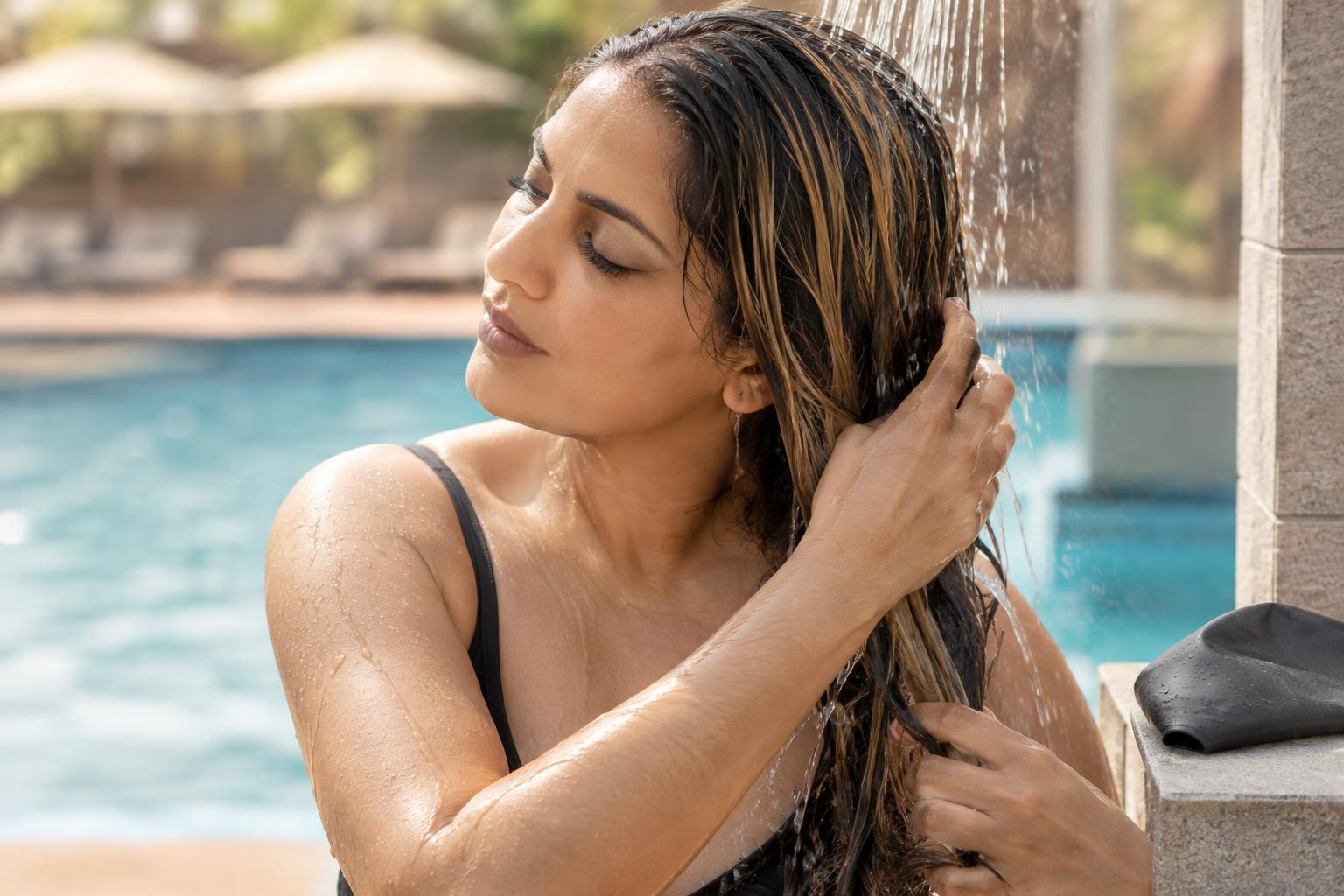
How to Protect Hair Color When Swimming
Pool disinfectants can contribute to dryness and color changes. Copper in pool water—not chlorine alone—is commonly associated with a greenish cast on light hair. Saltwater can leave hair feeling rough and tangled, while repeated wetting and washing can accelerate fading, particularly with temporary and semipermanent shades.
Before swimming
- Saturate your hair with fresh water to help limit how much pool or seawater it takes up.
- Gently secure long hair and use a well-fitting swim cap when practical.
- Protect exposed scalp skin with water-resistant sunscreen, following its application directions.
After swimming
- Rinse thoroughly with fresh water as soon as practical.
- Cleanse as needed with a gentle, color-safe shampoo, then condition.
- If mineral buildup or discoloration develops, consider an occasional swimmer’s or chelating shampoo labeled for your hair type. Follow directions; these products can also affect color.
- Detangle gently and minimize hot-tool styling afterward.
Frequent swimmers may need more conditioning and a personalized cleansing routine. Ask your colorist before using intensive mineral-removal treatments on freshly colored or very fragile hair.
Protection Tips for Different Hair Colors
- Blonde, highlighted, or bleached: Prioritize coverage and conditioning. Purple shampoo can temporarily counter yellow tones, but it cannot repair damage or prevent UV exposure.
- Brunette: Watch for unwanted warmth. A colorist can help you choose a blue-toned product for orange tones when appropriate.
- Red: Keep outdoor coverage consistent and avoid unnecessary washing. Ask about a compatible color-depositing conditioner.
- Pastel: These delicate shades can lose their intended tone quickly. Be especially careful with swimming and strong cleansing products.
- Vivid: Follow your dye’s aftercare instructions. Avoid experimenting with toning shampoos that could alter the shade.
Daily Protection Checklist
- Check whether your day includes extended sun or swimming.
- Pack a UPF hat and cover exposed lengths.
- Apply your UV-protective leave-in as directed.
- Protect exposed scalp skin with sunscreen.
- Condition after washing and keep heat styling minimal.
- Rinse promptly after pool or ocean time.
Common Mistakes to Avoid
Do not rely on hair oil as sunscreen, assume a heat protectant blocks UV, or use purple shampoo for every type of discoloration. Avoid repeatedly clarifying already-dry hair without addressing the cause of buildup. And remember: a mask can make damaged hair feel better without restoring its original structure.
FAQ
Can the sun fade permanently dyed hair?
Yes. “Permanent” describes the coloring process, not immunity to fading. Sun exposure, washing, and wear can still change the shade.
Does purple shampoo prevent sun damage?
No. Purple shampoo deposits pigment to counter yellow tones. It does not replace sun coverage, UV-protective hair products, or scalp sunscreen.
Should I wash color-treated hair after every swim?
Rinse after every swim. Shampoo as needed to remove pool or saltwater residue, then condition. Frequent swimmers should tailor cleansing to buildup, scalp comfort, and hair dryness.
Can I put regular sunscreen on my hair part?
Yes, use sunscreen suitable for exposed skin on your part, following the label. A broad-spectrum, water-resistant SPF 30 or higher is appropriate; a UPF hat adds useful coverage.