Foundation can turn orange because it changes color during wear, but an incorrect shade or undertone can look similar. The best prevention is to wear-test the shade, let your skincare settle, and check whether your foundation, primer, or powder is causing the shift.
Is It Foundation Oxidation or a Shade Mismatch?
“Oxidation” is often used as shorthand for any foundation that looks darker or warmer after application. Technically, oxidation is a chemical reaction involving oxygen, and you cannot confirm it just by looking at your makeup. Dry-down, skin oils, underlying skincare, and other makeup products can also affect how the finished base looks.
If it looks orange immediately
An initial shade mismatch is the first thing to check. The foundation may be too dark, too warm, or too peachy for your coloring. A shade can match your skin’s depth while still having the wrong undertone.
Store lighting can hide that mismatch. If a freshly applied foundation looks orange as soon as you step into daylight, the problem may be the original color rather than a change during wear.
If it turns orange as it dries or wears
A foundation that initially matches but becomes warmer or darker needs a wear test. Some formulas look different once their liquid components evaporate and the film sets. Changes later in the day may involve oil buildup or the way the formula wears over your other products—not necessarily oxidation alone.
- Orange from the start: Recheck shade depth and undertone.
- Darker after drying: Judge the settled color, not just the wet swatch.
- Orange only after powder or bronzer: Test those products separately.
- Different in every room: Check lighting before changing your routine.
Why Foundation Can Look Warmer During the Day
There is not one universal cause. Oil and moisture can affect how a foundation film looks, while skincare and sunscreen underneath can change how evenly it applies and settles. That does not mean oily skin always causes oxidation or that sunscreen should be skipped.
Layering can also create an orange cast. A tinted primer, warm setting powder, bronzer, or self-tanner may shift the overall color even when the foundation itself is a good match.
Application thickness matters, too. A heavy layer makes an undertone mismatch more noticeable, especially around the jaw and hairline.
How to Wear-Test Foundation Before Buying
A wrist swatch can help you compare colors, but it cannot tell you how foundation will look on your face after several hours. When possible, request a sample or check the retailer’s return policy before committing.
- Wear your usual daytime skincare. Include sunscreen so the test reflects your actual routine.
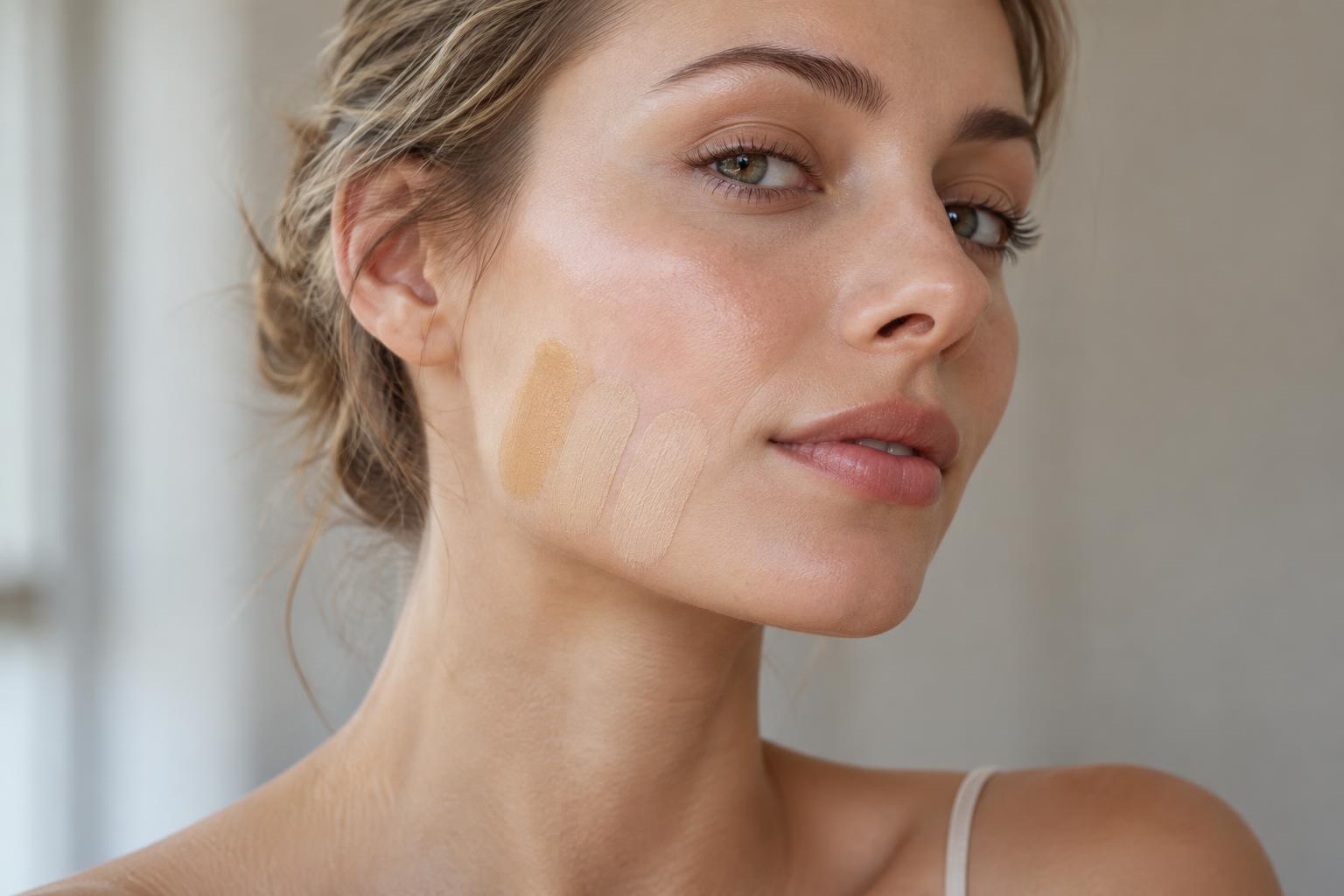
- Swatch two or three close shades. Place small stripes along the lower cheek toward the jaw. Compare them with your neck and exposed chest rather than matching facial redness alone.
- Let the swatches settle. Wait roughly 15–30 minutes before judging the color again.
- Check indirect daylight. Avoid relying only on warm bathroom bulbs or bright retail lighting.
- Wear the best candidate for several hours. Apply it across your face or on one side, using your normal amount.
- Check at intervals. Note whether the shift happens during dry-down, after powder, or later when your skin becomes shinier.
Photos taken in the same spot can help track a change, but phone processing may alter color. Use a mirror in consistent lighting as your main reference.
Adjust Skin Prep Without Overcomplicating It
Let skincare settle
Apply moisturizer as needed, then give it time to absorb before continuing. Follow your sunscreen’s application directions and let its film set before adding foundation. Rushing layers together can lead to uneven coverage or pilling, making color harder to judge.
Do not reduce sunscreen below its recommended amount to improve makeup wear. If the combination consistently performs poorly, consider a different foundation or sunscreen texture.
Match prep to your skin
If your skin becomes oily quickly, try a lighter moisturizer where appropriate and a thin layer of oil-control primer only in shiny areas. If your skin is dry, do not strip away moisture in an attempt to prevent oxidation; patchy foundation can make the shade look uneven.
Introduce one change at a time. You will learn more from testing your foundation without primer one day than from replacing your entire routine at once.
Make Formula and Application Adjustments
- Start with thinner coverage. Apply a light layer, then add coverage only where needed.
- Consider a different finish. If a rich, dewy formula becomes too shiny on you, sample a soft-matte option. If a matte formula clings to dry patches, try a more moisturizing base.
- Test powder separately. Even a powder labeled translucent may affect the finished color on your skin.
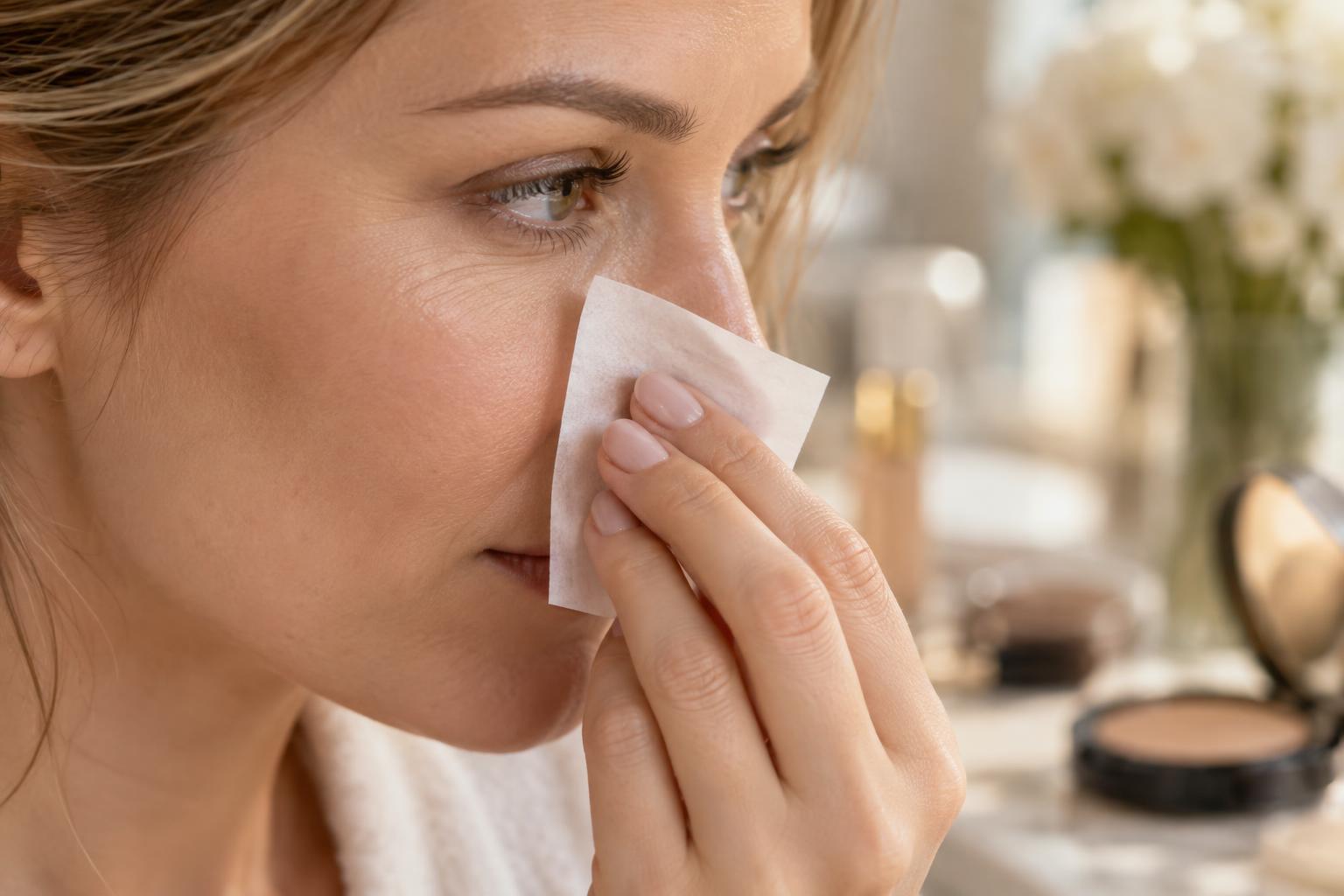
- Blot before adding powder. Gently remove excess surface oil rather than repeatedly layering more product over it.
Do not rely on a simple “water-based versus silicone-based” rule. Foundations and primers can contain both water and silicones; actual wear testing is more useful than guessing compatibility from one ingredient.
Should You Buy a Lighter or Cooler Shade?
Not automatically. A lighter foundation may still turn orange, while a much cooler shade could look pink or ashy. First identify whether you need a different depth, a less warm undertone, or a different formula altogether.
If a foundation consistently settles into the wrong color, compare neighboring shades after dry-down. Choose the one that matches when set and stays acceptable during wear—not one that looks deliberately wrong at application in hopes it will eventually improve.
FAQ
Does oily skin make foundation oxidize?
Skin oil can affect how foundation looks and wears, but oiliness alone does not prove oxidation. Try targeted oil control and compare the result under the same lighting.
Can primer stop foundation from turning orange?
Primer may improve wear or manage shine, but it cannot reliably fix a wrong undertone. Test your foundation with and without primer to see whether that particular pairing helps.
Can sunscreen make foundation look orange?
A tinted sunscreen can influence the final shade, and any sunscreen may affect how foundation applies over it. Keep sun protection in your routine and test a different product pairing if needed.
How can I fix foundation that already looks orange?
If the mismatch is slight, gently lift excess product with a clean, slightly damp sponge. For a strong orange cast, removing and reapplying a better-matched base is usually more predictable than adding corrective layers.