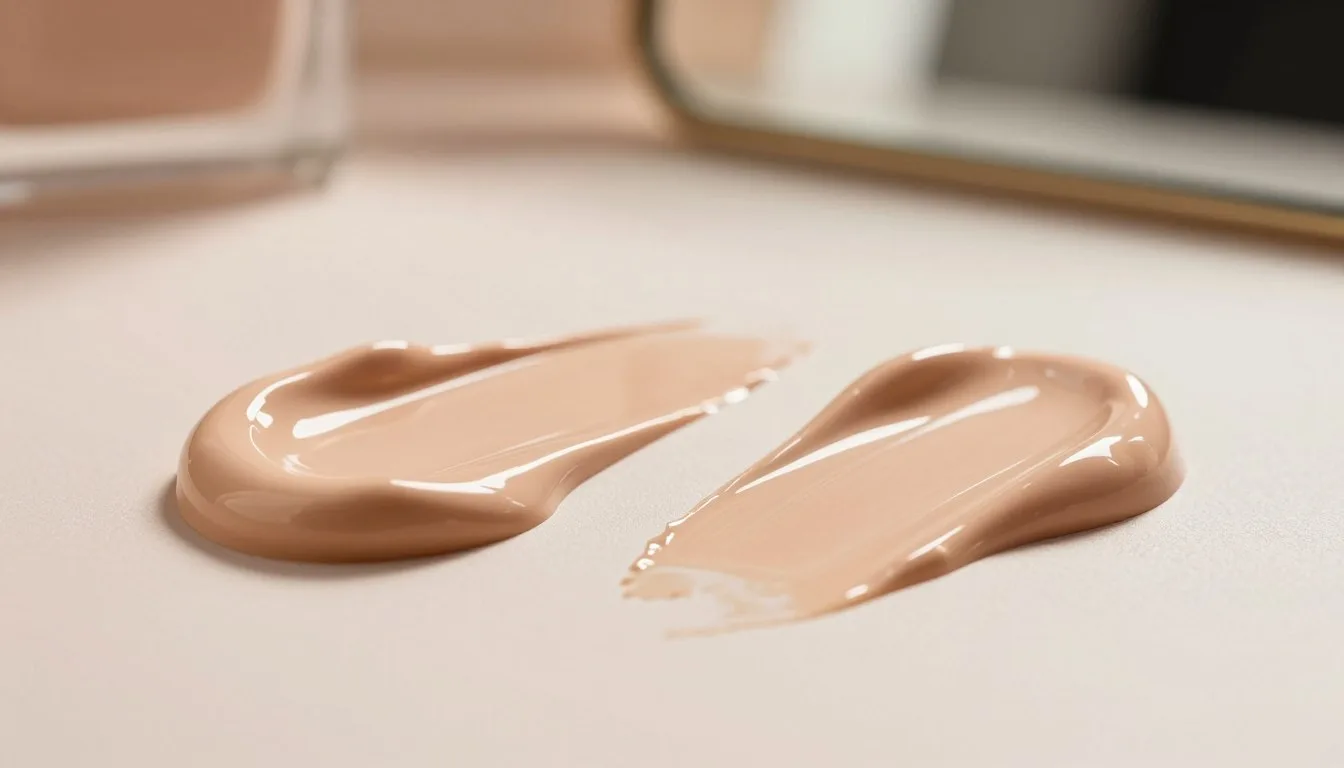
Finding the perfect makeup base can be tough. You might wonder if you’re using the right product for your skin. Knowing the difference between cream vs liquid foundation is key to a flawless look.
Your skin type affects how these foundations work all day. Some give a dewy glow, while others offer a matte finish that lasts. Choosing the right texture helps avoid issues like caking or settling into lines.
Many people can’t decide which is better cream or liquid foundation for their daily needs. By knowing your skin goals, you can pick a product that makes your face look radiant and healthy. Let’s look at how to choose the best for your beauty kit.
Key Takeaways
- Identify your skin type to determine the best formula for your needs.
- Liquid options often provide a lightweight, buildable finish for everyday wear.
- Cream formulas offer higher coverage and are ideal for dry or mature skin.
- Proper application techniques prevent makeup from settling into fine lines.
- Your choice should balance your desired finish with your skin’s hydration levels.
Understanding the Core Differences Between Cream and Liquid Foundation
Choosing the right makeup base is key. Knowing the difference between cream and liquid foundation is essential. They both aim to even out your skin tone. But, their chemical makeup affects how they stay on your skin all day.
Looking at foundation types explained, you’ll see a big difference. It’s in the oil, water, and pigment ratio. This ratio decides if the foundation feels light or heavy. Knowing this helps you pick the right foundation for a flawless look.
Defining Liquid Foundation
Liquid foundation is loved for its versatile and buildable nature. It has a water or silicone base, making it smooth on your skin. It’s great for beginners because it blends easily, giving a natural look.
Defining Cream Foundation
Cream foundation, on the other hand, has a thicker, more emollient consistency. It’s full of waxes and oils, giving it a rich feel. This makes it perfect for high coverage and a smooth, lasting finish.
| Feature | Liquid Foundation | Cream Foundation |
|---|---|---|
| Consistency | Fluid and thin | Thick and creamy |
| Primary Base | Water or Silicone | Oil or Wax |
| Coverage | Sheer to Full | Medium to Full |
| Best For | Daily wear | Special occasions |
Texture, Coverage, and Finish Comparison
Choosing between a cream foundation vs liquid foundation depends on your makeup goals. Do you want a light, everyday look or a full-coverage finish? The texture of your foundation is key. It affects how your makeup looks and feels all day.
Analyzing Liquid Foundation Characteristics
Liquid foundations are known for their lightweight feel. They blend easily, making them perfect for a natural look. Their thin consistency helps them mimic healthy skin.
These foundations give a dewy or satin finish. They reflect light well, giving you a fresh, youthful look. They blend into pores, creating a soft, natural effect.
Analyzing Cream Foundation Characteristics
Cream foundations have a velvety-smooth texture. They feel richer and more substantial. This makes them great for covering blemishes or uneven skin.
For a polished look, cream foundations are often the better choice. They have a high pigment load that lasts. They’re perfect for a matte or semi-matte finish.
| Feature | Liquid Foundation | Cream Foundation |
|---|---|---|
| Texture | Fluid and lightweight | Rich and velvety |
| Coverage | Sheer to medium | Medium to full |
| Finish | Dewy or natural | Satin or matte |
| Best For | Everyday radiance | Polished perfection |
Cream vs Liquid Foundation Performance Across Skin Types
Your skin type is key when choosing between cream and liquid foundations. Knowing your skin helps you pick the right product. This ensures your makeup looks good all day.
Best Choices for Dry Skin
If your skin feels tight or looks dull, you need more moisture. Cream foundations are great for dry skin because they’re full of hydrating ingredients. They give your skin a dewy look and prevent makeup from settling in dry spots.
Consistency is key for dry skin. Creamy foundations act as a protective layer, keeping your skin soft and plump. They make your skin look healthy and vibrant.
Best Choices for Oily Skin
Oily skin needs a special approach to stay matte. A lightweight liquid foundation is often the best for oily skin. It controls shine and doesn’t slide off your face as the day goes on.
Choose oil-free or mattifying liquid foundations to keep pores clear. These products absorb excess oil and provide the coverage you need. Staying shine-free is easier with a base that balances your oil.
Best Choices for Combination Skin
Combination skin can be tricky to manage. You might have an oily T-zone and dry or sensitive cheeks. A versatile liquid foundation is often the best choice because it’s easy to layer.
Apply a thin layer all over and add more where needed. Strategic application helps keep your T-zone matte while your cheeks stay hydrated. This balance ensures your makeup looks good all over your face.
Application Techniques and Blending for Beginners
Getting a flawless look starts with the right makeup application. Whether you’re new to makeup or have been doing it for years, knowing how to apply foundation is key. When you look at cream vs liquid makeup, you’ll see they need different techniques for a smooth finish.
How to Apply Liquid Foundation Smoothly
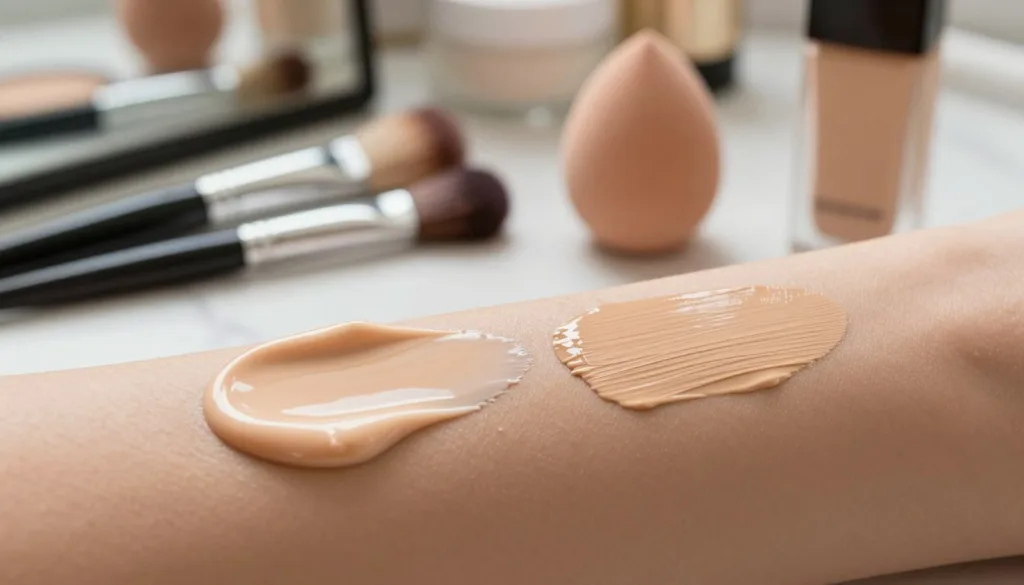
Liquid foundations are loved for their light feel and adjustable coverage. Start by applying a small amount to your hand. Using a damp beauty sponge is a great way for beginners to get a smooth look.
Tap the sponge on your skin instead of dragging it. This helps the foundation blend into your pores without streaks. If you like using a brush, a synthetic buffing brush works well. Use small circles to blend the liquid evenly.
Mastering Cream Foundation Blending
Cream foundations give great coverage and a natural shine. They work best when warmed up a bit before applying. Rub the product between your fingers or use a dense brush to warm it up.
When using cream vs liquid makeup, be patient. Apply cream in thin layers, starting in the center of your face. Blend outward to avoid a heavy look. Blending is key to a natural finish.
| Feature | Liquid Foundation | Cream Foundation |
|---|---|---|
| Best Tool | Damp Sponge | Dense Brush or Fingers |
| Blending Motion | Stippling or Bouncing | Buffing or Pressing |
| Finish | Natural to Matte | Dewy to Satin |
| Ease of Use | High for Beginners | Moderate |
Longevity and Wear Throughout the Day
Ever wonder why your foundation looks perfect at 8 AM but fades by 5 PM? The secret is finding a product that stays strong all day. When choosing between cream vs liquid makeup, think about how your skin changes as the day goes on.
Performance in Natural Light
Natural sunlight is tough on any makeup. It shows every detail of your skin. If your foundation is too thick, it can settle into lines and pores, making you look cakey.
Liquid makeup gives a lighter, more natural look. But, if you want full coverage, be careful. The right liquid vs cream makeup depends on how much you want to hide under the sun.
How Foundations Hold Up Over Time
It’s not just about how it looks at first. It’s about how it lasts. Cream foundations stick well, which is great for dry skin. They move with your face, not crack or flake.
Liquid makeup might need a setting powder, mainly if you’re oily. Choosing the right one saves you from constant touch-ups. A good base stays fresh from morning to night.
| Feature | Liquid Foundation | Cream Foundation |
|---|---|---|
| Natural Light Finish | Lightweight and skin-like | Rich and smoothing |
| Longevity | Requires setting | High adherence |
| Wear Over Time | May fade or separate | Stays flexible |
Pros and Cons of Liquid Foundation
Choosing between cream foundation vs liquid makeup means looking at how they work on your skin. Liquid formulas are known for their versatility and ease of use. Knowing these points helps you create a routine that feels right and looks great all day.
Advantages of Liquid Formulas
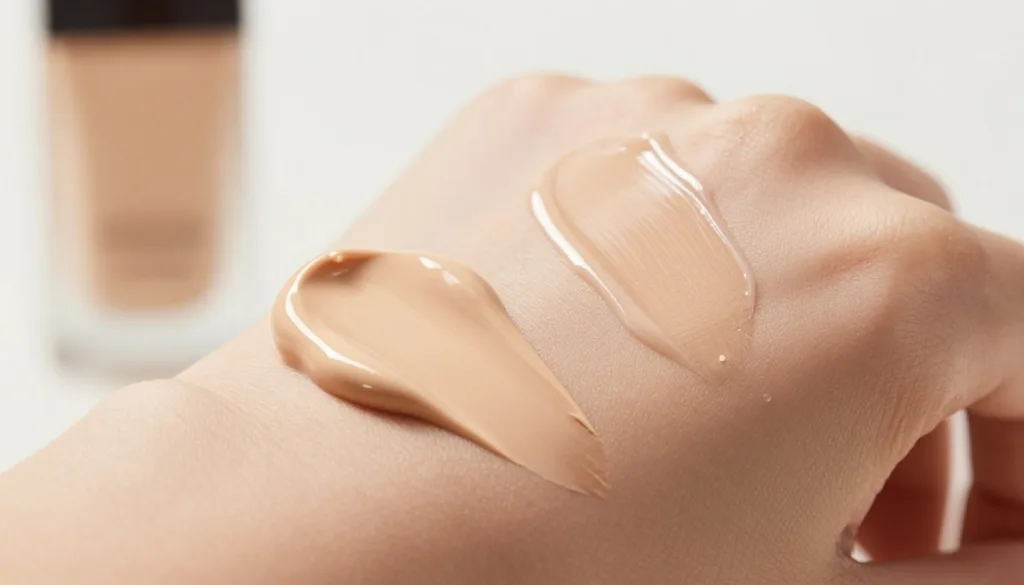
Liquid foundation is loved for its lightweight feel. It’s water or silicone-based, making it easy to apply. This is perfect if you want a natural, buildable finish that doesn’t feel heavy.
Many people like how well these formulas blend into the skin. You can get a seamless look with just your fingers, a damp sponge, or a synthetic brush. This lets you adjust the coverage from sheer to full, based on your day’s needs.
Common Drawbacks of Liquid Makeup
Even though they’re popular, liquid foundations have some downsides. Some use a lot of silicones for a smooth texture, which might not be for everyone. If you have sensitive skin, always check the ingredients for anything that might irritate you.
Another issue is that some liquid products can settle into fine lines or pores as the day goes on. This is more noticeable on dry skin or if you don’t set your makeup with powder. Using a good primer can help with this problem.
| Feature | Liquid Foundation | Cream Foundation |
|---|---|---|
| Texture | Fluid and lightweight | Thick and emollient |
| Coverage | Buildable (Sheer to Full) | High and opaque |
| Best For | Oily to Normal skin | Dry to Mature skin |
| Finish | Natural or Matte | Dewy or Satin |
Choosing between cream foundation vs liquid makeup depends on your skin type and desired look. By considering these points, you can pick what best enhances your natural beauty.
Pros and Cons of Cream Foundation
Choosing the right makeup base is all about knowing the perks of cream formulas. When you compare cream foundation vs liquid foundation, cream wins for its richer, more moisturizing feel. It’s perfect for a healthy, vibrant look.
Advantages of Cream Formulas
Cream-based products are known for their exceptional hydration. They’re full of oils and waxes that keep moisture in, great for dry or mature skin. Your skin will feel softer and look brighter all day.
Another big plus is the buildable coverage. The thicker texture lets you layer it without looking cakey. It gives a smooth, airbrushed look that lasts, keeping you polished for hours.
Common Drawbacks of Cream Makeup
Despite the benefits, there are downsides to cream foundation vs liquid makeup. One issue is blending. The dense formula needs careful buffing with a good brush or sponge to avoid sitting on the skin.
Also, watch the ingredients to avoid a heavy feel. Too many heavy waxes can be overwhelming on oily skin. Finding the right mix is essential for a comfortable, light feel.
| Feature | Cream Foundation | Liquid Foundation |
|---|---|---|
| Hydration Level | High | Low to Medium |
| Blending Effort | Moderate | Low |
| Finish | Dewy/Radiant | Matte/Natural |
| Best For | Dry/Mature Skin | All Skin Types |
Conclusion
Choosing the right base product can change your daily beauty routine. You now know how to compare different textures to find what works best for your skin.
Deciding between cream and liquid foundation depends on what you want. If you want a moist, dewy look for dry skin, try a rich cream from Laura Mercier. For a light, buildable look, liquid formulas from Estée Lauder or Fenty Beauty are great.
Think about your lifestyle when picking a foundation. Liquid foundations are easy to blend for quick mornings. Cream palettes are perfect for high-coverage looks at special events.
Finding the right foundation is a personal journey. Your skin type and coverage needs are key. Try different textures to see how they work with your skin and environment.
Listen to your gut when trying out these products. The best foundation makes you feel confident and comfortable. Enjoy finding the perfect makeup to match your style.