
“The best thing is to look natural, but it takes makeup to look natural.” — Audrey Hepburn
Welcome. This quick guide helps you pick the right shiny finish for daily wear or a night out.
Think of this product as a simple way to add sheen, comfort, or a hint of color. You can wear it alone or layer it over lipstick for depth.
Formulas vary: high-shine, plumping, tinted, and hydrating. Many modern options include hyaluronic acid, vitamin E, and natural oils like coconut or jojoba to keep lips soft.
Applicators and formats matter. Choose a wand (often doe-foot), a squeezable tube, or a solid pan based on how precise you want to be.
Finishes range from sheer glass to shimmer, glitter, frosted, and metallic. Some plumping types tingle briefly to boost fullness. Look for non-sticky claims and check for SPF or fragrance if you are sensitive.
Key Takeaways
- Gloss adds shine, comfort, and optional color—alone or layered.
- Pick a formula by goal: hydration, shine, tint, or plump.
- Formats (wand, tube, pan) affect ease and precision.
- Look for hyaluronic acid, vitamin E, and natural oils for comfort.
- Choose finish—sheer to metallic—based on daytime or evening looks.
- Check claims like non-sticky, long-wear, and SPF before buying.
What Is Lip Gloss? Definition, Uses, and Core Features
A lightweight sheen product gives lips real-time shine and subtle texture without heavy color.
Definition and purpose: A shine-forward cosmetic that can be sheer or lightly pigmented. It comes as a fluid or soft solid and ranges from translucent to opaque. Finishes include glossy, shimmer, glitter, frosted, and metallic.
Use it alone for a fresh, juicy look or layer it over lipstick to add depth and reflect light. Colored or glitter versions combine tint with sparkle, while clear versions simply boost shine.
Compare: balm vs. lipstick vs. topper
- Balm: Primarily care-focused — moisture and protection with minimal color or shine.
- Lipstick: Solid, high-pigment coverage for a more made-up, saturated finish.
- Topper: Sits between balm and lipstick — adds dimension and gloss without full coverage.
“Gloss often fills the in-between: a fresh aesthetic with weightless comfort and easy reapplication.”
Core features: shine-first finish, variable opacity, comfortable slip, and quick reapply for video calls, errands, or nights out.
Lip gloss: Types, Forms, Finishes, and Ingredients
Different formulas target shine, hydration, tint, or temporary fullness, so match the product to your goal.
Common types
High-shine gives a mirror-like, glassy finish for dramatic reflection. Use it when you want bold sheen for photos or nights out.
Tinted options add a sheer wash of color while keeping weight low. They’re easy for everyday wear and quick touch-ups.
Hydrating versions focus on nourishing ingredients to soothe dry areas. Pick these if your lips need moisture and comfort.
Plumping formulas create short-term fullness. They may tingle at first; the effect is temporary and often subtle.
Applicators and formats
Wand or doe-foot applicators provide precise, even coverage and are ideal for targeted application.
Squeezable tubes let you apply directly and quickly with less mess.
Solid or semi-solid pans feel like a balm and work well with fingertips or a brush for a softer finish.
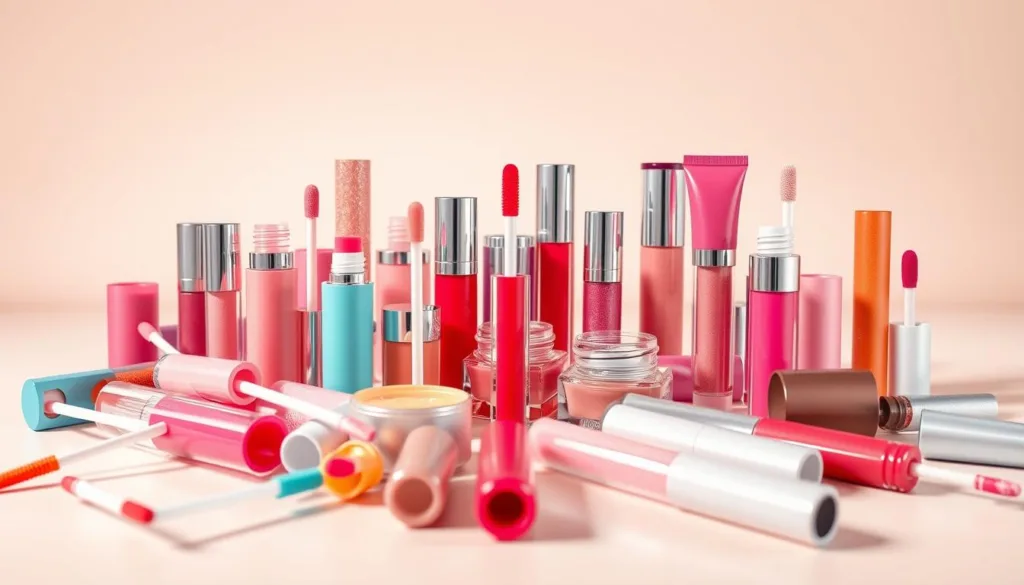
Finishes and opacity
Choose translucent for a subtle sheen, semi-sheer for a hint of color, or solid for stronger payoff.
Finish options include glossy, shimmer, glitter, frosted, and metallic — pick based on the look you want.
Key ingredients and safety
Common bases include lanolin for slip and polybutene for adhesion and shine. Modern formulas often add hyaluronic acid and vitamin E for hydration and antioxidant support.
Natural oils like coconut, jojoba, and avocado soften and condition. If you are sensitive, seek fragrance-free or non-tingling hydrating options and test a small patch first.
| Feature | Best for | Common ingredients | Notes |
|---|---|---|---|
| High-shine | Evening look, photos | Polybutene, lanolin | Mirror-like finish; may be sticky unless labeled non-sticky |
| Tinted | Everyday color | Reduced pigments, oils | Sheer coverage; easy for touch-ups |
| Hydrating | Dry or chapped lips | Hyaluronic acid, vitamin E, natural oils | Comfort-focused; gentle formulas available |
| Plumping | Short-term volume | Stimulants, peptides, oils | Temporary tingling; test if you have sensitivity |
How to Use and Choose Lip Gloss for Best Results
A little preparation goes a long way—smooth, hydrated lips make application easier and longer lasting.
Application basics
Prep: Gently exfoliate to remove flakes. Follow with a thin balm layer to hydrate and create an even surface.
Define edges with a matching or clear liner to add precision and help product stay put. Start applying from the center and sweep outward to avoid pooling at the corners.
Layering and wear tips
Build thin coats for longer wear—apply a small amount, blot, then add a second light layer. Thin layers reduce slipping and stickiness.
Layer over color to add shine and dimension. Mix finishes—clear over a cream shade for depth, shimmer over matte for evening glow. Highlight the cupid’s bow and center of the lower lip to boost perceived fullness.
What to look for when shopping in the U.S.
- Choose a finish that fits the occasion: sheer for daytime, high-shine for night.
- Check ingredients: hyaluronic acid, vitamin E, and natural oils for hydration and comfort.
- Prioritize claims like non-sticky texture, reasonable longevity, and fragrance-free if you have sensitivity.
- Look for added benefits such as SPF or formulas free from certain harsh chemicals.
“Keep a travel-friendly tube or wand on hand—reapplication every few hours keeps shine fresh and lips comfortable.”
Conclusion
Choosing the right finish and formula makes a quick routine look polished and intentional.
Keep it simple: pick between high-shine, tinted, hydrating, or plumping based on your goal. Formats like a wand, squeezable tube, or solid pan change how you apply and carry the product.
The main takeaway, balance finish, comfort, and ingredients — think lanolin or polybutene bases with hyaluronic acid and vitamin E for extra care. If you prefer a softer feel, seek non-sticky formulas and note plumping effects are temporary and may tingle.
Prep, layer lightly, and reapply as needed. With these tips, U.S. shoppers can find a product that fits daily wear or special occasions and keeps lips comfortable and camera-ready.