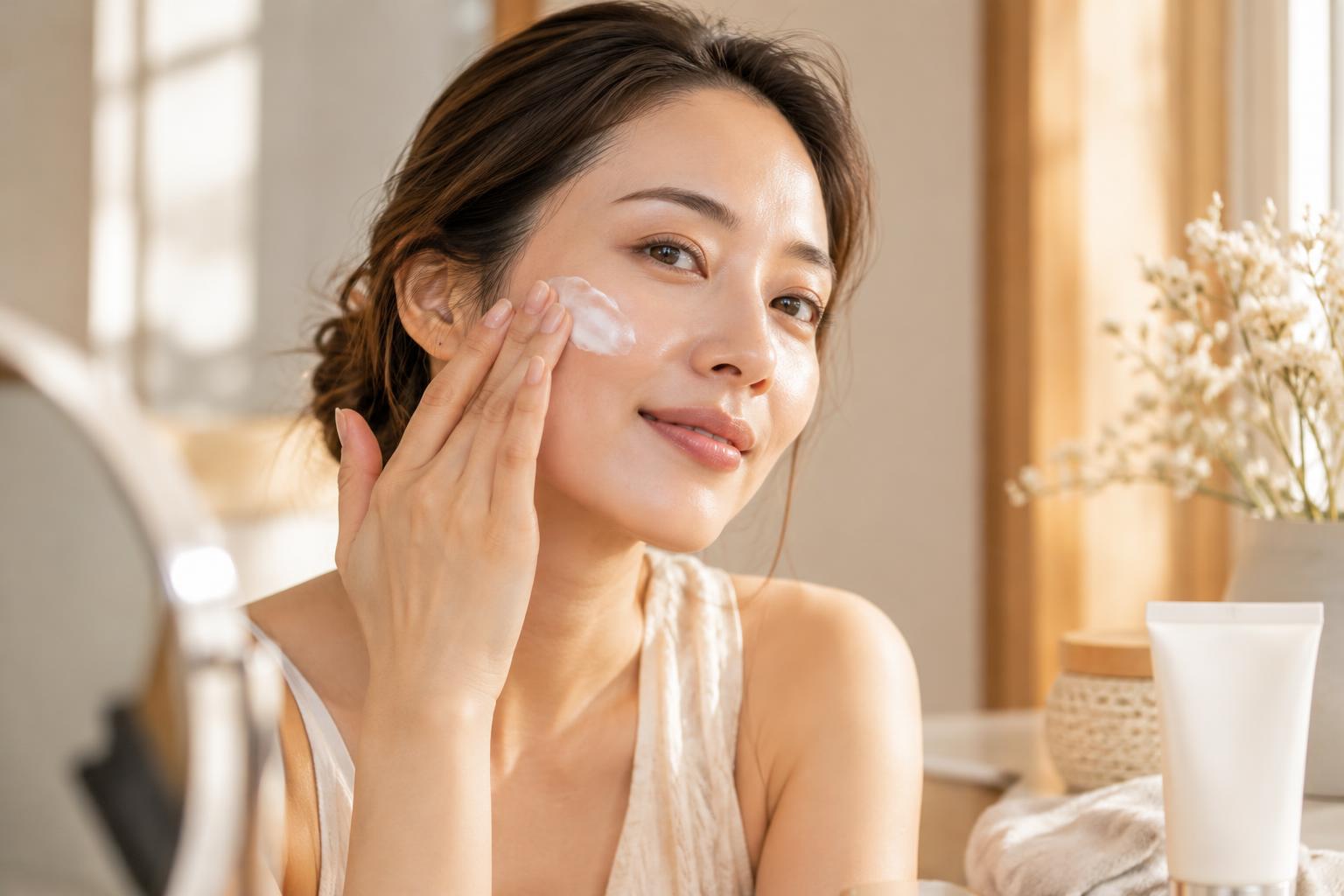
To reapply sunscreen over makeup with less smudging, gently press a sunscreen lotion or fluid onto your skin in small sections instead of rubbing. Reapply at least every two hours while outdoors and after swimming, sweating, or towel-drying as directed on the label; powders and mists are harder to apply generously and evenly.
When Do You Need to Reapply Sunscreen?
Reapplication matters when you’re spending time in the sun, whether that means lunch on a patio, an outdoor wedding, or an afternoon walk. Morning sunscreen isn’t an all-day pass, even when your foundation still looks fresh.
- While outdoors: Reapply at least every two hours, following your sunscreen’s directions.
- After swimming or sweating: Follow the label’s reapplication instructions. Water-resistant sunscreens specify 40 or 80 minutes of water resistance; they aren’t waterproof.
- After towel-drying: Reapply immediately.
- After wiping or rubbing your face: Touch up areas where sunscreen may have been removed.
A day spent away from windows indoors is different from two hours outside. Consider your actual exposure, including time near sunny windows, and refresh sunscreen before heading outdoors if your earlier application is old or has been disturbed.
Choose a broad-spectrum SPF 30 or higher, and apply it before sun exposure according to the label—commonly 15 minutes beforehand. Shade, sunglasses, and a broad-brimmed hat provide additional protection.
Start With Sunscreen Under Your Makeup
The easiest touch-up starts with a proper morning application. Apply sunscreen generously and evenly after skincare and before makeup, covering your face, ears, neck, and other exposed skin. Let it settle before layering foundation.
SPF foundation or tinted moisturizer only provides its labeled protection when applied at the amount used for SPF testing. A sheer makeup application may not deliver that protection, so don’t assume it replaces a dedicated sunscreen step. SPF numbers also don’t add together: SPF 30 sunscreen plus SPF 15 foundation does not equal SPF 45.
How to Reapply Sunscreen Over Makeup Step by Step
1. Blot gently before adding anything
With clean hands, press a tissue or blotting paper lightly over excess oil. Don’t drag it across your cheeks or scrub around your nose. If you’re sweaty, move somewhere cooler and let your skin dry before applying sunscreen.
2. Choose a lotion or fluid you can spread evenly
A familiar sunscreen is a sensible starting point: you already know whether it stings your eyes or feels uncomfortable. A fluid may be easier to distribute over makeup, while a cream may offer more cushion, but compatibility varies by formula and base products.
Try the combination on a low-stakes day. There’s no guaranteed smudge-free pairing, and a sunscreen that works beautifully on bare skin can still pill over foundation.
3. Press it on in small sections
Dispense sunscreen onto clean fingertips, then distribute it over one area at a time using gentle pats and short, light spreading motions where needed. Work across your forehead, cheeks, nose, and chin, including exposed areas around your hairline and jaw.
The goal is an even, generous layer—not a few decorative dots. You can apply the necessary amount in several passes to reduce dragging, but splitting it into passes doesn’t mean using less overall. Follow the product’s directions rather than shrinking the amount to preserve your makeup.
4. Let it settle, then repair your base
Avoid immediately buffing foundation or powder over the fresh sunscreen. Once it has settled, touch up only where necessary with light taps. Some movement or a change in finish is normal; keeping every bit of coverage intact matters less than applying sufficient sunscreen.
Which Application Method Is Best Over Makeup?
Clean fingertips: the most straightforward option
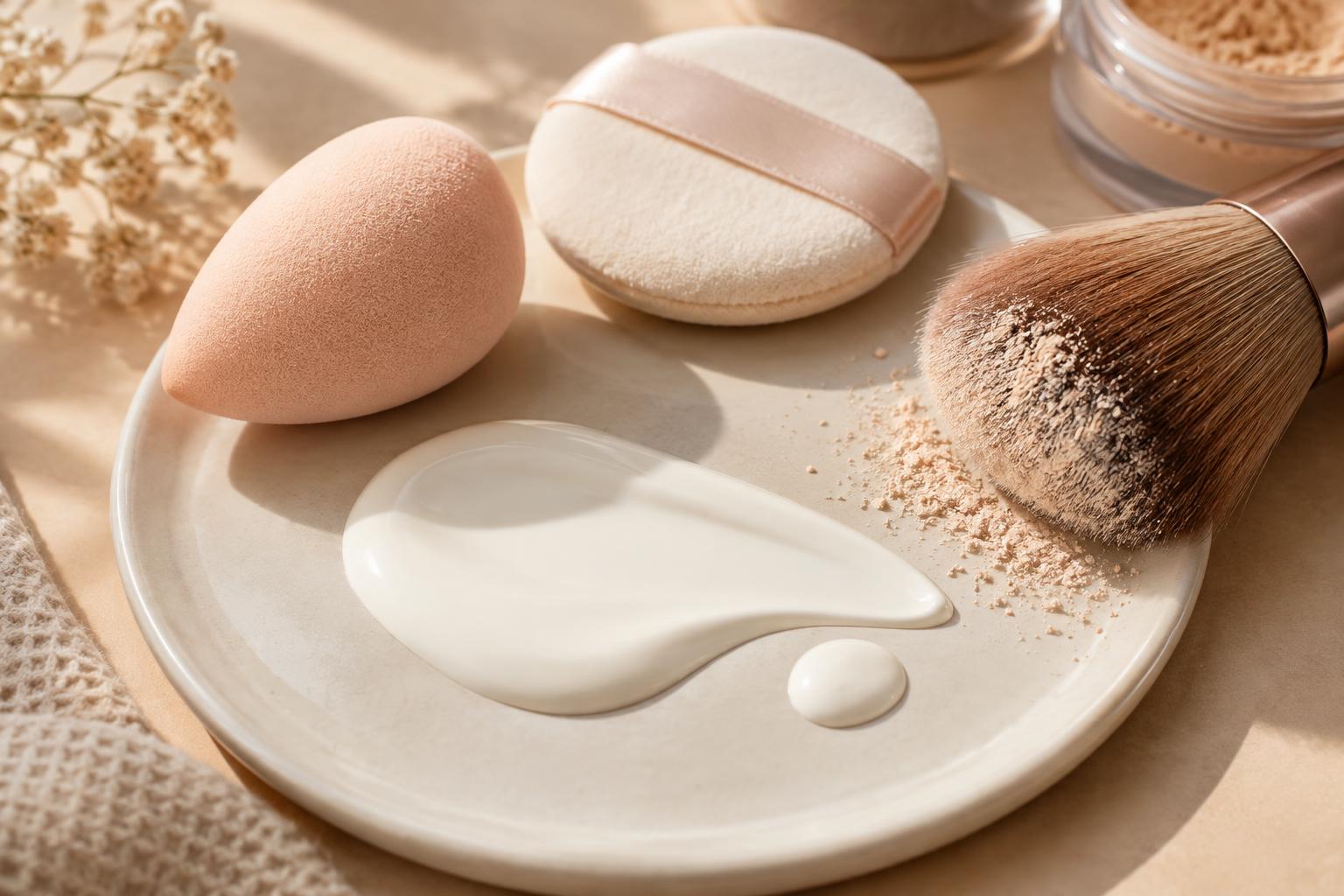
Fingertips let you control placement without losing product inside a sponge or brush. Press rather than massage, and avoid repeatedly working the same spot. This approach can still shift makeup, especially around the nose and under the eyes.
A sponge or cushion puff: gentle, but watch product loss
A clean, soft sponge or puff can help distribute sunscreen with a pressing motion. However, the tool may absorb some product, making it harder to know how much reaches your skin. Don’t assume a few sunscreen-soaked taps deliver the labeled SPF.
Avoid bouncing aggressively or repeatedly blending until the sunscreen seems to disappear. If using a tool makes it difficult to apply enough, switch to your hands or redo the affected makeup.
Sunscreen sticks: convenient, but prone to dragging
A stick is portable, but swiping it directly over foundation can lift pigment. A quick swipe can also leave missed areas or too little product. Follow its application directions, and remember that even coverage may require spreading afterward—another opportunity to disturb your base.
Why SPF Powders and Mists Are Tricky
SPF powder isn’t a reliable light-dusting shortcut
Powder sunscreen can reduce shine and feels convenient over makeup. The challenge is quantity: a cosmetic dusting may be far less than the amount needed to achieve the labeled SPF, and brush application can leave uneven coverage.
Think of powder as an optional addition, not a reason to skip a generous sunscreen reapplication. Avoid inhaling loose powder and follow the product’s directions.
Sunscreen mist can miss more than you think
A fine mist may look makeup-friendly, but a brief spritz doesn’t establish that you’ve applied enough. Spray can drift away, coverage can be patchy, and product directions may require rubbing it in.
Don’t spray aerosol sunscreen directly onto your face or inhale it. Follow the label; facial application commonly means spraying onto your hands first, then applying. That removes much of the supposed no-touch advantage.
FAQ
Can I reapply sunscreen without ruining foundation?
You can minimize disruption by gently pressing on lotion or fluid sunscreen instead of rubbing. Some formulas will still move your base. If you can’t apply enough evenly, removing and redoing some makeup is the better option.
Is a setting spray with SPF enough?
Not automatically. Its protection depends on applying the labeled amount evenly and following all directions. A few finishing spritzes may not be sufficient, and you should avoid inhaling the spray.
Do I need sunscreen touch-ups every two hours indoors?
Not every indoor situation involves the same exposure. Consider time near sunny windows and outdoor trips, and follow your sunscreen’s label. The two-hour reapplication advice is especially important while outdoors.
What if I’m wearing heavy makeup for an outdoor event?
Plan for sunscreen touch-ups and bring a small makeup repair kit. If your base prevents generous, even reapplication, simplify or redo it. Use shade and a broad-brimmed hat rather than relying on makeup-friendly SPF shortcuts alone.