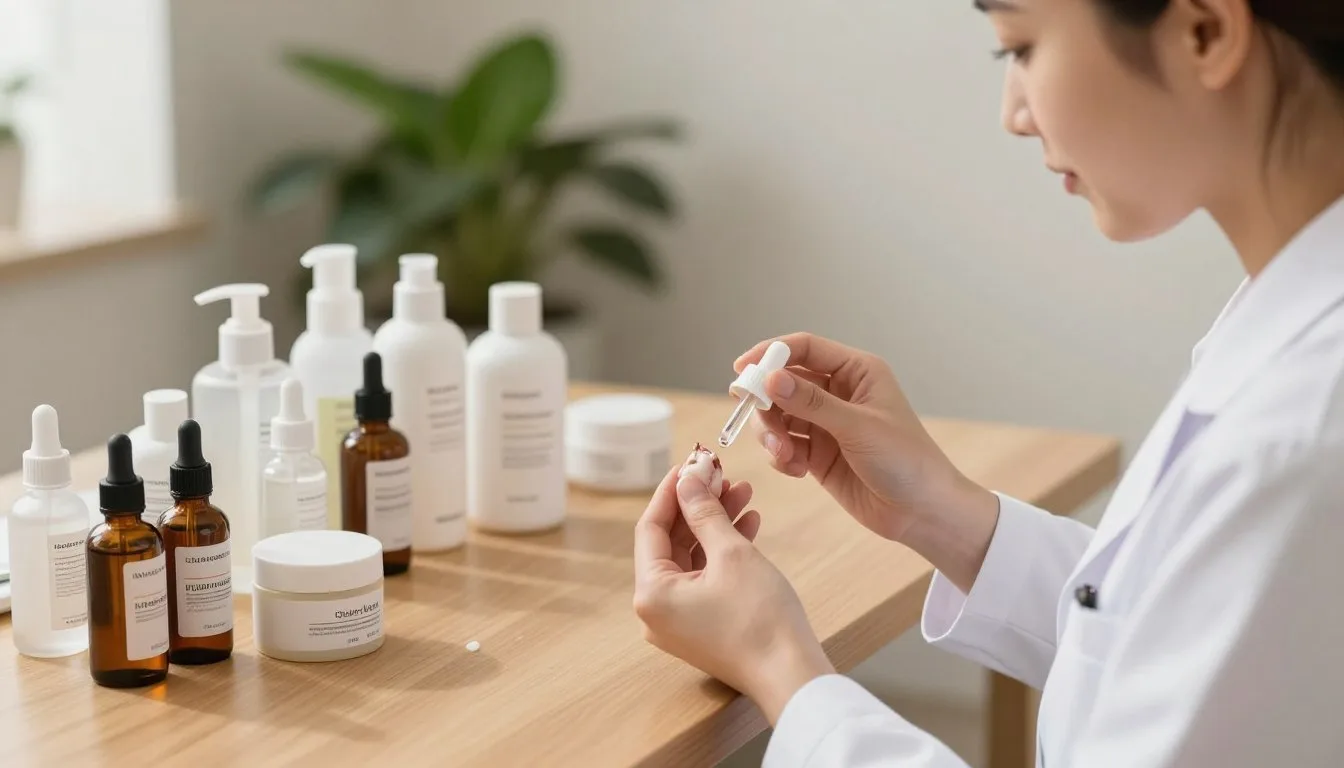
Does your face sting when you put on your favorite serum? If it feels tight, flaky, or super sensitive, your moisture mantle might be damaged. This layer protects you from bad stuff outside, keeps moisture in, and keeps your skin healthy.
Do not panic. Most people can get their glow back with the right steps. Learning how to repair a damaged skin barrier is a journey to better skin health. By finding out what’s causing the irritation, you can start a gentle fix that avoids harsh stuff.
This guide is a simple roadmap for your skin’s recovery. We’ll look at how to fix damaged skin with methods backed by science. You deserve a calm, moist face, and this guide will help you get there.
Key Takeaways
- The moisture mantle protects you from bacteria and environmental stress.
- Common signs of irritation include stinging, redness, and persistent dryness.
- Over-exfoliation and harsh cleansers are frequent culprits for surface damage.
- Recovery requires a simplified routine focused on hydration and soothing ingredients.
- Consistency is the most important factor for long-term restoration.
Understanding the Skin Barrier and Its Function
Think of your skin as a sophisticated brick wall. Every part works together to keep you safe and healthy. This system is your body’s first defense against the outside world. When you focus on skin barrier function, you’re strengthening the wall that keeps your skin looking great.
What Is the Stratum Corneum?
The stratum corneum is the outermost skin layer, often called the “bricks and mortar” of your epidermis. The “bricks” are your skin cells, and the “mortar” is made of lipids like ceramides and cholesterol. This structure is key when you start skin barrier repair.
Without this tight structure, your skin loses water fast and becomes open to threats. Keeping this layer tight is vital for a healthy skin barrier that feels smooth and strong. By supporting these lipids, your skin stays strong and can repair itself.
Why Your Skin Barrier Matters for Overall Health
Your skin barrier is a vital shield that keeps moisture in and bad stuff out. When it works right, your skin stays soft and protected from pollution and harsh weather. If you ignore this layer, your skin can get dry, sensitive, and inflamed.
Knowing these basics is the first step to fixing your skin barrier and keeping your skin healthy. A healthy skin barrier is the base of good skincare, letting your products work better. Here’s how your skin behaves in different states.
| Feature | Healthy Barrier | Compromised Barrier |
|---|---|---|
| Moisture Levels | Balanced and hydrated | Dehydrated and tight |
| Sensitivity | Resilient to products | Prone to stinging/redness |
| Texture | Smooth and soft | Rough or flaky |
| Protection | Blocks irritants | Allows allergens to enter |
Identifying Signs of a Compromised Barrier
Knowing the signs of a damaged skin barrier helps you change your sensitive skin care routine early. Your skin shows distress through small changes you might miss. By noticing these signs, you can start to fix your skin’s natural glow.
Common Physical Symptoms
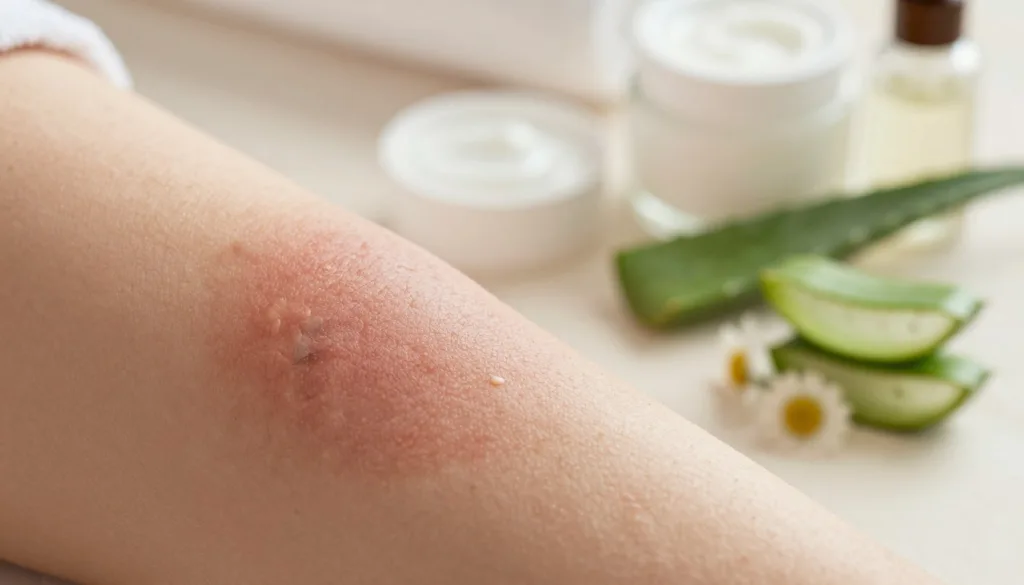
When your skin’s outer layer is damaged, it can’t hold moisture well. This leads to visible signs that are easy to spot if you know what to look for. Look out for:
- Persistent dryness that doesn’t get better with regular moisturizers.
- Visible flaking or rough patches on the skin’s surface.
- Unexplained redness or blotchiness on the cheeks and nose.
- More frequent breakouts or clogged pores.
How Your Skin Feels When the Barrier Is Weak
What you see in the mirror isn’t the only clue to your skin’s health. The way your skin feels is also important. A weak barrier can make your skin uncomfortable, even with products you used before.
It might feel stinging or burning when you apply your favorite products. This is a sign of a damaged skin barrier. Your face might feel tight after washing, like it’s too small. Using gentle sensitive skin care is key to soothing this and preventing more inflammation.
| Symptom | Physical Appearance | Sensory Feeling |
|---|---|---|
| Mild Damage | Slight dullness | Occasional tightness |
| Moderate Damage | Visible flaking | Stinging upon application |
| Severe Damage | Persistent redness | Constant burning or itching |
Common Culprits Behind Skin Barrier Damage
If you’re wondering how to fix damaged skin, start by checking your routine. Your skin is like a shield, but some things can hurt it. Knowing what causes damage helps you fix it.
Over-Exfoliation and Harsh Cleansers
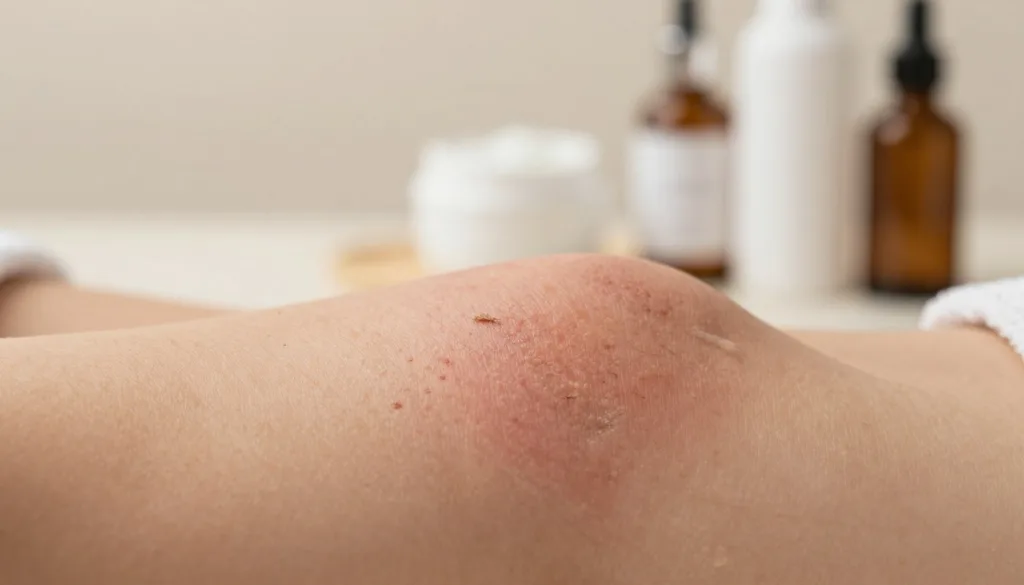
Using too-strong products can hurt your skin. Things like strong acids or rough scrubs take away the oils your skin needs. This makes it hard for your skin to keep moisture and fight off bad stuff.
Removing these oils means your skin can’t keep itself moist or protect against irritants. Here are some common mistakes that can irritate your skin:
- Using high-concentration AHAs or BHAs more than twice a week.
- Scrubbing the face with harsh, walnut-based physical exfoliants.
- Cleansing with soaps that have a high pH, which disrupts the skin’s acid mantle.
Environmental Factors and Lifestyle Triggers
Things outside your skincare routine also affect your skin. Dry air or too much sun can weaken your skin’s shield. Even just washing your face with very hot water can dry it out.
Things like synthetic fragrances and preservatives in household items can also cause inflammation. To fix damaged skin, look at these lifestyle factors:
- Hot water: Always use lukewarm water to keep your skin’s natural oils.
- Fragrances: Choose fragrance-free cleansers to avoid skin irritation.
- Climate: Use a humidifier in dry places to keep your skin moist.
Knowing what hurts your skin is key to fixing it. Making small changes can help your skin heal and stay healthy.
How to Repair a Damaged Skin Barrier: A Step-by-Step Routine
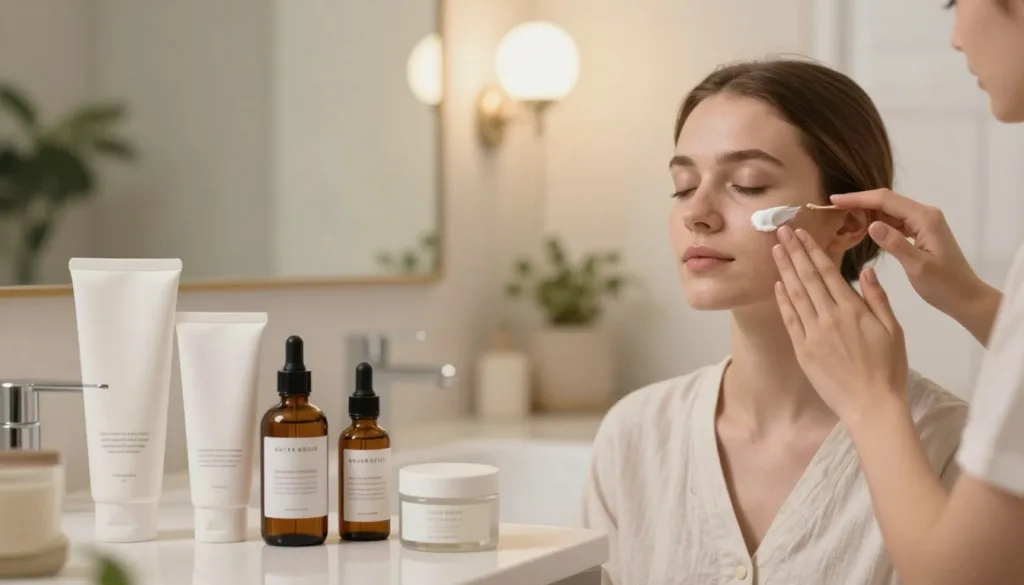
To fix a damaged skin barrier, start with simple daily habits. A minimalist approach helps your skin regain its strength. Focus on keeping it hydrated and protected to make your skin comfortable again.
Step One: Simplify Your Cleansing Routine
When your skin feels tight or irritated, stop using harsh cleansers. Use a gentle, non-foaming cleanser that matches your skin’s pH. This change helps repair skin barrier health by preventing dryness during washing.
Step Two: Apply Hydrating Serums on Damp Skin
To repair skin barrier fast, keep your skin moist. Apply hydrating serums right after bathing or washing your face. This traps moisture in your skin, giving it the hydration it needs.
Step Three: Seal in Moisture with Barrier-Supporting Creams
After applying serum, use a rich moisturizer. A good skincare routine needs these creams to protect your skin. Look for products with lipids or fatty acids to fix your skin’s outer layer.
Step Four: Protect Your Skin with Daily SPF
Protecting your skin from the environment is key. Use a mineral-based sunscreen in your skin barrier routine to block UV rays. Daily SPF use keeps your skin healthy and resilient.
Essential Ingredients for Barrier Restoration
When your skin feels sensitive and raw, the right ingredients are key. Choosing the right products for skin barrier repair is important. This helps soothe irritation and rebuild your skin’s natural defenses.
The Role of Ceramides and Squalane
Ceramides are the building blocks of your skin’s protective seal. They, along with cholesterol and fatty acids, fill gaps in your damaged moisture barrier. Using barrier repair products with these ingredients patches your skin’s armor.
Squalane is another powerful ingredient that mimics your skin’s natural oils. It provides deep nourishment without feeling heavy or greasy. These lipids help restore the structural integrity of your complexion, preventing further water loss.
Hydration Heroes: Hyaluronic Acid and Glycerin
Deep hydration is vital when your skin is vulnerable. Humectants like hyaluronic acid and glycerin attract moisture. They keep your skin plump and hydrated all day.
These ingredients are gentle for even the most reactive skin types. They support the natural healing process by keeping hydration levels optimal. Regular use of these humectants is key to effective skin barrier repair.
Soothing Agents: Panthenol and Colloidal Oatmeal
If your skin is inflamed or itchy, you need ingredients for quick relief. Panthenol, also known as Vitamin B5, calms redness and promotes skin recovery. It strengthens the skin’s surface and soothes it.
Colloidal oatmeal is another classic ingredient for reducing discomfort. It creates a protective film over the skin, locking in moisture and shielding you from environmental irritants. Adding these soothing agents to your barrier repair products helps you regain comfort and health faster.
Ingredients and Habits to Avoid During Healing
Healing your skin means paying attention to what you remove from your routine. When your moisture barrier is damaged, your skin reacts more to substances. Practicing sensitive skin care means keeping things simple to help your skin heal.
Active Ingredients to Pause
Chemical exfoliants and anti-aging treatments often cause irritation. You should stop using retinol, retinoids, and strong alpha-hydroxy acids like glycolic or lactic acid. These ingredients make your skin shed cells too fast, which is hard on a damaged skin barrier.
By not using these, your skin can work on fixing its lipid layer. Use gentle barrier repair products instead. When your skin is strong and hydrated again, you can start using these ingredients again, one at a time.
Physical Scrubs and Irritating Fragrances
Physical exfoliation, like walnut scrubs or harsh brushes, can damage your skin. It makes your skin weak and lets bacteria in. It’s important to avoid these until your skin feels smooth again.
Also, check your products for synthetic fragrances, denatured alcohol, and harsh preservatives. These can make your skin sting or turn red. Choose fragrance-free, hypoallergenic products to avoid setbacks and keep your healing on track.
Lifestyle Habits That Support Long-Term Skin Health
Topical products help, but true skin health starts from within. Your skincare routine is just one part. Daily habits are key to helping your body repair and protect itself.
The Importance of Hydration and Nutrition
What you eat affects your skin’s quality. Drinking enough water keeps your cells hydrated. This is key for elastic skin.
A diet full of antioxidants and healthy fats boosts your skin’s defenses. Foods like avocados and leafy greens give your skin the fatty acids it needs. These nutrients help keep your healthy skin barrier strong against harm.
Managing Stress and Sleep for Skin Recovery
Too much stress can cause inflammation and breakouts. It weakens your skin’s healing power. Taking time to relax is vital for your skincare routine.
Good sleep is also essential. It’s when your skin regenerates and heals from pollution. Getting enough consistent rest helps your skin stay healthy and resilient.
Setting Realistic Expectations for Your Recovery Timeline
While you might want to repair skin barrier fast, true restoration takes time. Your skin needs gentle care to heal right. Rushing to fix it can cause more harm, so be patient.
What to Expect in the First Week
In the first week, calm inflammation and stop damage. Your skin might feel less tight or itchy without harsh products. You might see a bit less redness, but it’s okay if it’s sensitive.
Don’t expect a full change right away. Many see visible improvement in a few weeks with gentle care. Keep your routine simple and avoid harsh ingredients.
Long-Term Maintenance for a Resilient Barrier
When your skin feels balanced, move to maintenance mode. This phase protects your progress and prevents new issues. Keep up with hydration and sun protection as key habits.
Think of skincare as a long-term investment in your health. Use gentle cleansers and moisturizers to keep your skin strong. Staying consistent will keep your skin healthy and glowing for years.
Conclusion
Healing your skin is a journey that brings lasting comfort and better hydration. You have the power to change your skin by focusing on gentle habits and quality care.
By sticking to a simple routine, your skin’s barrier function can get stronger. Choosing products from brands like CeraVe or La Roche-Posay helps your face thrive.
Consistency is key. Paying attention to your skin’s moisture every day keeps it strong against the environment.
Be proud of your progress every day. Your hard work leads to a healthy, glowing face that lasts. Enjoy the journey to better skin health and the confidence that comes with it.