The COVID-19 pandemic changed how we see and interact with beauty. With the world locked down, people could explore beauty on their own terms. This allowed for a deeper dive into personal beauty.
This shift made beauty culture more about choice than duty. The beauty industry saw big changes, with new trends and standards emerging.
The makeup evolution shows how the beauty industry updates are moving towards flexibility and individuality.
Key Takeaways
- The pandemic has accelerated the personalization of beauty.
- Beauty standards are becoming more flexible and diverse.
- The makeup industry is evolving to cater to individual preferences.
- There’s a growing emphasis on self-care and personal expression.
- Beauty trends are now more influenced by personal choice than societal norms.
The Transformation of Beauty Culture
The idea of beauty has changed a lot. Now, it’s more about being true to oneself than chasing perfection. This change shows in how we do makeup and beauty routines. We focus more on being ourselves and accepting who we are.
The Shift from Perfection to Authenticity
Old beauty standards focused on flawless skin and perfect makeup. But now, we’re moving towards a more natural and easy look. Aishwaria, 26, says she stopped trying to look perfect because she realized her skin is beautiful just the way it is.
This change is about accepting ourselves and rejecting fake beauty ideals. It’s about embracing our natural beauty and feeling good about who we are.
How the Pandemic Reshaped Our Relationship with Makeup
The COVID-19 pandemic changed the beauty world a lot. Lockdowns and social distancing made makeup sales drop. But, this also made people think differently about beauty.
Now, there’s more focus on skincare and self-care. People are interested in cosmetic innovations 2020 like at-home beauty tools and custom skincare. This shows a shift in how we see beauty and how we take care of ourselves.
| Trend | Description | Impact |
|---|---|---|
| Authenticity | Embracing natural features | Reduced emphasis on perfection |
| Skincare-first approach | Prioritizing skincare over makeup | Increased demand for skincare products |
| Personalization | Seeking personalized beauty products | Rise of at-home beauty devices |
Defining Makeup in the 2020s: A Revolution in Self-Expression
Makeup in the 2020s is more than just beauty. It’s a way to express oneself and show who you are. The decade has changed how we see and use makeup. Now, it’s all about being personal and diverse.
Breaking Free from Traditional Beauty Rules
The 2020s have broken free from old beauty rules. People are now more open to trying new things with makeup. They feel free to challenge what was once considered normal.
Key trends include:
- Embracing bold and unconventional makeup looks
- Experimenting with a wide range of colors and textures
- Using makeup as a means of self-expression and storytelling
The Rise of Individualized Beauty
Beauty in the 2020s is all about being unique. Social media has made it easier for people to find products that let them show their true selves.
Experimental Looks Going Mainstream
Experimental makeup is now everywhere. It’s because more people are okay with different beauty standards. They want to express themselves in new ways.
Makeup as Personal Storytelling
Makeup is becoming a way to tell your story. It lets people share their feelings, beliefs, and experiences through their looks.
| Trend | Description | Impact |
|---|---|---|
| Experimental Looks | Bold and unconventional makeup styles | Increased creativity and self-expression |
| Personalized Beauty | Tailored makeup approaches for individual identities | Enhanced personal confidence and identity |
| Storytelling through Makeup | Using makeup to convey personal stories and emotions | Deeper connection between makeup and personal identity |
Social Media’s Powerful Influence on Beauty Standards
In the 2020s, social media has changed beauty culture a lot. It’s now how we see and interact with makeup. Sites like TikTok are key in the beauty world, setting trends and shaping what we buy.
TikTok Beauty Trends Transforming the Industry
TikTok has changed how beauty trends start and grow. Its huge user base and smart content system make it perfect for viral makeup trends. This has a big impact on makeup influences in the 2020s.
Viral Makeup Challenges and Their Impact
Viral makeup challenges on TikTok are big for beauty blog trends. Trends like “glass skin” get people to share their makeup, affecting millions.
Algorithm-Driven Beauty Discovery
TikTok’s smart system helps find new beauty content. It shows users what they’ll like, making it easy to find new makeup and products. This fits with the makeup trends 2020 focus on personal beauty.
The Push for Unfiltered Authenticity Online
The beauty world on social media wants real, true beauty. People want genuine, unedited content that shows natural beauty. This move away from fake, perfect posts is big.
This push for realness is seen in “no-makeup makeup” trends and using simple, natural products. It’s all about looking good without trying too hard, thanks to makeup influences in the 2020s.
The Inclusivity Revolution: Makeup for Everyone
In the 2020s, the makeup industry is changing fast. It’s focusing more on inclusivity and diversity. This change comes from people wanting products that look like them and a broader idea of beauty.
Expanded Shade Ranges and Representation
There’s a big push for more shades in makeup. This isn’t just about adding more products. It’s about celebrating the diversity of skin tones.
Brands are working hard to offer products for all skin tones. This means everything from the lightest to the darkest shades.
Social movements like #BlackLivesMatter have made a big impact. Brands are now tackling colorism and promoting diversity. For example, Unilever changed Fair & Lovely to Glow & Lovely to be more welcoming.
| Brand | Initiative | Impact |
|---|---|---|
| Unilever | Rebranding Fair & Lovely to Glow & Lovely | Removing “fair” to promote inclusivity |
| Shaadi.com | Removing skin tone filter | Promoting equality in matchmaking |
Gender-Inclusive Beauty Going Mainstream
Gender-inclusive beauty is becoming more common. The industry is moving away from old gender norms. It’s embracing a more fluid view of beauty and personal expression.
Men in Makeup: Normalizing Male Beauty
There’s less shame around men wearing makeup now. This change is thanks to society’s views shifting and social media. Male beauty influencers are becoming more popular.
Non-Binary Beauty Expressions
Non-binary people are seeing more products made for them. Brands are starting to recognize the diversity of gender identities. They’re offering products that go beyond traditional gender norms.
The beauty industry’s future is all about being inclusive and diverse. As it keeps growing, we’ll see even more products and marketing that serve a wide range of people.
Sustainability Reshaping Beauty Consumption
More people are thinking about the planet, and the beauty world is changing. It’s moving towards green, eco-friendly options. This big change is how beauty products are made, packaged, and used.
Eco-Conscious Formulations and Packaging
The beauty industry is now using natural, biodegradable ingredients. This makes products better for skin and the planet. Eco-friendly packaging is also on the rise, with less plastic and more recyclable materials.
People want products that work well and are good for the Earth. This has sparked the clean beauty movement. It focuses on using safe, sustainable ingredients in beauty products.
The Clean Beauty Movement’s Evolution
The clean beauty movement is growing fast. Brands are always finding new ways to make products safer and more eco-friendly. A big part of this is transparency in ingredient sourcing.
Transparency in Ingredient Sourcing
People want to know where their beauty products come from. Brands are now sharing more about their ingredients. This builds trust and makes the industry more accountable.
Waterless Beauty Products on the Rise
Waterless beauty products are becoming popular. They’re made without water, so they need less packaging. This cuts down on waste and helps the environment.
The beauty industry’s move towards sustainability is a good thing. It’s because of people wanting greener choices. As this trend grows, we’ll see even more creative, eco-friendly beauty solutions.
Technology and Digital Innovation in Cosmetics
Technology is changing the cosmetics world. It brings AI for makeup tips and AR for virtual try-ons. This mix of tech and beauty is making shopping better and changing how companies work.
AI and AR Transforming Makeup Shopping
AI and AR are making makeup shopping different. AI gives you makeup tips based on what you like. AR lets you try makeup online, so you don’t need to buy it first.
Key benefits of AI and AR in makeup shopping include:
- Personalized product recommendations based on individual skin types and preferences
- Virtual try-on capabilities that reduce returns and increase customer satisfaction
- Enhanced online shopping experiences that simulate in-store interactions
Personalized Beauty Through Data and Tech
Data and tech are leading to personalized beauty. Companies use your data to make products just for you.
Custom-Formulated Products
Custom products are getting popular. They’re made just for you, based on your skin and what you like. This makes you happier and helps the planet.
Digital Skin Analysis Tools
Digital tools analyze your skin. They use AI to give you tips and product suggestions. 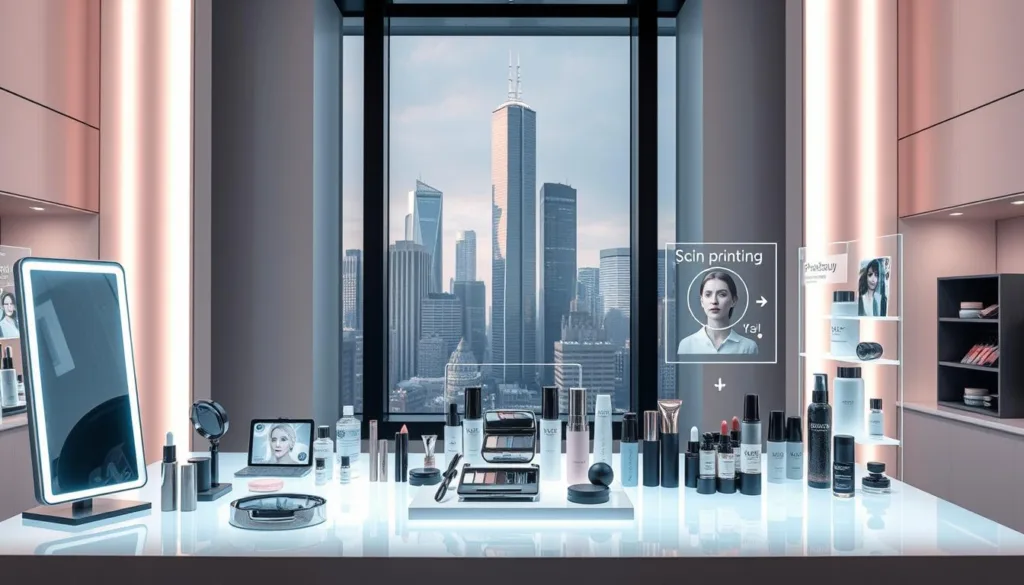
The cosmetics world is getting a tech makeover. It’s all about making beauty more personal, fun, and effective for you.
The Changing Consumer: New Priorities in Beauty
Makeup in the 2020s is changing, thanks to evolving consumer behavior. Today’s shopper is more informed and has different priorities. These changes affect what they buy in the beauty world.
Skincare-First Approach to Makeup
Now, people focus on skincare before makeup. They want healthy, glowing skin as a base. This shift is about simplicity and a natural look, with products that do both.
- People spend more on skincare that solves specific skin problems.
- Makeup is expected to have skincare benefits, like hydration or anti-aging.
- Products that are both skincare and makeup are becoming more popular.
Value-Based Purchasing Decisions
Today, beauty shoppers look beyond just what a product does. They care about the brand’s values, how it’s made, and if it’s sustainable.
Supporting Ethical Brands
More people choose brands that are kind to animals, use eco-friendly packaging, and source materials responsibly. This shows a desire to buy what aligns with their values.
The Decline of Brand Loyalty
Brand loyalty is fading in the beauty world. With so many options, people are open to trying new things. Online reviews and easy access to information help them make better choices.
Industry Disruption: New Players and Business Models
The beauty industry is changing fast with new players and business models. This change comes from how consumers behave and the growth of digital tech.
Celebrity and Influencer Brands Dominating the Market
Celebrity and influencer beauty brands are taking over. They use their fame to sell products. For example, Rihanna’s Fenty Beauty introduced a wide range of shades. Kylie Jenner’s Kylie Cosmetics is famous for its online marketing.
Other brands to watch include:
- Huda Kattan’s Huda Beauty, known for its high-quality products and massive social media following.
- Glossier, founded by Emily Weiss, which has become synonymous with minimalist, effective skincare and makeup.
Direct-to-Consumer Models Challenging Traditional Retail
Direct-to-consumer (DTC) models are shaking up traditional retail. They offer personalized experiences and products. Brands like Il Makiage and Rare Beauty by Selena Gomez use online quizzes and AI to connect with customers.
| Brand | DTC Strategy | Key Feature |
|---|---|---|
| Il Makiage | AI-driven product recommendations | Personalized foundation matching |
| Rare Beauty | Online quizzes | Mental health advocacy |
The rise of these new players and models shows a big change in the beauty industry. It’s moving towards being more inclusive, personalized, and tech-savvy.
Conclusion: The Future of Beauty in a Redefined Landscape
The 2020s have changed the beauty industry a lot. This change comes from new consumer habits, tech progress, and the pandemic’s effect on society. Understanding these shifts is key to defining makeup in the 2020s.
The pandemic, as novelist Arundhati Roy said, opened a new world. It made us rethink beauty and cosmetics. Now, the beauty world focuses more on being inclusive, green, and digital.
Cosmetic innovations 2020 and later have focused on beauty that’s made just for you. This is thanks to AI and AR. Also, there’s a push for products and packaging that are good for the planet. As people want real and open beauty, the industry is changing to meet these needs.
The beauty world’s future will mix tech, green living, and being unique. Brands that listen to what people want and adapt will do well in this new world.