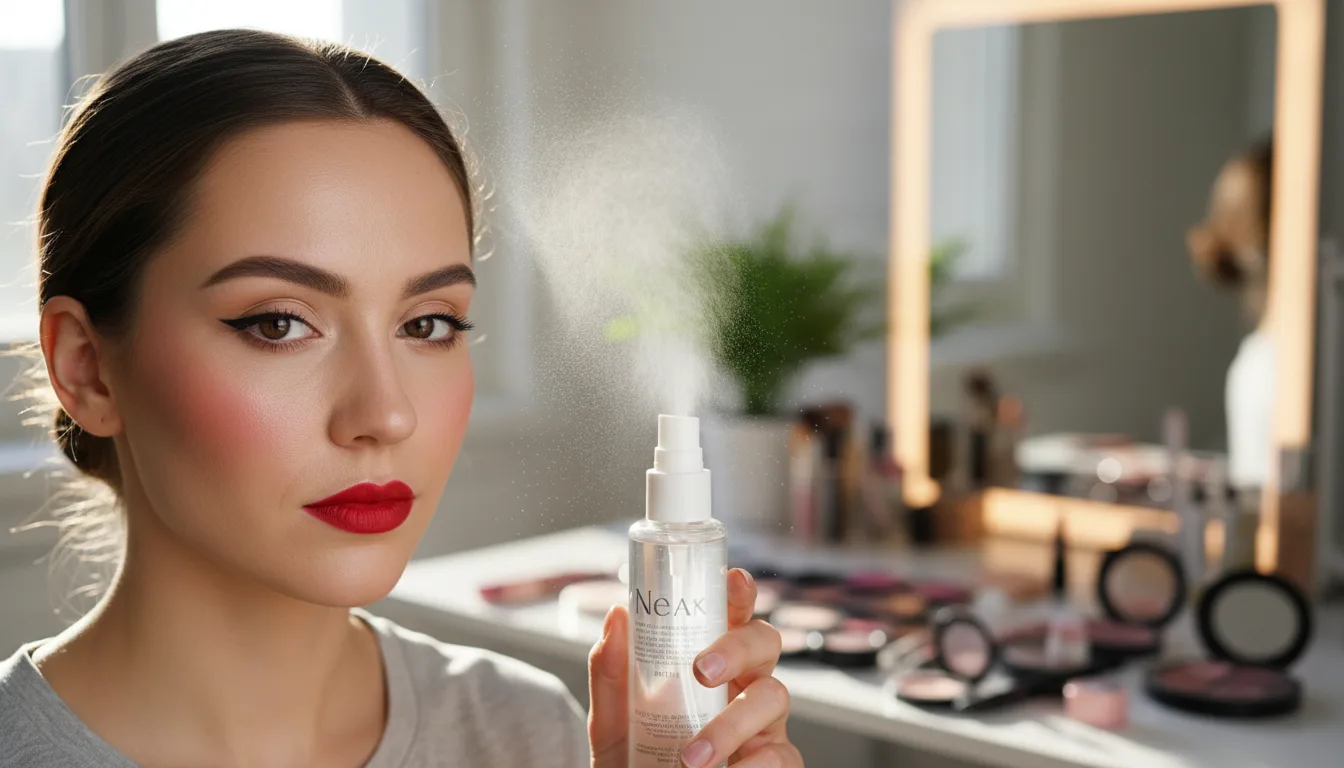
If your makeup looks great at 9 a.m. but fades by lunch, you’re not alone. Many people struggle with makeup fading quickly. The key to keeping your makeup in place is a smooth, well-prepped canvas.
The need for long-lasting cosmetics is growing in the U.S. The global anti-aging market, which includes long-wear products, was worth $38.62 billion in 2018. It’s expected to reach $60.26 billion by 2026. Often, staying power problems arise from not considering our skin type.
This guide will help you understand why makeup doesn’t last all day and provide solutions. Knowing how your skin reacts to different products is key. Let’s uncover the common reasons and find ways to keep your makeup looking fresh.
Key Takeaways
- Skin preparation is the most vital step for product longevity.
- Your specific skin type significantly impacts how long cosmetics remain visible.
- The global market for long-wear beauty products is growing rapidly.
- Excess oil and uneven texture are primary causes of early fading.
- Using the right primer creates a necessary barrier for all-day wear.
- Environmental factors in the United States can affect your daily look.
Why Your Makeup Doesn’t Last All Day: The Main Culprits
Knowing why your makeup doesn’t last is key to a long-lasting look. Several things can make your makeup fade fast. Finding out what they are is the first step to fixing the problem.
Your Skin Type Affects Makeup Longevity
Your skin type greatly affects how long your makeup stays on. Whether you have dry, oily, or combination skin, the right products and methods can help. For example, dry skin needs moisturizing products to avoid flakiness that can crack makeup. Oily skin needs products that control oil to prevent makeup from sliding off.
Oil Production Breaks Down Your Foundation
Too much oil can make your makeup fade quickly. When your skin produces a lot of oil, it can break down your foundation. This causes it to separate or fade. Using a primer and setting powder can help control oil and make your makeup last longer. Oil-control products are great for oily skin.
Layering Too Many Products Causes Separation
While layering products can be good, too much can cause problems. It’s important to find the right balance. Too many layers can make your makeup slide off or cake, shortening its life.
| Product Layering | Effect on Makeup Longevity |
|---|---|
| Primer + Foundation | Enhances durability |
| Excessive layering | Causes separation and reduces longevity |
| Setting Powder | Helps set the makeup for longer wear |
Climate and Humidity Impact Makeup Wear
Climate and humidity greatly affect how long your makeup lasts. High humidity can make makeup melt or become oily. Dry climates can cause dryness and flakiness. Knowing this can help you choose the right products and techniques for your environment. For example, waterproof or water-resistant products work well in humid conditions.
Mistakes That Make Your Makeup Fade Faster
Mistakes like not preparing your skin, using the wrong products, and not setting your makeup can all shorten makeup wear. Avoiding these mistakes and using the right techniques can improve makeup longevity.
By understanding and addressing these factors, you can make your makeup last all day. Learning how to make makeup last longer involves using the right products, techniques, and knowing your skin and environment.
How to Make Your Makeup Last Longer: Practical Solutions
The secret to long-lasting makeup is in how you prepare your skin and use setting products. To get a flawless look all day, start with a solid foundation.
Prepare Your Skin Properly Before Makeup Application
Before makeup, prepare your skin well. A good skincare routine is key to keeping makeup in place. Cleanse your skin thoroughly to remove dirt and impurities. Then, use a moisturizer that fits your skin type to hydrate.
Primer is also essential. It acts as a barrier between your skin and makeup. This makes your makeup apply more evenly and last longer.
Understanding the Role of Setting Products
Setting products are key to keeping your makeup on all day. They lock your makeup in place, stopping it from fading or getting oily.
How Primer Creates a Long-Lasting Base
A good primer can make your makeup last longer. It fills in pores and fine lines, making your skin smooth. This helps your makeup stay put and look fresh.
Setting Powder Controls Oil and Locks Makeup
Setting powder is used to set your makeup. It controls oil and keeps your makeup from getting greasy. It also locks your makeup in place, making it last longer.
Setting Spray Seals Everything in Place
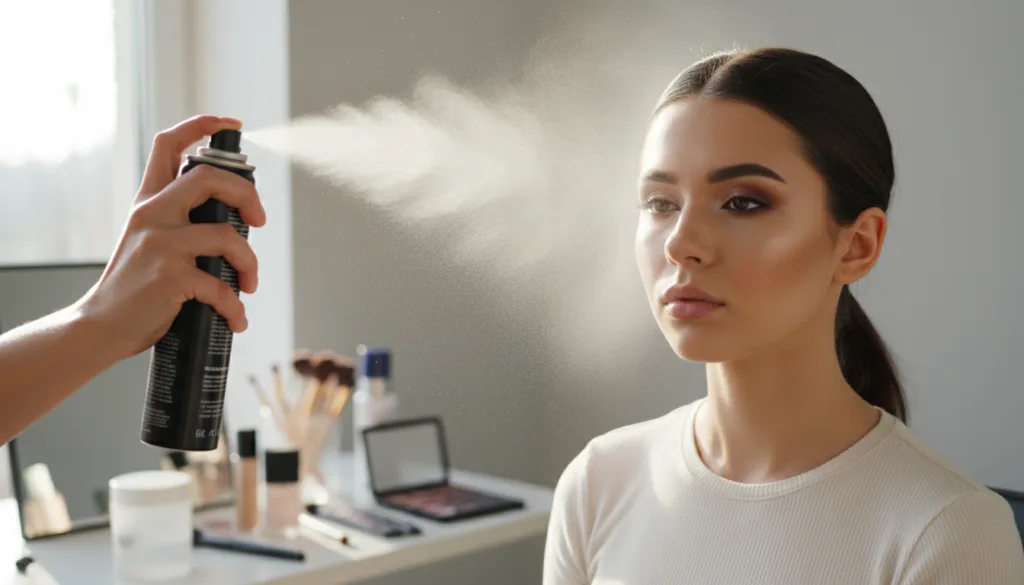
A setting spray is the last step in setting your makeup. It seals all your makeup layers, keeping them in place all day. This is great for humid or hot weather.
Step-by-Step Routine for All-Day Makeup Wear
Here’s a simple routine for all-day makeup:
- Cleanse and moisturize your skin.
- Apply a primer for a smooth base.
- Put on your foundation and concealer.
- Set your makeup with a setting powder.
- Finish with a setting spray to seal it all in.
| Product | Purpose | Benefits |
|---|---|---|
| Primer | Creates a smooth base for makeup | Improves makeup adhesion, fills pores and fine lines |
| Setting Powder | Sets makeup, controls oil | Prevents makeup from getting greasy, extends wear |
| Setting Spray | Seals makeup in place | Ensures long-lasting makeup, withstands humidity and heat |
Conclusion
Figuring out why your makeup doesn’t last all day is key to a flawless look. Your skin type, how oily it gets, and the makeup you use all matter. By getting your skin ready right and using the best products, you can make your makeup last longer.
To keep your makeup on all day, start with a good skin prep. Then, use setting products and apply makeup the right way. These steps will help you look fresh and polished all day long.
With the right skin care, makeup, and techniques, you can avoid constant touch-ups. Follow the tips in this article to solve makeup staying power issues. You’ll get the beautiful, lasting makeup look you’ve always wanted.