Have you heard of skinimalism? It’s a beauty trend that makes your skincare routine simpler. You use fewer products that are better and do more things.
The idea of skinimalism came up because of too many skincare products and steps. People are worried about their skin, don’t want to spend a lot, and want things to be easy. You’re not the only one looking for a simpler skincare way.
By going for skinimalism, you can avoid skin problems and get better results. The main idea is to use key products that do lots of things. This makes it simpler to get the results you want.
Key Takeaways
Simplify your skincare routine with fewer, high-performance products.
Reduce the risk of skin irritation with gentle, multifunctional products.
Achieve more effective results with a streamlined skincare approach.
Prioritize quality over quantity in your skincare products.
Focus on essential products that provide multiple benefits.
Understanding the Skinimalism Trend in Modern Skincare
More and more people are tired of complicated skincare routines. The skinimalism trend is becoming popular. It’s about keeping things simple and focusing on what really works.
What Is Skinimalism and Why It’s Gaining Popularity
Skinimalism means using a few, top-quality products for your skin. It’s about finding simplicity and effectiveness in your skincare. By cutting down your routine, you avoid irritation and get better results.
The Downsides of 10-Step Routines
The 10-step skincare routine is now seen as too much for many. It can cause skin irritation and sensitivity. It also wastes time and money. A simpler approach helps you save both and keep your skin healthy and glowing.
How to Build Your Minimal Yet Effective Skincare Routine
A simple skincare routine isn’t about using fewer products. It’s about choosing the right ones. Focus on essential products that do more than one thing. This way, you can keep your routine simple without losing effectiveness.
The Only 3 Products You Actually Need
A basic skincare routine needs just three things: a gentle cleanser to clean your skin, a multitasking serum or moisturizer to tackle specific issues, and sunscreen to shield from the sun. These three items are the backbone of a minimal skincare routine. They offer a balanced way to care for your skin.
Selecting Multi-Functional Formulas That Work Harder
When picking products, go for multi-functional formulas. These formulas do more in one step. For instance, a moisturizer with SPF keeps your skin hydrated and sun-protected. This makes your routine easier.
Creating Simple Morning and Evening Protocols
Having simple morning and evening routines is key. It keeps your skincare consistent and effective. In the morning, use a gentle cleanser, a multitasking product, and sunscreen for protection. At night, clean your skin well and apply a treatment product for your specific skin needs.
Tailoring Skinimalism to Different Skin Types
The skinimalist approach fits everyone differently. It’s all about knowing what your skin needs. This way, you can make your routine perfect for you.
Simplified Solutions for Oily Skin
For oily skin, a simple routine can help. Use a gentle, oil-free cleanser and a light moisturizer. This keeps your skin balanced. Look for “non-comedogenic” or “oil-free” products to prevent clogged pores.
Minimal Products for Dry Skin Types
Dry skin needs rich, non-greasy moisturizers. A simple routine includes a gentle cleanser, a nourishing moisturizer, and a hydrating serum. Ingredients like hyaluronic acid and ceramides are great for dry skin.
Gentle Approaches for Sensitive Complexions
Sensitive skin needs care. Choose products with fewer active ingredients. Opt for fragrance-free and sensitive skin products. A simple routine with a gentle cleanser and a soothing moisturizer is best.
Embracing skinimalism skincare means taking a simpler approach to your routine. You focus on key, multi-use products. This way, you get a clearer, healthier look without the hassle of many steps.
A minimalist skincare routine doesn’t mean neglecting your skin. It’s about using products that really help. This way, you build a better, more caring relationship with your skin.
Choosing a simple skincare routine means using products that do more. Skinimalism makes your routine easier and less stressful. This leads to healthier, better-looking skin.
FAQ
What is skinimalism, and how does it differ from traditional skincare routines?
Skinimalism is a skincare trend that focuses on using fewer products. These products have better ingredients and do more than one thing. It’s about simplifying your routine, unlike the complex, multi-step routines of the past.
How do I start a skinimalist skincare routine?
To start, pick the essential products that offer the most benefits. Look for a gentle cleanser, a serum or moisturizer that does it all, and sunscreen.
What are the benefits of adopting a skinimalist approach to skincare?
A skinimalist routine can make your skincare simpler. It reduces the chance of irritation and focuses on quality over quantity. This can lead to better results.
Can skinimalism be adapted to different skin types?
Yes, skinimalism can be customized for any skin type. For oily skin, use light hydrators. For dry skin, choose rich moisturizers.
How do I choose the right products for a skinimalist routine?
Look for products that do more in one step. For sensitive skin, choose soothing ingredients. For oily skin, opt for oil-free products.
Will simplifying my skincare routine really make a difference?
Yes, simplifying your routine can lead to clearer, healthier skin. It eliminates the clutter of complex regimens. It also promotes a more mindful and sustainable skincare approach.
Is skinimalism about using fewer products or just using different products?
Skinimalism is about using fewer, high-quality products. These products should offer multiple benefits, not just be different.
Can I stil achieve effective results with a simplified skincare routine?
Yes, by selecting the right products and tailoring your routine, you can get great results. A simplified routine can be just as effective.
When you hit your 30s, your skin starts to change. It gets drier and less smooth. The National Institute on Aging says that by age 45, menopause brings hormonal changes. This makes your skin thinner and drier.
It’s time to rethink your makeup routine. Going for a “less is more” look is key. This means highlighting your natural beauty instead of hiding flaws. It’s about understanding your skin’s new texture and dryness.
Changing your makeup can really help. By using hydrating products and lighter makeup, you can look more natural. This complements your skin’s new look.
Key Takeaways
Reassess your makeup routine in your 30s to address skin changes.
Adopt a “less is more” approach for a natural look.
Focus on hydration to combat dry skin.
Update your routine to include lighter coverage products.
Understand the shifts in your skin texture and needs.
Understanding Your Changing Skin
When you hit your 30s, your skin starts to change a lot. You might notice changes in texture, moisture, and even signs of aging early on.
How Your Skin Evolves in Your 30s
In your 30s, your skin makes less collagen. This can make your skin dry and lead to fine lines. Experts like Tisha Thompson and Priscilla DiStasio say keeping your skin hydrated is key.
Common Changes in Texture and Moisture
Your skin might get drier or more sensitive. You’ll need to switch to hydrating products and primers to help. These can make your skin smooth for makeup.
Early Signs of Aging to Address
You might see fine lines, wrinkles, and age spots. It’s important to use anti-aging products to fight these signs. Good skincare and makeup can help a lot.
Skin Concern
Skincare Adjustment
Makeup Tip
Dryness
Use hydrating serum
Apply moisturizing primer before foundation
Fine Lines
Exfoliate regularly
Use a light hand when applying foundation
Age Spots
Use products with vitamin C
Conceal with a color corrector
Why “Less is More” Becomes Your Beauty Mantra
In your 30s, going for “less is more” in makeup is best. This means choosing lighter coverage and highlighting your natural beauty.
Benefits of Lighter Coverage
Lighter makeup lets your skin breathe. It makes your skin look natural and bright. Plus, it avoids making fine lines and wrinkles worse.
Embracing Satin and Soft-Matte Finishes
Satin and soft-matte finishes give your skin a healthy glow. They’re perfect for your 30s because they look natural and subtle.
“The key to great makeup in your 30s is not to hide behind layers of product, but to enhance your natural features.”
Essential Makeup for Your 30s: Product-by-Product Guide
Starting a new decade is a great time to update your makeup. Your skin changes in your 30s, and the right makeup can help. It’s all about finding products and techniques that work for your skin.
Foundation and Base Updates
It’s time to change up your foundation and base in your 30s. Look for products that moisturize and cover fine lines and wrinkles well.
Switching to Tinted Moisturizers and Treatment Foundations
Tinted moisturizers and treatment foundations are great for your 30s. They offer light to medium coverage and also nourish your skin. Look for ones with hyaluronic acid and antioxidants to keep your skin hydrated and protected.
Application Techniques for Mature Skin
When applying foundation or tinted moisturizer, gently pat it into your skin with your ring finger. This avoids pulling on your skin. For extra coverage, use a damp beauty blender to blend it well, focusing on the hairline and jawline.
Cheeks and Lips: Adding Dimension and Freshness
Adding a glow to your cheeks and a splash of color to your lips can make you look fresh.
Cream Blush and Highlighter Techniques
Cream blushes are perfect for mature skin, giving a natural flush. Apply it to the apples of your cheeks and blend upwards. Then, use a liquid highlighter on your cheekbones, nose, and cupid’s bow for a radiant look.
Finding Age-Appropriate Lip Colors
Choose lip colors that match your skin tone. For a natural look, try a lip balm or tinted lip gloss. For drama, pick a lipstick that’s bold but not too harsh. Shades with a hint of coral or berry can make you look younger.
Eyes and Brows: Subtle Enhancements
Enhancing your eyes and brows can greatly improve your look.
Updating Your Brow Shape and Intensity
Keep your brows neat by filling them in with a pencil or powder that matches your natural color. Aim for a defined shape, not too thick or dark.
Eye Makeup That Opens and Lifts
To make your eyes look bigger, start with a light eyeshadow all over your lid. Then, add a medium shade in the crease for depth. Use a shimmery shade on the inner corner to make your eyes appear larger. An eye primer can help your makeup last longer and look better.
Conclusion: Elevate Your Beauty, Don’t Cover It Up
In your 30s, your skin changes a lot. This can change how you do your makeup. But, you can find ways to look fresh and radiant.
Using anti-aging makeup is key. Look for products that hydrate and nourish your skin. Hyaluronic acid and antioxidants are great for this. Pair these with makeup trends for 30-somethings for a natural look.
For makeup that looks great in your 30s, go for subtle. Use makeup to highlight your best features. This way, you show off your natural beauty. You’ll feel confident and beautiful, without hiding behind makeup.
FAQ
What are the most significant changes in skin texture and moisture in my 30s?
In your 30s, your skin may get drier and change texture. Fine lines might start to show. To fight these changes, focus on keeping your skin hydrated. Use products that moisturize and nourish your skin.
Why should I adopt a “less is more” approach to makeup in my 30s?
Using less makeup in your 30s is good because it lets you highlight your natural beauty. It’s about using light coverage and gentle techniques. This way, you get a fresh and radiant look.
What type of foundation is best for mature skin in my 30s?
For mature skin in your 30s, try tinted moisturizers or treatment foundations. They offer light to medium coverage while hydrating your skin. Look for brands like Garnier Skin Renew BB Cream or Estee Lauder Double Wear Stay-in-Place Makeup.
How can I enhance my cheeks and lips with makeup in my 30s?
To brighten your cheeks and lips, use cream blush and highlighter. Apply cream blush like NARS Blush to your cheek apples for a natural glow. Use a highlighter like Becca Shimmering Skin Perfector to highlight your cheekbones and cupid’s bow.
What are some tips for subtly enhances my eyes and brows?
To subtly enhance your eyes and brows, define your brows with a brow pencil or powder. Use a light hand when applying eye shadow and eyeliner. Try products like Anastasia Beverly Hills Brow Wiz or Urban Decay Naked Palette for a natural look.
How can I update my brow shape and intensity in my 30s?
To update your brow shape and intensity, visit a brow stylist or use a brow pencil or powder. A brow gel like Glossier Boy Brow can also help keep your brows in place and add a polished look.
What are some age-appropriate lip colors for women in their 30s?
For women in their 30s, choose lip colors that match your skin tone. Soft, natural shades like MAC Matte Lipstick in Twig or Bobbi Brown Lip Color in Sand Dune are good choices. Lip balm or gloss can also add moisture and shine.
What are the best makeup products for anti-aging and mature skin?
For anti-aging and mature skin, look for products that hydrate, nourish, and offer subtle coverage. Ingredients like hyaluronic acid, vitamin C, or retinol can help reduce fine lines and wrinkles.
Have you heard about Korean Retinol Tea? It’s a new trend that’s all over TikTok and Douyin. Instead of using retinol creams, people are drinking herbal teas to improve their skin.
This wellness drink uses ingredients from Asia to boost skin health. It’s become a big deal in the beauty world. People are looking for natural ways to fight aging.
The tea mixes different herbs and plants to help your skin. In this article, we’ll dive into what Korean Retinol Tea is, why it’s popular, and if it really works.
Key Takeaways
A new skincare trend is emerging that combines wellness and beauty.
Korean Retinol Tea is a herbal infusion made from natural ingredients.
It’s believed to promote healthier skin from within.
The trend is gaining popularity on social media platforms.
We’ll explore the benefits and effectiveness of this modern wellness drink.
What Is Korean Retinol Tea and Why It’s Taking Over K-Beauty
Korean Retinol Tea is all the rage in K-Beauty. It’s seen as a natural anti-aging drink. People love it for making their skin look healthier and younger.
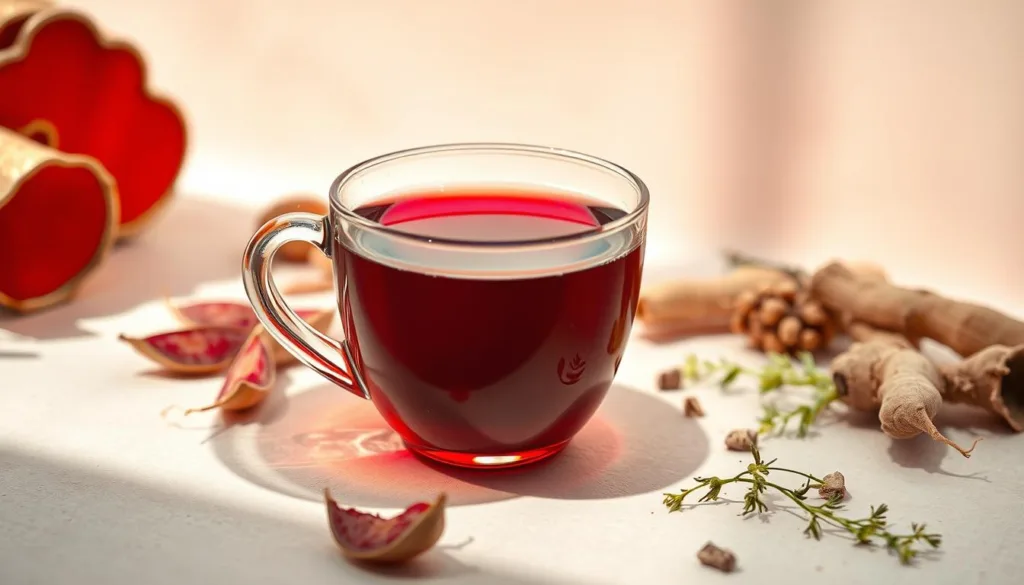
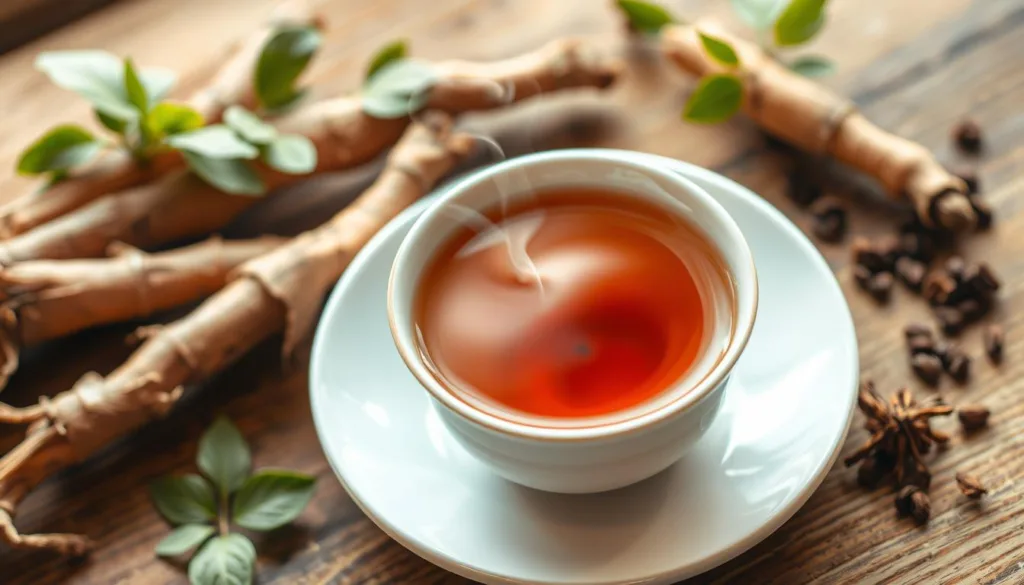
This tea is more than just a drink. It’s a mix of herbs and plants used in Korean medicine for ages. You’ll find ginseng, green tea, mugwort, persimmon leaves, and chrysanthemum in it. Each adds its own benefits, like antioxidants and anti-inflammatory effects.
The Powerful Ingredients Behind the Brew
The ingredients in Korean Retinol Tea are packed with skincare benefits. Ginseng helps skin stay elastic and look smoother. Green tea fights off skin damage from the environment. Mugwort soothes and calms the skin.
Persimmon leaves and chrysanthemum boost the tea’s antioxidant power. Together, they help keep skin healthy and glowing. This makes the tea a great skincare drink.
The “Retinol” Misnomer Explained
Korean Retinol Tea doesn’t have retinol or its derivatives. So, why is it called “retinol tea”? It’s named for its anti-aging effects, like retinol. Retinol helps skin look smoother and younger.
The “retinol” name is a nod to the tea’s goal: to make skin look younger naturally. It’s a part of the K-Beauty anti-aging trend. This trend focuses on making skin healthy from the inside out.
How Korean Retinol Tea Became a Social Media Sensation
Korean Retinol Tea has become very popular on social media, like TikTok and Douyin. It’s part of the ‘inner skincare’ trend. This trend says that good skin comes from being healthy inside.
The TikTok and Douyin Phenomenon
Its fame on TikTok and Douyin comes from people sharing their skin stories. Short videos about making and using the tea have gotten millions of views. This has made it a hit among fans of K-Beauty.
What made it go viral includes:
People sharing how the tea helped their skin
Reviews from influencers
The tea’s cool packaging and how it’s made
The Rise of “Inner Skincare” Movement
The “inner skincare” movement says beauty starts from inside. It says eating certain foods and drinks, like Korean Retinol Tea, can make your skin better. This idea has caught on, mainly with the younger crowd who want natural skincare.
The main ideas of this movement are:
It’s all about being healthy inside
Using natural and organic stuff
It’s about preventing problems, not just fixing them
Korean Retinol Tea fits right into this movement. Many people add it to their korean beauty routine. They believe it helps make their skin look better.
The Benefits of Korean Retinol Tea and How to Brew It at Home
Korean Retinol Tea is a popular choice for those looking for natural ways to fight aging and improve skin health. It’s important to know its benefits and how to make it at home.
Potential Skin Benefits vs. Scientific Reality
Korean Retinol Tea is known for its antioxidants and possible anti-aging effects. It’s not a direct substitute for retinol creams but can be a good addition to your skincare routine. The tea is made with green tea, persimmon leaves, and mugwort, all rich in antioxidants.
Experts say the antioxidants in Korean Retinol Tea can help keep your skin hydrated and protected. But, there’s not much scientific proof it works as well as retinol creams. As Dr. Jane Smith, a dermatologist, notes, “While Korean Retinol Tea can be beneficial, it’s not a replacement for topical retinol products. It’s more about overall skin health and wellness.”
“The concept of ‘inner skincare’ is gaining traction, and teas like Korean Retinol Tea are at the forefront. They offer a holistic approach to skin health.” –
Step-by-Step Brewing Guide
Making Korean Retinol Tea at home is easy. Here’s a simple recipe to get you started:
1 teaspoon of green tea leaves
1/2 teaspoon of dried persimmon leaves
1/4 teaspoon of mugwort
1 cup of boiling water
Honey or lemon to taste (optional)
Put the ingredients in a teapot or mug, then pour in boiling water. Let it steep for 5-7 minutes, then strain and enjoy. You can adjust the ingredients to your liking.
Safety Considerations and Best Practices
When drinking Korean Retinol Tea, be aware of a few safety tips. First, avoid it if you’re allergic to any ingredients. Also, if you’re pregnant or breastfeeding, talk to a healthcare professional before trying it.
Ingredient
Potential Benefit
Safety Consideration
Green Tea
Antioxidant-rich
Caffeine content; avoid excessive consumption
Persimmon Leaves
May help with skin hydration
Allergic reactions possible; start with small amounts
Mugwort
Anti-inflammatory properties
May interact with certain medications; consult a healthcare professional
Understanding the benefits and risks of Korean Retinol Tea helps you decide if it’s right for you. Always talk to a dermatologist or skincare expert before trying new products or drinks.
Conclusion: Adding Korean Retinol Tea to Your Beauty Routine
Korean Retinol Tea is becoming a big hit in the k-beauty wellness world. Adding it to your daily skincare can make your skin healthier and brighter.
Experts say to use Korean Retinol Tea with other natural Korean skincare tips for the best results. Eating well, exercising, and sticking to a skincare routine are key. This way, you get the most out of Korean Retinol Tea and your skin will glow.
Korean Retinol Tea is part of the herbal skincare trend. It’s a great way to care for your skin from the inside. It’s perfect if you want to tackle skin issues or just feel better overall.
FAQ
What is Korean Retinol Tea and how does it work?
Korean Retinol Tea is a mix of herbs like ginseng, green tea, and mugwort. These are packed with antioxidants. They’re thought to make your skin healthier from the inside. It’s inspired by retinol’s anti-aging effects but doesn’t have retinol itself.
Is Korean Retinol Tea a substitute for retinol creams or other topical skincare products?
No, it’s not a direct swap for retinol creams or other skincare products. It’s meant to be part of a full skincare routine. This includes eating well, exercising, and using the right skincare products.
How do I brew Korean Retinol Tea at home?
To make Korean Retinol Tea, steep the tea leaves or herbs in hot water. Then, strain and drink it. You can find a detailed guide on our article.
What are the possible benefits of drinking Korean Retinol Tea?
It’s full of antioxidants and might help your skin look better. It could reduce aging signs and boost wellness. But, results can vary, and more studies are needed.
Are there any safety considerations I should be aware of when drinking Korean Retinol Tea?
Yes, watch out for allergies or interactions with meds. Talk to a doctor before trying it, if you have health issues.
Can I combine Korean Retinol Tea with other K-Beauty products or natural skincare trends?
Yes, it’s great with K-Beauty or natural skincare. Pair it with a healthy diet and exercise for better skin.
Is Korean Retinol Tea part of the “inner skincare” movement?
Yes, it’s linked to the “inner skincare” trend. It focuses on internal health for better skin. Drinking it is thought to improve skin health from within.
Can Korean Retinol Tea help with anti-aging and skin rejuvenation?
It’s believed to fight aging and rejuvenate skin. This is thanks to its antioxidants, like ginseng and green tea.
The smokey eye is a timeless makeup choice that can be adapted for various occasions, from a night out to a formal event. According to the latest trends, it’s all about soft, diffused edges and rich, matte finishes this season.
To achieve a soft, sophisticated look, blending and using the right products are crucial. By using the right techniques and products, you can create a beautiful, soft smokey eye look that’s perfect for any occasion.
Key Takeaways
Understand the versatility of the smokey eye makeup look
Learn the importance of blending and using the right products
Discover the essential products and techniques needed to achieve a soft smokey eye
Master the art of creating a subtle, nuanced look that enhances the eyes
Find out how to achieve a seamless finish with the right shades and blending techniques
The Art of Soft Smokey Eye Makeup
The soft smokey eye is a versatile and sophisticated makeup look that can be adapted to suit any occasion. It’s a technique that enhances the eyes without looking too dramatic or overdone, making it perfect for both everyday wear and special events.
What Makes a Smokey Eye “Soft”
A soft smokey eye differs from its classic counterpart in the intensity and choice of colors. While a traditional smokey eye often features dark, bold shades, a soft smokey eye uses lighter, more subtle tones to create a nuanced look. This is achieved by applying eyeshadows in a way that gradates from light to dark, creating depth without harsh lines.
Difference Between Classic and Soft Smokey Eye
The primary difference lies in the color palette and application technique. Classic smokey eyes are often associated with darker shades and more pronounced eyeliner, whereas soft smokey eyes focus on blending softer colors for a more natural appearance.
Characteristics
Classic Smokey Eye
Soft Smokey Eye
Color Palette
Dark, bold shades
Light, subtle tones
Application Technique
More pronounced eyeliner
Blending for a natural look
Overall Look
Dramatic, intense
Nuanced, subtle
Benefits of Mastering This Versatile Look
Mastering the soft smokey eye technique offers several benefits. It’s a versatile look that can be adapted for different occasions, from a day at the office to an evening out. Additionally, it complements various eye shapes when done correctly, making it a valuable skill for any makeup enthusiast.
Key Benefits: Versatility, complements various eye shapes, suitable for different occasions.
Essential Tools and Products for Smokey Eye Makeup
To achieve a flawless smokey eye, it’s crucial to have the right tools and products. A well-stocked makeup kit is essential for creating a variety of looks, from subtle to dramatic.
Brushes You’ll Need
Investing in good-quality brushes is vital for a seamless smokey eye application. You’ll need a fluffy blending brush, a precision brush for applying eyeshadow to the crease, and a flat shader brush for packing on color.
A fluffy blending brush for softening harsh lines
A precision brush for detailed work in the crease
A flat shader brush for applying eyeshadow all over the lid
Eyeshadow Selection
Choosing the right eyeshadows is critical for a smokey eye. Opt for a palette that includes a range of shades from light to dark. Neutral tones are versatile and suitable for everyday wear, while darker shades can be used to add depth.
Primers and Bases
A good primer or base is essential for long-lasting eyeshadow. It helps the colors stay vibrant and prevents creasing. Look for a product that is specifically designed for the eyes.
Eyeliners and Mascaras
Eyeliners and mascaras are the finishing touches for a smokey eye look. Choose an eyeliner that suits your skill level, and a mascara that adds volume and length to your lashes.
Eyeliners come in various forms, including gel, liquid, and pencil
Mascaras can be used to add volume, length, or both
By having these essential tools and products, you’ll be well on your way to creating a stunning smokey eye look that suits any occasion.
Preparing Your Eyes for Makeup Application
The key to a stunning smokey eye lies in the preparation of your eyes. Proper preparation ensures a smooth, even application and makes the overall look last longer.
Skincare Steps Before Makeup
Begin by incorporating a good skincare routine. Moisturizing the delicate skin around your eyes is crucial. Use an eye cream or serum to hydrate and nourish the area. This step helps in creating a smooth canvas for makeup.
Priming the Eyelids
Apply an eye primer to your eyelids. This helps the eyeshadow stay in place and brings out the pigment. According to experts, using a primer or concealer can help create a smooth base for eye makeup.
Color Correcting Techniques
Color correcting can help neutralize any discoloration around your eyes. Use a color corrector to counteract dark circles or redness. This step is essential for achieving a flawless base.
Setting Your Base
Finally, set your base with a translucent powder. This helps keep everything in place and prevents creasing. By following these steps, you’ll be able to achieve a beautiful, long-lasting smokey eye look.
Step-by-Step Soft Smokey Eye Tutorial
A soft smokey eye is the perfect way to enhance your natural beauty, and with our step-by-step guide, you’ll be a pro in no time. This versatile look is suitable for any occasion, from a day at the office to a night out.
Creating Your Base
Start by applying a primer to your eyelids to create a smooth canvas for your eyeshadow. This helps the eyeshadow stay in place longer and brings out the pigment. Use a fluffy brush to apply a light, neutral eyeshadow all over your lid, from the lash line to the crease.
Building the Transition Shade
Choose a transition shade that’s one step darker than your base color and apply it to the crease using a medium-sized brush. Blend the edges well to create a seamless transition between the shades. This step is crucial for a soft smokey eye, as it adds depth without harsh lines.
Adding Depth to the Crease
Using a darker shade, add more depth to the crease. Focus on the outer corner and blend well to avoid harsh lines. This step enhances the dimension of your eyes.
Applying the Darkest Shade
Apply the darkest shade to the outer corner of your eye, starting from the lash line and working your way up to the crease. Blend carefully to maintain a soft look.
Highlighting the Inner Corner and Brow Bone
Use a light, shimmery eyeshadow to highlight the inner corner of your eyes and the brow bone. This adds a brightening effect and opens up your eyes.
Step
Product
Application Tip
Creating Base
Primer and light eyeshadow
Apply all over lid
Building Transition
Transition shade eyeshadow
Blend in crease
Adding Depth
Darker eyeshadow
Focus on outer corner
Highlighting
Light, shimmery eyeshadow
Apply to inner corner and brow bone
By following these steps, you’ll achieve a beautiful, soft smokey eye that’s perfect for any occasion. Remember, practice makes perfect, so don’t be discouraged if it takes a few tries to get it just right.
Perfecting Your Blending Techniques
The key to a stunning soft smokey eye lies in the subtle art of blending. Achieving a seamless transition between colors is what elevates a good makeup look to a great one.
Brush Movements for Seamless Blending
To master blending, it’s essential to use the right brush movements. A gentle, sweeping motion or a soft circling action with your brush can make all the difference. Experiment with different brush sizes and movements to find what works best for you.
Layering Colors Effectively
Layering is a critical aspect of blending. Start with a light hand and gradually build up your colors. This approach allows you to control the intensity of your look and prevents harsh lines from forming.
Avoiding Harsh Lines
Harsh lines can ruin an otherwise perfect smokey eye. To avoid them, make sure to blend the edges of your eyeshadow thoroughly. Using a clean brush to soften the edges can be particularly helpful.
Building Intensity Gradually
Building intensity gradually is key to a natural-looking smokey eye. Start with a light layer and gradually increase the color intensity. This technique ensures that your look remains subtle yet impactful.
By mastering these blending techniques, you’ll be able to achieve a soft smokey eye that looks both sophisticated and effortless.
Completing Your Smokey Eye Look
The final touches are crucial in elevating your smokey eye look to perfection. With your eyeshadow in place, it’s time to focus on the details that will make your eyes truly stand out.
Eyeliner Application Methods
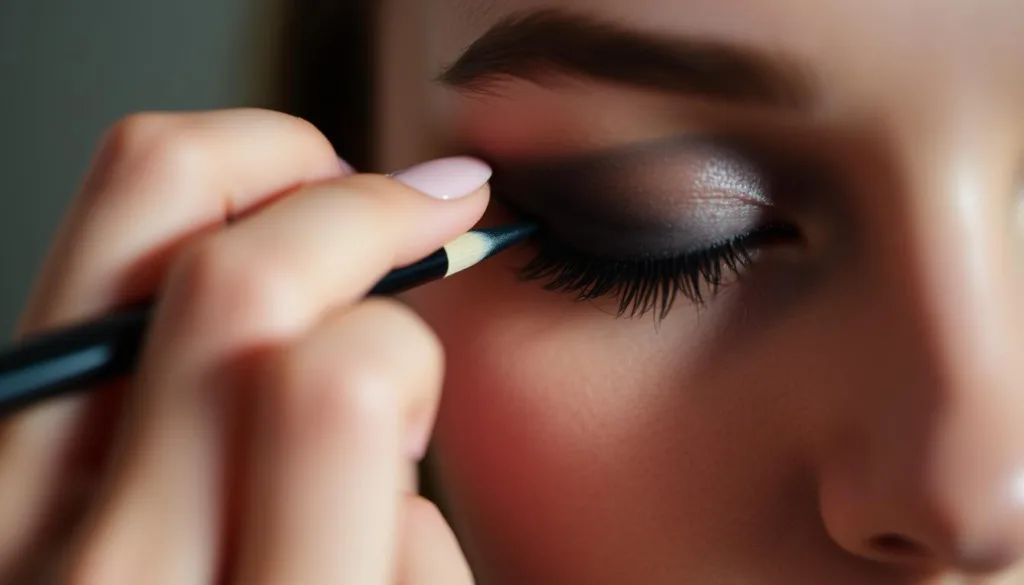
Applying eyeliner can be intimidating, but it’s a crucial step in completing your smokey eye look. You can choose from various methods, including gel, liquid, or pencil eyeliner. Gel eyeliners offer precision and are ideal for creating a sharp cat-eye, while liquid eyeliners provide a more dramatic look. For a softer appearance, a pencil eyeliner can be smudged along the lash line.
Lower Lashline Techniques
Enhancing your lower lashline can add depth to your smokey eye. Use a small brush to apply a dark eyeshadow or eyeliner to the lower lash line, starting from the outer corner and working your way inwards. This technique helps to create a more balanced look.
Mascara Tips for Fuller Lashes
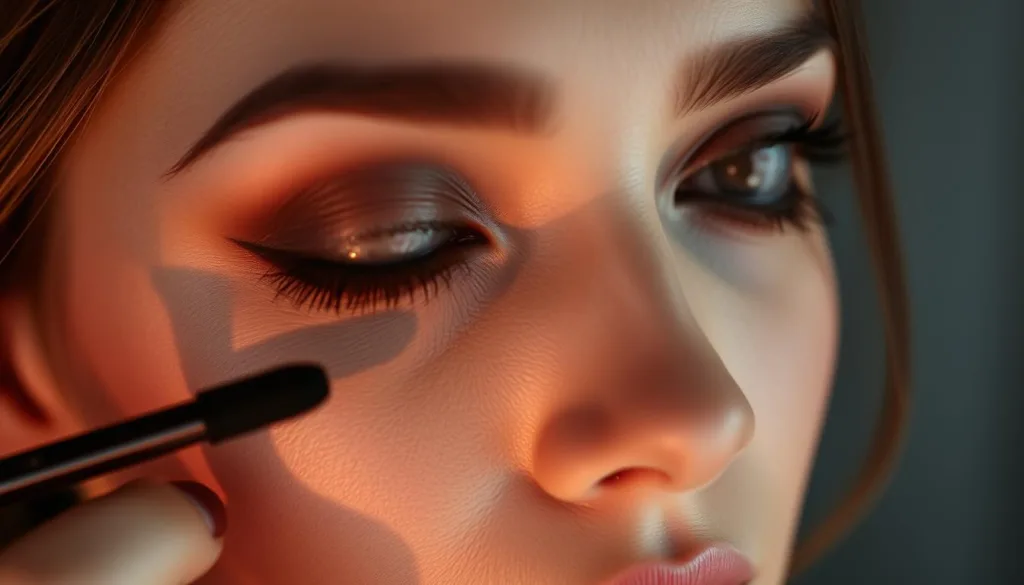
Mascara is essential for completing your eye look. To achieve fuller lashes, wiggle the mascara wand from base to tip as you coat your lashes. This helps to separate the lashes and prevent clumping. For added volume, apply mascara to both the upper and lower lashes.
False Lash Options
For a more dramatic look, consider adding false lashes. They come in various styles, from natural to glamorous. To apply, use a thin layer of lash glue and wait for it to become tacky before attaching the lashes to your natural lash line. False lashes can instantly elevate your smokey eye, making your eyes appear larger and more captivating.
Customizing Smokey Eye Makeup for Different Eye Shapes
Understanding how to adapt smokey eye techniques to your unique eye shape is key to achieving a flawless finish. Different eye shapes can greatly impact how smokey eye makeup looks on you, and making a few simple adjustments can make a significant difference.
Techniques for Hooded Eyes
For hooded eyes, it’s essential to create depth without making the eyes appear smaller. Apply lighter shades on the lid and darker shades in the crease to create the illusion of more space. Avoid heavy eyeliner on the upper lid, as it can make the eyes appear more hooded.
Adjustments for Almond Eyes
Almond eyes are considered the ideal canvas for smokey eye makeup. To enhance this shape, focus on balancing the darkness with a gradual transition from light to dark shades. Apply the darkest shade at the outer corner and blend well to maintain the natural shape.
Tips for Round and Monolid Eyes
For round eyes, creating depth is crucial. Use darker shades on the outer corners to elongate the eyes. Monolid eyes benefit from a similar technique, with an emphasis on applying eyeshadow along the lash line to create the illusion of thicker lashes.
Enhancing Deep-Set and Protruding Eyes
Deep-set eyes require lighter shades on the lid to bring them forward. Protruding eyes, on the other hand, can handle darker shades on the lid to create a more balanced look. For both, blending is key to avoid harsh lines.
As makeup artist Bobbi Brown once said,
“The key to a great smokey eye is blending, blending, and more blending.”
This is particularly true when customizing for different eye shapes, as seamless transitions can make or break the overall look.
Adapting Your Soft Smokey Eye for Different Occasions
A soft smokey eye is a canvas waiting to be customized for any event, from a casual day out to a formal evening affair. The key to adapting this versatile look lies in making subtle adjustments to suit the occasion, season, and your overall makeup.
Daytime Office-Appropriate Looks
For a daytime office look, tone down the intensity of your smokey eye by using lighter shades and less product. Opt for neutral tones like champagne or beige, and apply a light coat of mascara to keep the look professional.
Evening and Special Event Variations
For evening events, you can intensify your smokey eye by using darker shades and adding more drama with eyeliner and false lashes. Consider metallic or glitter eyeshadows to add a touch of glamour.
Color Combinations for Different Seasons
Adjust your smokey eye color palette according to the season. In the summer, try bronze and gold tones, while in winter, deep plum and charcoal can create a dramatic look. Spring and autumn call for softer, earthy tones.
Complementary Face Makeup
To complete your look, ensure your face makeup complements your smokey eye. For a soft smokey eye, a natural foundation, subtle blush, and a nude lip color can create a balanced look. For a more dramatic smokey eye, you might opt for a bolder lip color to match the intensity of your eyes.
Conclusion
Creating the perfect soft smokey eye look is a skill that can elevate your makeup routine and boost your confidence. By following the steps outlined in this article, you’re well on your way to mastering this versatile and timeless technique.
As you practice, remember that the key to a great smokey eye is blending. Take your time, and don’t be discouraged if it doesn’t turn out perfectly at first. With patience and persistence, you’ll be creating stunning soft smokey eye looks in no time.
For a smokey eye makeup conclusion, it’s essential to keep in mind that this look can be customized to suit any occasion or personal style. Whether you’re heading to the office or a night out, a soft smokey eye is sure to impress. As you continue to hone your skills, experiment with different colors and techniques to make the look your own.
For final tips, focus on building your intensity gradually, and don’t be afraid to try new products and brushes. With these smokey eye makeup tips, you’ll be well on your way to becoming a makeup pro.
FAQ
What is a soft smokey eye look?
A soft smokey eye is a more subtle and sophisticated version of the classic smokey eye, achieved by using lighter shades and blending techniques to create a seamless, gradient-like effect.
What are the benefits of mastering the soft smokey eye look?
Mastering the soft smokey eye look offers versatility for different occasions and eye shapes, making it a great makeup option for many. It can be dressed up or down and is suitable for both everyday wear and special events.
What are the essential tools and products needed for a soft smokey eye?
The essential tools and products include the right brushes, eyeshadows, primers, eyeliners, and mascaras. Recommended products include those from brands like Urban Decay, MAC, and NARS, which offer a range of shades and textures.
How do I prepare my eyes for smokey eye makeup?
To prepare your eyes, follow a skincare routine, prime your eyelids, use color correcting techniques if necessary, and set your base with a primer or eyeshadow base to create an ideal canvas for your makeup.
What are the key steps in creating a soft smokey eye look?
The key steps include creating a base, building up the eyeshadow, and highlighting key areas. This involves applying a light shade all over the lid, a transition shade in the crease, and a darker shade on the outer corner, blending well to create a seamless effect.
How do I blend eyeshadows effectively for a soft smokey eye?
To blend eyeshadows effectively, use gentle brush movements, layer colors gradually, and avoid harsh lines by softening the edges of each shade. This will help create a seamless, professional-looking smokey eye.
Can I customize the soft smokey eye look for different eye shapes?
Yes, the soft smokey eye can be customized for different eye shapes. Techniques and adjustments can be made for hooded, almond, round, monolid, deep-set, and protruding eyes to enhance their natural shape and features.
How can I adapt the soft smokey eye look for different occasions?
To adapt the soft smokey eye for different occasions, adjust the intensity and color palette. For example, use lighter shades for daytime or office wear, and darker, more dramatic shades for evening events. You can also change the color combinations to suit different seasons.
What are some tips for completing a smokey eye look?
To complete a smokey eye look, apply eyeliner, enhance the lower lashline, use mascara effectively, and consider false lash options. These final steps will help frame your eyes and add depth to your overall look.
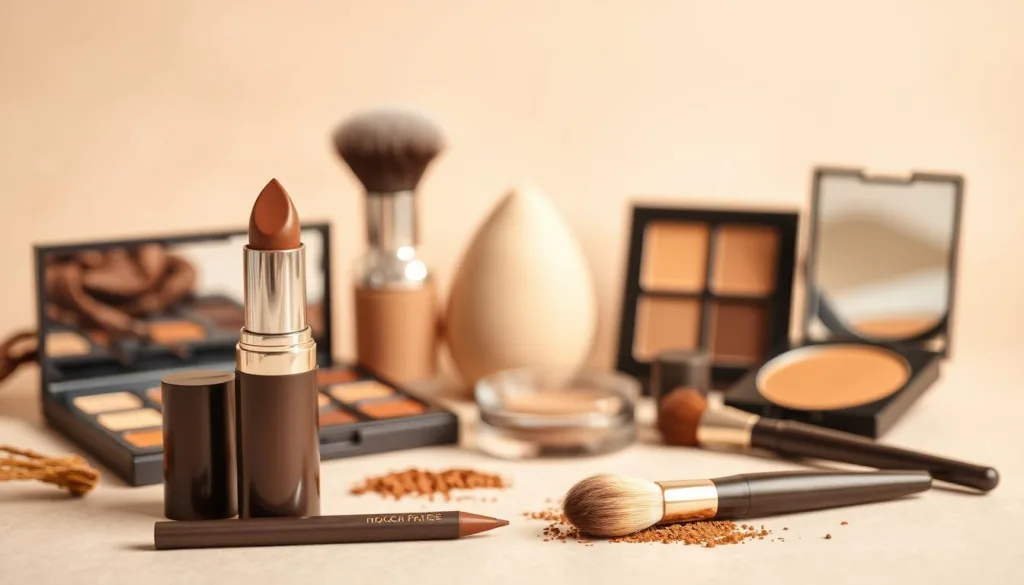
Do you remember the ’90s brown lip and soft bronzed eyes? They’re back, but now they’re smoother and more modern. The return of warm neutrals in beauty is thanks to Pantone’s Color of the Year for 2025: Mocha Mousse.
This rich, sophisticated shade is not just for interior design. It’s also big in the beauty world. As beauty follows Pantone, brown-tone makeup is getting more popular. It brings warmth and comfort, perfect for the cold weather.
Key Takeaways
Mocha Mousse is Pantone’s Color of the Year for 2025.
Warm neutrals are making a comeback in beauty.
Brown-tone makeup is trending again, inspired by 90s supermodel looks.
The beauty industry is influenced by Pantone’s Color of the Year.
Mocha Mousse shade is about warmth and comfort.
Why Brown Tones Are Making a Comeback in 2025
The beauty world is buzzing with brown tones in 2025. This trend is fueled by a love for 90s beauty and minimalist looks on social media. It’s clear that 90s supermodels and today’s social media are big influences.
The 90s Supermodel Influence
The 1990s celebrated natural beauty, with supermodels like Cindy Crawford leading the way. Brown tones fit perfectly into this look, providing a subtle yet sophisticated vibe. The return of 90s fashion and beauty is bringing back these warm, earthy tones.
Social Media’s Love for Minimalist Elegance
Social media, like TikTok and Douyin, is full of brown-tone makeup looks. This trend is popular because of its minimalist elegance. It adds sophistication to any look.
TikTok and Douyin Brown Tone Trends
TikTok and Douyin are hubs for beauty trends, with brown tone makeup being a top choice. The short videos make it easy to follow along and try out new looks.
The Elevated Minimalist Appeal
Brown tones are versatile and suit many skin tones. They work for everyday looks or more dramatic evening styles. This makes them a great choice for anyone.
Product
Description
Shade Range
Brown Lipstick
Moisturizing lipstick with a range of brown shades
5 shades from light beige to deep brown
Bronze Eyeshadow
High-pigment eyeshadow for a natural bronze look
3 shades from light bronze to dark brown
Warm Blush
Soft, blendable blush for a healthy glow
4 shades from soft peach to warm brown
Choosing brown tones is more than following a trend. It’s a timeless, versatile choice that highlights your natural beauty.
Essential Brown Tone Makeup Products You Need
To get a stunning brown-tone look, you need the right makeup. The key is to pick products that match your skin and style.
Brown Lipstick Varieties
Brown lipstick is a must for the brown-tone look. You can find shades from light rose brown to deep mocha. MAC and Charlotte Tilbury have stylish, long-lasting options.
Bronze and Mocha Eyeshadows
Bronze and mocha eyeshadows warm up your eyes. Look for palettes with bronze, copper, and mocha shades. Urban Decay and Tarte offer high-quality eyeshadows for this look.
Warm Blush Options
Warm blushes like caramel and terracotta brighten your cheeks. They give a natural glow. NARS and Glossier have options for all skin tones.
Neutral Liner Essentials
Neutral liners in brown or taupe define your eyes softly. Bobbi Brown and Make Up For Ever have easy-to-use, blendable options.
How to Apply Brown Tone Makeup for a Sophisticated Look
Brown tone makeup can make your everyday look elegant. To get this look, focus on a soft matte skin base. Also, apply brown lipstick right and add subtle highlights to highlight your features.
Creating Soft Matte Skin
Begin with a foundation that matches your skin tone for a uniform base. Then, set it with powder for a soft matte finish. Choose a shade that suits your undertones: warm caramel for medium, rose brown for fair, and deep mocha for dark.
Perfecting Brown Lip Application
Pick a brown lipstick that suits your skin. Apply it from the center to the edges of your lips. Gently blot your lips to avoid feathering and get a smooth finish.
Adding Subtle Highlights
Highlight the high points of your face, like cheekbones, nose, and cupid’s bow. This adds depth to your look.
Balancing Warmth with Light
To balance warmth and light, choose highlights that aren’t too shiny. A subtle glow is better than a shimmery one.
Avoiding Common Mistakes
A common error is using too much brown. Start light and build up. Here’s a quick guide to picking the right shades:
Skin Tone
Foundation Shade
Brown Lipstick
Fair
Rose Brown
Soft Brown
Medium
Warm Caramel
Mocha Brown
Dark
Deep Mocha
Dark Chocolate
Conclusion: Embracing Timeless Neutral Beauty
The beauty world keeps changing, but neutral tones are staying put. You can refresh your look with brown-tone makeup, inspired by the Mocha Mousse Color of the Year. Warm neutrals add warmth and comfort to your beauty routine. They help you get a sophisticated, natural look that suits most skin tones.
Using brown tones in your makeup means embracing timeless beauty. This color palette suits many skin tones, making it simple to create an elegant, effortless look. Whether you want to highlight your natural features or explore a new style, brown tone makeup adds depth and warmth.
With the right products and techniques, you can master warm neutrals and enjoy a timeless, beautiful look. So, try brown-tone makeup and let your natural beauty shine.
FAQ
What is Mocha Mousse, and how is it influencing the beauty industry?
Mocha Mousse is Pantone’s Color of the Year. It’s a warm, comforting shade. It’s making brown-tone makeup popular, perfect for cold weather.
Why are brown tones making a comeback in 2025?
Brown tones are back thanks to 90s supermodels and social media. They show natural, effortless beauty.
What are the essential brown-tone makeup products needed to achieve the look?
You need brown lipstick, bronze eyeshadow, warm blush, and neutral liner. These create a sophisticated, natural look for most skin tones.
How do I choose the right shade of brown lipstick?
Choose from light rose brown to deep mocha. Pick based on your skin tone and what you like.
How can I avoid overdoing it with brown tones in my makeup look?
Balance warmth with light. Apply subtle highlights on your face’s high points. Use brown tones in moderation.
What are some common mistakes to avoid when applying brown-tone makeup?
Avoid too much brown, not balancing, and poor blending. These can make your look harsh or unnatural.
Can brown-tone makeup be worn for everyday occasions?
Yes, it’s versatile. Brown-tone makeup adds sophistication to any look, making it natural and effortless.
How can I incorporate brown-tone makeup into my existing beauty routine?
Start with small changes. Add a brown lipstick or bronze eyeshadow. Adjust products and shades for your skin tone and style.
You’ve probably seen the butter skin trend on social media and red carpets. It’s all about getting a smooth, hydrated, and softly lit complexion that shines naturally.
The butter skin look has a soft-focus vibe. It makes your skin feel velvety, without being greasy like some other trends. It’s not just about makeup; it’s also about having skin that glows from the inside out.
The butter skin trend is getting more popular on TikTok and among celebrities. In this article, we’ll show you how to get this look. We’ll cover the best techniques and products to start with.
Key Takeaways
Achieve a smooth, hydrated complexion for the butter skin look
Use the right makeup techniques to enhance your natural glow
Focus on hydration to get a velvety texture without greasiness
Explore products that help you achieve the butter skin trend
Get inspired by celebrity looks and social media trends
What is the Butter Skin Trend?
The butter skin trend is sweeping the beauty world, giving a new twist to the glass skin look. It’s all about getting a natural, radiant complexion that looks effortless. Chanel makeup artist Anna Payne says, “Butter skin has a more natural, satin-like finish—it’s hydrated and glowing but never overly shiny.” This makes it perfect for those who want a less perfect, yet polished look.
Defining Butter Skin Makeup
Butter skin makeup is known for its soft, creamy glow. It’s about embracing a natural look that doesn’t need a lot of skincare or flawless skin. The goal is to enhance your features with a subtle, healthy glow.
Focus on hydration through appropriate skincare products.
Use makeup products that enhance your natural complexion without looking too done-up.
Opt for a satin-like finish, not shiny or matte.
Butter Skin vs. Glass Skin: Understanding the Difference
Both trends aim for a smooth complexion, but they differ in finish and approach. Glass skin has a ultra-smooth and reflective finish, needing a strict skincare and makeup routine. Butter skin, on the other hand, is more forgiving, aiming for a hydrated and glowing look without the need for an overly shiny finish.
Finish: Butter skin has a satin-like finish, whereas glass skin is more reflective.
Skincare: Glass skin often demands a more extensive skincare routine.
Makeup Approach: Butter skin makeup is generally easier to achieve and maintain.
Preparing Your Canvas for the Perfect Butter Skin Makeup
To get the perfect butter skin look, start with a clean canvas. You need to focus on skincare and priming to get a smooth, soft base.
Essential Skincare Products for Hydration
Begin with a rich, nourishing moisturizer for the butter skin look. Look for products with hyaluronic acid or glycerin for hydration. A gentle exfoliating toner can also help, revealing smoother skin for makeup.
Using a hydrating serum before moisturizing boosts your skin’s hydration. This makes your skin perfect for makeup.
Priming Techniques for a Smooth Base
After hydrating, prime your skin for makeup. A lightweight, illuminating primer enhances your natural glow. Stay away from oil-based or mattifying products to keep the desired finish.
By using the right skincare and priming, you get a smooth, radiant base. This is perfect for the butter skin look.
Step-by-Step Guide to Achieving the Butter Skin Look
Getting the butter skin look is simpler than you might think. This glowy makeup trend focuses on a smooth, hydrated finish. It looks like your skin is naturally glowing.
Foundation and Concealer Application
Start with a lightweight, dewy hydrated foundation that matches your skin. Use a foundation brush or beauty blender for an even finish. Only use concealer where needed to keep your look natural.
Makeup artist Bobbi Brown advises, “Less is more with concealer. You should look like you’re not wearing much makeup.”
“The key to a great makeup look is to enhance your natural features without looking too done-up.”
Setting with Soft-Focus Powder
Next, set your base with a soft-focus powder. This helps control shine while keeping your glow. Apply it lightly over the T-zone or all over, depending on your skin.
Adding Dimension with Cream Products
Use cream products like blushes and highlighters to add depth. They give a more natural, glossy finish makeup than powders. Apply blush to your cheeks and highlighter to your face’s high points for a healthy glow.
Customizing for Your Skin Type
It’s important to customize the butter skin look for your skin type.
Tips for Oily Skin
If you have oily skin, use a mattifying primer in the T-zone. This helps control shine. But, keep the cheeks dewy for a balanced look.
Tips for Dry Skin
For dry skin, focus on hydration. Use a rich moisturizer before makeup. Then, apply creamy products to enhance your natural glow.
Skin Type
Product Tip
Application Tip
Oily
Mattifying primer
Apply on T-zone
Dry
Rich moisturizer
Apply before makeup
By following these steps and tips, you can get a stunning, butter skin look that highlights your natural beauty.
Conclusion: Why Butter Skin Has Become a Global Beauty Trend
The butter skin look has swept the beauty world, winning hearts with its promise of glowing beauty. It uses natural makeup to create a soft, natural look. This look makes your features stand out without looking too done.
This trend is more than a quick fashion. It’s about focusing on skincare to get a natural glow. With the right products and methods, you can get a flawless look that looks amazing in any light.
Exploring butter skin makeup means focusing on hydration and subtle looks. Follow the steps in this guide to join the beauty trend. You’ll be part of a global movement towards natural, radiant beauty.
FAQ
What is the main difference between butter skin and glass skin?
Butter skin gives you a soft, creamy glow. It’s less shiny than glass skin. This makes it easier to get and more forgiving.
What kind of skincare products are essential for achieving the butter skin look?
You need hydrating serums and moisturizers. They help create a smooth base for makeup. This gives you a natural, luminous look.
How do I prime my skin for the butter skin look?
Use a lightweight, illuminating primer. It boosts your skin’s natural glow. Avoid oil-based or mattifying products that can ruin the soft-focus finish.
What type of foundation is best for achieving the butter skin look?
Choose a moisturizing foundation for a dewy finish. It’s perfect for butter skin. You can also use concealer to hide blemishes.
How can I customize the butter skin look for my skin type?
For oily skin, use mattifying products in the T-zone. Keep the rest dewy. Dry skin? Focus on hydration and use creamy products to boost your glow.
What is the key to maintaining a glowy, radiant complexion with the butter skin look?
It’s all about balance. Use products that enhance your skin’s natural glow. Skincare-infused makeup and cream products are great for this.
Can I achieve the butter skin look with oily skin?
Yes, oily skin can get the butter skin look. Use mattifying products in the T-zone and keep the rest dewy. Choose products that control shine without drying out your skin.
The beauty world is changing fast, and Chinese beauty brands are leading the way. You’re about to learn about the new and exciting brands that are changing the game.
C-Beauty combines traditional Chinese ingredients, local beauty standards, and modern innovation. This mix makes these Chinese makeup brands famous worldwide for their unique products and designs.
In 2025, the C-Beauty scene is set to boom. You’ll see the best c-beauty brands 2025 has to offer. From skincare to makeup, we’ll show you what makes them special.
Key Takeaways
Understanding the concept of C-Beauty and its significance
Discovering top trending Chinese beauty brands in 2025
Exploring the fusion of traditional and modern elements in C-Beauty products
Learning about the global impact of C-Beauty brands
Identifying key players in the C-Beauty industry
The Rise of C-Beauty in the Global Market
C-Beauty is taking the world by storm, blending cultural heritage with beauty innovation. It combines traditional Chinese ingredients, new formulas, and cultural styles. This mix is winning over beauty lovers everywhere.
What Defines C-Beauty
C-Beauty stands out for its mix of old and new. It uses traditional Chinese medicine and ingredients like ginseng, pearl, and licorice root. This gives C-Beauty a unique cultural touch.
Blend of Innovation and Traditional Ingredients
C-Beauty combines ancient Chinese ingredients with modern tech. This creates products that are both effective and rich in history. For example, brands use advanced skincare technology to boost traditional ingredients’ power.
Cultural Aesthetics and Storytelling
C-Beauty brands tell stories and showcase cultural beauty. This connects with Chinese people and also draws in global fans. As one expert says,
“C-Beauty is not just about beauty products; it’s about sharing Chinese culture and values with the world.”
From Local Phenomenon to Global Competitor
C-Beauty has grown from a local favorite to a global player. It’s seen a big increase in its global market share. Brands are now found online and in stores worldwide.
Market Growth Statistics
The C-Beauty market is booming, growing faster than many others. This is thanks to more people wanting innovative, effective, and culturally rich beauty items.
International Expansion Strategies
C-Beauty brands are expanding globally in smart ways. They partner with local stores, run targeted ads, and show up at beauty events. These steps help them reach more people and grow their global footprint.
The Evolution of C-Beauty Brands 2025
C-Beauty brands in 2025 lead a new wave. They mix old ingredients with new science. This change brings innovation, digital marketing, and a focus on the environment.
Innovation Meets Tradition
The C-Beauty world combines old ways with new tech. This is seen in how brands use ancient ingredients in their products.
Ancient Ingredients with Modern Science
C-Beauty brands mix traditional Chinese medicine with science. This makes products that work well and honor cultural roots. For example, ginseng and licorice root are used in skincare for their benefits.
Cultural Heritage in Modern Formulations
China’s rich culture inspires C-Beauty brands. They use traditional ingredients in new ways, like in serums and creams.
Digital Marketing Revolution
The digital world is changing for C-Beauty brands. They use social commerce and virtual try-on to connect with customers.
Social Commerce Success Stories
Many C-Beauty brands succeed on platforms like Douyin and Xiaohongshu. These sites help brands show their products and talk to customers.
Virtual Try-On Technologies
Virtual try-on tech is getting popular. It lets customers try products online, making shopping better and cutting down on returns.
Sustainability Initiatives
Sustainability is key for C-Beauty brands. They focus on eco-friendly packaging and fair sourcing to lessen their environmental footprint.
Eco-Friendly Packaging Innovations
Brands are getting creative with packaging. They use materials that can be recycled or break down easily. This helps reduce waste and attracts eco-aware shoppers.
Ethical Sourcing Practices
C-Beauty brands also focus on ethical sourcing. By getting ingredients responsibly, they make sure their products are good for both people and the planet.
What Sets C-Beauty Apart from K-Beauty and Western Brands
C-Beauty stands out in the beauty market with its cultural pride and innovative ingredients. It’s not just about following global beauty standards. It’s about embracing a rich cultural heritage that makes it unique compared to K-Beauty and Western brands.
Cultural Pride and Heritage
C-Beauty is deeply rooted in Chinese culture and history. It draws inspiration from traditional practices and ancient beauty secrets.
Traditional Chinese Medicine Influence
The influence of Traditional Chinese Medicine (TCM) is evident in many C-Beauty products. TCM’s holistic approach to health and beauty is reflected in the use of natural ingredients like ginseng and licorice root. These ingredients are believed to promote overall well-being.
Imperial Beauty Secrets Reimagined
C-Beauty brands often reference imperial beauty secrets, reimagining ancient practices for modern consumers. For instance, some brands incorporate ingredients like pearl powder and red dates into their products. These ingredients echo the luxurious beauty rituals of Chinese royalty.
Ingredient Innovation
C-Beauty is also characterized by its innovative use of ingredients. Brands are constantly pushing the boundaries of skincare and makeup technology.
Unique Botanical Extracts
One of the key differentiators of C-Beauty is its use of unique botanical extracts. Ingredients like Chinese angelica and goji berry are commonly used in C-Beauty products. They offer distinct benefits that are not typically found in K-Beauty or Western beauty products.
Texture and Sensory Experience
C-Beauty places a strong emphasis on the sensory experience of beauty products. Brands are innovating with textures that are not only effective but also pleasing to the senses. This creates a more engaging user experience.
Personalization Focus
Personalization is another area where C-Beauty excels. Brands are leveraging technology to offer customized beauty solutions.
AI-Driven Custom Formulations
Some C-Beauty brands are using AI-driven custom formulations to create personalized skincare products. This approach allows consumers to receive products tailored to their specific skin types and concerns.
Regional Adaptation Strategies
C-Beauty brands are also adapting their products to suit regional preferences and skin types. This regional adaptation strategy enables C-Beauty to cater to a diverse consumer base, both domestically and internationally.
As stated by a beauty industry expert, “C-Beauty’s focus on cultural heritage and personalization is revolutionizing the global beauty industry.”
“The future of beauty lies in embracing cultural diversity and leveraging technology for personalized solutions.”
Top C-Beauty Brands 2025: Market Leaders and Innovators
In 2025, C-Beauty brands are leading the way with their new products and marketing. The Chinese beauty market is growing fast. This is thanks to brands that use digital marketing to connect with more people.
Social Media Dominance on Douyin and Xiaohongshu
C-Beauty brands are big on social media sites like Douyin and Xiaohongshu. They use viral marketing techniques and influencer collaboration strategies to get noticed.
Viral Marketing Techniques
These brands create fun and interactive content. This makes their products popular quickly.
Influencer Collaboration Strategies
By working with famous influencers, C-Beauty brands reach more people. This helps make their brand more trusted and known.
Shanghai’s Role as C-Beauty Innovation Hub
Shanghai is becoming a key place for C-Beauty innovation. Many brands have flagship stores and experience centers there to show off their products.
Flagship Stores and Experience Centers
These places let people try out the brands’ products. It makes for a memorable experience.
R&D Facilities and Talent Development
Shanghai also has top R&D facilities and programs for talent. This helps keep C-Beauty innovative.
The top C-Beauty brands in 2025 are known for their mix of innovation and marketing. They lead the global beauty industry.
Florasis
Perfect Diary
Judydoll
Into You
Proya
CHANDO
Florasis: Artistry and Heritage Redefined
Florasis is changing the beauty world with its mix of art and heritage. As a top C-Beauty brand, it has won over the market with its rich culture and beautiful products.
Brand Philosophy and Aesthetic
Florasis’s values are deeply rooted in Chinese culture and art. Its look is a mix of traditional Chinese designs and modern beauty trends.
Artistic Packaging Inspired by Chinese Art
The packaging of Florasis products shows the brand’s love for art. Inspired by traditional Chinese art, it’s both useful and beautiful.
Cultural Storytelling Through Products
Florasis products share stories of Chinese heritage and culture. Each one is designed to bring out tradition and history, making beauty more meaningful.
Signature Products in 2025
In 2025, Florasis will keep innovating with its signature products. These will mix tradition with modernity. Some highlights include:
Carved powder compacts that are intricately designed
Limited edition collections that celebrate Chinese festivals
Carved Powder Compacts and Innovations
The carved powder compacts are a showcase of Florasis’s skill. These compacts are not just beauty items but also collectible art pieces.
Limited Edition Collections
Florasis’s limited edition collections are eagerly awaited each year. They celebrate Chinese culture and are a hit with beauty lovers.
Global Impact and Recognition
Florasis’s unique beauty approach has made it famous worldwide. The brand has won many awards and has been supported by celebrities.
International Awards and Accolades
Florasis has received several international awards for its innovative products and packaging. These honors show the brand’s dedication to excellence.
Celebrity Endorsements and Partnerships
The brand has teamed up with several celebrities who love Florasis’s art and heritage mix. These partnerships have helped the brand grow globally.
Perfect Diary: Affordable Luxury and Viral Marketing
Perfect Diary is a big name in C-Beauty. It’s known for affordable luxury and viral marketing. The brand uses digital marketing well and offers quality products at good prices.
Brand Evolution From Digital-Native to Omnichannel Powerhouse
Perfect Diary started online, using social media to connect with people. Now, it’s in many places, both online and offline. This change has helped it reach more people.
From Digital-Native to Omnichannel Powerhouse
This shift has made Perfect Diary more visible and engaging. It offers a smooth shopping experience, blending online and offline.
Price Point Strategy and Market Positioning
Perfect Diary’s prices are key to its success. It offers luxury products at lower prices. This makes it a top choice in the affordable luxury market.
Collaboration Strategy and Success
Perfect Diary’s partnerships have been a big part of its success. These collaborations boost its appeal and visibility.
Museum and Cultural Institution Partnerships
By working with museums and cultural places, Perfect Diary connects with China’s culture. It creates special products that speak to consumers on a cultural level.
Designer Collaborations and Limited Editions
The brand teams up with famous designers for unique products. These collaborations help spread the word about Perfect Diary and add to its luxury feel.
Best-Selling Products in 2025
Perfect Diary’s products are popular in 2025. The brand focuses on innovation and quality, showing in its products.
Explorer Eyeshadow Palettes New Iterations
The Explorer Eyeshadow Palettes are loved, with new versions that offer more. They’re known for their quality and value.
Innovative Base Products and Formulations
Perfect Diary is also improving its base products and formulas. These new products meet changing consumer needs, with better performance and benefits.
Product
Key Features
Price Point
Explorer Eyeshadow Palettes
High-quality shadows, versatile designs
$25-$35
Innovative Base Products
Advanced formulations, improved skin benefits
$20-$30
Limited Edition Collections
Unique designs, cultural inspirations
$30-$50
Judydoll and Into You: Youth Appeal and Lip Innovations
The C-Beauty trend is growing fast, with Judydoll and Into You leading the way. These brands attract young people and bring new ideas to beauty, focusing on lip care and looking young.
Judydoll: Playful Youth Appeal
Judydoll is a hit with young beauty fans for its fun vibe. It celebrates being yourself and stands out to the younger crowd.
Target Demographic and Brand Identity
Judydoll aims at Gen Z, wanting products that are fun and work well. Its youthful energy shows in its packaging and ads.
Packaging Innovation and Social Media Presence
Judydoll’s packaging is unique, with special designs and influencer collaborations. It’s big on Douyin and Xiaohongshu, sharing cool stuff and live streams.
Must-Try Products from Judydoll
Judydoll’s lip glosses and eyeshadow palettes are top picks. They’re known for bright colors and lasting effects, perfect for young beauty lovers.
Into You: Revolutionizing Lip Products
Into You is changing lip care with its focus on quality and style. Its products are loved for their performance and design.
Brand Story and Market Position
Into You aims to offer top-notch lip care. It’s known for safe ingredients and fun marketing, winning over many fans.
Technological Advancements in Lip Formulations
Into You leads in lip care tech, making products that moisturize and color lips well. They’re both useful and trendy.
Bestsellers and New Releases
Into You’s lipsticks and balms are favorites for their feel and color. The brand keeps things fresh with new products.
Proya and CHANDO: Science-Backed Beauty Innovations
Two brands, Proya and CHANDO, are changing the beauty world. They focus on science-backed beauty innovations. Their work in skincare and makeup is leading the way in C-Beauty.
Proya: Skincare-Makeup Fusion
Proya combines skincare and makeup in a new way. Their products make you look good and feel good. They use science to make sure their products work well.
Research-Driven Product Development
Proya’s products come from lots of research. They make sure their products are safe and effective. They keep up with the latest in skincare and makeup.
Anti-Aging Breakthroughs
Proya has made big strides in anti-aging. Their products help with fine lines and skin color. They help you look younger.
Global Expansion Strategy
Proya wants to reach more people worldwide. They have a plan to grow globally. This way, more people can enjoy their beauty innovations.
CHANDO: Natural Ingredient Mastery
CHANDO uses natural ingredients in their products. They focus on sustainable beauty and natural ingredients. This makes them popular for eco-friendly beauty.
Botanical Extract Technologies
CHANDO uses botanical extracts in their products. This makes their products effective and gentle. They use nature to create nourishing and safe products.
Sustainable Sourcing Practices
CHANDO cares about the environment. They source ingredients in a way that’s good for the planet. This is a big part of their brand.
Signature Product Lines
CHANDO’s products show their skill in natural ingredients. They offer skincare and makeup that boosts your natural beauty. Their products also help your skin stay healthy.
Proya and CHANDO are leading the C-Beauty world. They focus on science and natural ingredients. They are setting new standards in beauty.
Conclusion: Embracing the Future of C-Beauty
You’re now part of a world where Chinese beauty trends are changing the global cosmetics scene. The C-Beauty industry is growing fast, thanks to new trends and innovative products. You’ll find a mix of traditional Chinese ingredients and modern skincare technology in C-Beauty.
The China cosmetics industry is set for more success. It’s focusing on sustainability, digital marketing, and personalized products. Looking ahead, C-Beauty brands will be key in shaping the global beauty market’s future.
Brands like Florasis, Perfect Diary, Judydoll, Into You, Proya, and CHANDO are leading the way. They inspire with their creativity and quality. Joining the C-Beauty revolution, you’ll find new favorites and experience Chinese beauty innovation at its best.
FAQ
What is C-Beauty, and how does it differ from K-Beauty and Western beauty brands?
C-Beauty is about Chinese beauty brands that mix new ideas, old ingredients, and local looks. It stands out from K-Beauty and Western brands by celebrating Chinese culture, using new ingredients, and focusing on what each person needs. It often uses traditional Chinese medicine and ancient beauty secrets.
What are some key trends in the C-Beauty industry for 2025?
In 2025, C-Beauty will keep growing worldwide. It will focus on being green, using digital marketing, and mixing old ingredients with new science. Brands will also use social media and virtual try-ons to connect with customers.
Which C-Beauty brands are leading the market in 2025?
In 2025, top C-Beauty brands include Florasis, Perfect Diary, Judydoll, Into You, Proya, and CHANDO. These brands are known for their new products, cultural roots, and strong online presence.
How are C-Beauty brands leveraging digital marketing strategies?
C-Beauty brands use digital marketing like social commerce, working with influencers, and virtual try-ons to reach more people. They also use platforms like Douyin and Xiaohongshu to be big on social media.
What role does sustainability play in the C-Beauty industry?
Sustainability is key in C-Beauty, with brands focusing on green packaging and fair sourcing. This is because customers want beauty products that are good for the planet and fair to people.
How do C-Beauty brands incorporate traditional Chinese ingredients into their products?
C-Beauty brands use traditional Chinese ingredients like plant extracts and herbs in their products. They mix these with modern science to create new formulas. This way, they honor China’s rich culture while meeting today’s beauty needs.
What can we expect from the C-Beauty industry in the coming years?
The C-Beauty industry will keep growing fast, thanks to a growing demand for new, green, and culturally relevant beauty. As it grows globally, we’ll see more Chinese brands in international markets and working with companies worldwide.
Mornings can be chaotic, but looking fresh doesn’t have to be a challenge. With a quick and easy makeup routine, you can achieve a natural look in just 5 minutes.
Having a simple daily beauty regimen is essential for busy mornings. It helps you start the day feeling confident and put-together without spending too much time in front of the mirror.
By following an easy makeup tutorial, you can master the art of making your features pop. This is perfect for those who want to look great without the fuss.
Key Takeaways
Quick makeup routines are perfect for busy mornings.
A natural look can be achieved in just 5 minutes.
Simple products can make a big difference in your daily beauty regimen.
Easy tutorials can help you master a natural everyday look.
A fresh look boosts confidence and sets a positive tone for the day.
The Essentials for Your Quick Morning Beauty Routine
To get a fresh, natural look quickly, you need the right products and techniques. A well-stocked beauty bag is key to a quick morning routine.
Must-Have Products for a Natural Look
For a natural makeup look, choose products that highlight your features without looking too made-up. You’ll need a tinted moisturizer or light foundation, mascara, and a blush that matches your natural color. Look for products with SPF to protect your skin and save time.
Tinted moisturizer or light foundation
Mascara
Blush
Products with SPF
Time-Saving Tools and Techniques
To save time, use multitasking products and simple techniques. Try a lip balm with a built-in tint for a quick lip color. Or, apply a cream blush to your cheeks for a healthy glow.
By using these essentials and techniques, you can quickly achieve a beautiful, natural look.
60-Second Prep: Setting the Foundation for Success
Your journey to a natural, fresh look starts with a quick 60-second prep. Preparing your skin is key before makeup. It’s about a simple skincare routine that fits your everyday beauty routine and minimalist makeup routine.
Quick Cleanse and Moisturize
Start with a gentle, fast-acting cleanser on your face. Then, apply a moisturizer that matches your skin type. This makes sure your skin is hydrated and ready for makeup. Remember, “The key to a flawless makeup application is well-prepared skin.”
Multitasking with Primer and SPF
Next, use a primer for a smooth makeup base. Choose a product with SPF for extra protection against UV rays. This step is a time-saver and keeps your skin safe and ready for a natural look.
The Simple Everyday Makeup Routine: 3-Minute Application
Getting a natural look in just 3 minutes is simple. Our quick guide shows you how to do it. You’ll be ready fast without losing your style.
30 Seconds: Base Application
Begin with a tinted moisturizer or light foundation. It evens out your skin tone. Use your fingers or a beauty blender to blend it well.
This step gives you a natural base. It makes your skin look better without looking too made-up. As makeup artist Bobbi Brown advises, “Less is more. You want to look like the best version of yourself, not like you’re wearing a lot of makeup.”
45 Seconds: Eye Definition
Define your eyes with mascara. Apply it to both upper and lower lashes for a bright look. If you have more time, add a neutral eyeshadow to your eyes.
Mascara is key to making your eyes pop. It’s a must in your everyday makeup routine.
45 Seconds: Adding a Natural Flush
Use a blush for a healthy glow. Pick a shade that matches your skin. Apply it to the apples of your cheeks.
For more definition, use a bronzer on your face’s high points. Makeup experts say, “A natural flush makes you look vibrant and awake.”
30 Seconds: Lip Color and Setting Spray
Finish with a lip balm or tinted lip gloss. It adds color to your lips. Then, set your makeup with a setting spray.
“A good setting spray is like insurance for your makeup; it keeps everything in place.”
This step keeps your look fresh and in place all day.
Conclusion: Making Your 5-Minute Face Last All Day
Now you know how to do a quick morning makeup routine. To keep your natural glow makeup looking fresh, use a setting spray. This simple step will help your makeup stay in place, even on busy days.
For an extra-long-lasting look, try using long-wearing products. Brands like Estee Lauder and MAC are great for busy lifestyles. With these tips and a quick morning makeup routine, you’ll be ready to take on the day with confidence and a radiant, natural glow.
FAQ
What’s the best way to start a simple everyday makeup routine?
First, know your skin type and tone. Then, pick products that suit your natural look. Start with a light foundation or tinted moisturizer that matches your skin.
How can I make my morning makeup routine more efficient?
Use multitasking products like tinted moisturizers with SPF. Keep your makeup simple with just the essentials. Practice your routine to save time.
What’s the key to achieving a natural look with makeup?
To look natural, enhance your features without overdoing it. Use light to medium coverage products. Focus on your eyes and cheeks for a subtle glow.
How often should I replace my makeup products?
Replace makeup products often for hygiene and effectiveness. Mascara should be changed every 3-6 months. Foundation and other products can last up to a year or more, depending on use.
Can I use the same makeup products for a quick morning routine and a more elaborate evening look?
Yes, many products work for both day and night. For a dramatic evening look, add more products or layer them for more coverage.
How do I choose the right shade of foundation for my skin tone?
To find the right foundation, test shades on your jawline. This area often matches your skin tone. You can also get help at a makeup counter or use online tools.
What’s the best way to apply mascara for a natural look?
For a natural look, wiggle the mascara wand from base to tip. Focus on the tips for defined lashes without clumps. Coat upper lashes first, then lightly coat lower lashes.
How can I make my 5-minute makeup look last all day?
To make your makeup last, prime your skin before applying. Set your look with a setting spray. Touch up as needed and use blotting papers to control shine.
Remember when cream and liquid blush were all the rage? Powder blush is back in 2025 and it’s even better. Thanks to new formulas and the love for airbrushed, matte looks, powder blush is making a big comeback.
Experts say its comeback is because it lasts long, controls oil, and gives a soft finish. As you refresh your makeup routine, learning how to use powder blush is key.
Key Takeaways
Powder blush is trending again due to its improved formulas.
The current airbrushed, matte makeup trend is driving its comeback.
Staying power and oil control are key benefits of using powder blush.
You can achieve a blurred finish with the right application techniques.
Updating your makeup routine with powder blush can enhance your modern blush look.
Why Powder Blush 2025 Is Trending Again
Powder blush is back in style for 2025, thanks to new formulas. These formulas are now better for all skin types, even sensitive and textured ones.
The Evolution of Modern Powder Formulas
Today’s powder blush formulas have improved a lot. They offer long-lasting and top-rated options for various skin issues. Brands have made their products more hydrating and blendable.
Feature
Traditional Powder Blush
2025 Powder Blush
Formula
Dry, cakey
Hydrating, blendable
Skin Types
Limited to normal to dry skin
Suitable for all skin types, including sensitive and textured skin
Longevity
Short-lived
Long-lasting
What Makes 2025’s Powder Blush Different
The best powder blush in 2025 works well with many skin types and concerns. Whether you need a long-lasting powder blush or a top-rated powder blush, there’s something for everyone.
It’s no surprise that powder blush is popular again. Now, you can find a powder blush for all skin types that suits your needs.
Powder vs. Cream Blush: A Complete Comparison
Powder and cream blush are two top picks for adding color to your cheeks. Each has its own benefits and drawbacks. Knowing the differences helps you pick the right one for your skin and look.
Benefits and Longevity of Powder Formulations
Powder blush lasts all day and controls oil well. It’s perfect for oily skin because it doesn’t need frequent touch-ups. Powder blush also gives a natural flush that doesn’t cake or settle in lines.
Finish Differences: Matte, Satin, and Shimmer
Cream blush, by contrast, offers a dewy glow. It can make your skin look healthy and radiant. You can layer powder over cream for a unique look. Matte finishes are best for oily skin, while satin and shimmer add elegance.
Which Skin Types Benefit Most from Each
Choosing between powder and cream blush depends on your skin and what you like. If you have dry or mature skin, cream blush is better to avoid lines. For oily skin, powder blush controls shine and lasts longer.
Master the Perfect Powder Blush Application
Getting a flawless powder blush look is simpler than you might think. You just need the right tools and techniques. Start by choosing the right brushes and tools for a smooth finish.
Essential Brushes and Tools for Flawless Results
Getting a good quality powder blush brush is key. Look for one that’s soft but dense. It should also fit your face shape for precise application. Angled and fluffy brushes are popular choices.
Step-by-Step Application Tutorial
Applying powder blush is easy in steps:
Pick a powder blush that matches your skin tone and desired look.
Tap off excess powder with the brush.
Apply the blush to the apples of your cheeks while smiling.
Blend the blush upwards and outwards towards your hairline.
Placement Techniques for Different Face Shapes
Knowing your face shape helps in applying powder blush right. For round faces, put blush higher on the cheekbones. For square faces, apply to the apples and blend towards the temples.
Blending Methods for a Natural Look
Blending is key for a natural look. Use light strokes to blend with your skin. Avoid harsh lines by blending upwards and outwards.
Special Tips for Textured and Oily Skin
For textured skin, moisturize and prime before applying blush. For oily skin, use a mattifying primer and set with a setting spray to last longer.
2025’s Hottest Shades and Trending Finishes
This year, soft pinks, corals, and berry tones are trending. Finishes range from matte to satin, catering to all preferences.
Shade
Finish
Skin Tone
Soft Pink
Matte
Fair
Corals
Satin
Medium
Berry Tones
Shimmer
Darker
Pairing with Minimalist Eyes and Natural Lips
To balance your look, pair powder blush with minimalist eyes and natural lips. This highlights your cheeks while keeping the overall look simple and elegant.
Conclusion: Time to Rediscover Powder Blush
As the powder blush trend grows, it’s clear it’s here to stay. Its improved formulas and versatility make it a great makeup choice. You can use it for a modern look or everyday makeup for a natural look.
The blush comeback offers many finishes and shades. Whether you want a subtle look or something bold, there’s a powder blush for you. Adding powder blush to your routine can brighten up your complexion.
Now’s the best time to try powder blush again. With its many benefits and options, you’ll find the perfect shade for you. So, why not join the powder blush trend and see the difference for yourself?
FAQ
What are the benefits of using powder blush in 2025?
Powder blush gives a long-lasting, matte finish. It’s great for everyday use. Modern formulas work well with different skin types and concerns.
How do I choose between powder blush and cream blush?
Choose based on your skin type and desired look. Powder blush is good for oily skin or a matte finish. Cream blush is better for dry or mature skin.
What are the trending shades and finishes of powder blush in 2025?
Soft peach and dusty rose shades are popular in 2025. Matte and satin finishes are also trending. These can be paired with simple eyes and natural lips for a complete look.
How do I apply powder blush for a natural-looking flush?
Use a fluffy brush to apply powder blush to the apples of your cheeks. Blend upwards and outwards towards your hairline for a smooth finish.
Can powder blush be used on textured or oily skin?
Yes, powder blush works on textured or oily skin. Look for formulas that control oil or have a matte finish. Apply lightly to avoid highlighting texture.
What are some tips for pairing powder blush with other makeup elements?
Balance bold blush shades with simple eyes and natural lips. For a bold look, pair soft blush with defined eyes and bold lips.
Are there any affordable powder blush options available?
Yes, many affordable powder blush options exist. Brands like Milani, Wet n Wild, and NYX offer a variety of shades and finishes at low prices.
How do I make my powder blush last longer?
To extend the life of your powder blush, apply a primer or foundation first. Then, set with a setting spray. This keeps the color vibrant all day.
Are you ready to try something new and bold for your eyes? The “all liner no mascara” trend is big in 2025. It’s all about a grunge look that’s modern and edgy.
This trend isn’t just about skipping mascara. It’s about making a bold statement with eyeliner. You’ve seen it on runways and in celebrity styles. It’s all about eye makeup that grabs attention.
In this article, we’ll show you how to pull off this look. We’ll talk about picking the right eyeliner and matching it with eyeshadow. You’ll learn how to add this 2025 makeup trend to your routine and make it your own.
Key Takeaways
Understand the “all liner no mascara” trend and its grunge-inspired roots.
Learn how to choose the right eyeliner for a bold, edgy look.
Discover tips on pairing eyeliner with eyeshadow for a cohesive look.
Find out how to incorporate this trend into your daily beauty routine.
Get inspiration from celebrity styles and runway looks.
Understanding the All Liner No Mascara Makeup Trend
In 2025, the “all liner no mascara” trend is changing how we do eye makeup. This eyeliner only beauty look is more than a trend; it’s a big change in beauty. It’s seen on runways and in daily beauty routines.
The Origins of the Mascara-Free Look
The minimalist eyeliner makeup trend started with a desire for simplicity and elegance. It focuses on bold eyeliner and natural lashes. This offers a new take on traditional eye makeup.
Launchmetrics.com/spotlight shows that stars like Dua Lipa are fans of this style. This has made it even more popular.
Why This Trend Is Dominating 2025 Runways
The bold liner natural lashes trend is big on 2025 runways. Designers love its versatility and style. It’s not just about looks; it’s about being unique and expressing yourself.
This trend lets you show your creativity with eyeliner.
It gives a natural, easy look by not using mascara.
Stars and influencers are making it a trend, so fashion lovers want to try it.
Benefits of Skipping Mascara
One big plus of the “all liner no mascara” trend is how simple it is. Skipping mascara gives a clean, polished look. It’s great for everyday and special events.
Also, this trend:
It avoids clumpy or smudged mascara.
It shows off your natural lashes.
It lets you try out different eyeliner styles.
Knowing where this trend comes from and its benefits helps you add it to your makeup routine. It keeps you up-to-date with beauty trends.
Essential Products and Techniques for the All Liner No Mascara Makeup Trend
The all liner no mascara trend is all about bold eyeliner looks. You need the right products and techniques to pull it off. Focus on your eyeliner application and choose products that last long and are versatile.
Choosing the Right Eyeliner Formulas
The type of eyeliner you use is key in the all liner no mascara trend. Makeup artist Sophia Escobedo recommends waterproof gel eyeliner for a lasting look. Gel eyeliners are great because they’re very pigmented and can be used for both subtle and bold looks.
Jewel-toned liners add a unique touch to your look. Colors like emerald green and sapphire blue can make your look stand out from the usual black eyeliner.
Eyeliner Type
Characteristics
Best For
Gel Eyeliner
Highly pigmented, long-lasting, customizable
Dramatic looks, precise application
Liquid Eyeliner
Precise, fluid application, dramatic finish
Creating sharp lines, winged looks
Pencil Eyeliner
Easy to smudge, soft finish, versatile
Smudged looks, subtle definition
Tools That Make Application Easier
Right tools are essential for eyeliner application. A quality eyeliner brush helps with precise application, great for gel or cream eyeliners. An eyeliner stamp or stencil can also help in achieving symmetry, perfect for winged eyeliner.
Prepping Your Eyes for Maximum Impact
Before eyeliner, prep your eyes. Remove excess oil or makeup and apply a primer. A good eye primer makes your eyeliner last longer and look more vibrant.
Step-by-Step Application Guide
Here’s how to get the perfect all liner no mascara look:
Start with a thin eyeliner line close to your lashes.
For a wing, extend the liner beyond your eye’s outer corner.
For smudged, gently smudge with a cotton swab or brush.
Creating the Perfect Wing
For a precise wing, use liquid or gel eyeliner with a fine brush. Start at the outer corner and draw to your eyebrow tip. Fill the wing with short, gentle strokes.
Mastering the Smudged Look
For smudged, use pencil or gel eyeliner with a smudge brush. Apply along your lash line, then smudge with a cotton swab or smudge brush.
Conclusion
You can now master the “all liner no mascara” trend, a look that’s dominating 2025 runways and celebrity styles. This minimalist eye makeup approach focuses on bold eyeliner. It creates a striking, edgy appearance without the need for mascara. By incorporating this runway makeup without mascara into your routine, you’ll be on-trend with the latest fashion.
To perfect this look, choose the right eyeliner formula and tools, and follow a step-by-step application guide. With practice, you’ll achieve a sleek, modern style. It’s perfect for anyone looking to update their makeup routine.
The “all liner no mascara” trend offers versatility, allowing you to experiment with different eyeliner styles and techniques. Whether you’re heading to a fashion event or just want to elevate your everyday look, this trend is a great way to add a touch of sophistication and edge to your appearance.
FAQ
What is the “all liner no mascara” makeup trend?
The “all liner no mascara” trend is a bold eye makeup look. It uses eyeliner as the main product, without mascara. This style is inspired by grunge and modern trends seen on runways and in celebrity looks.
How do I achieve the “all liner no mascara” look?
Start by prepping your eyes with a primer. Then, use a waterproof gel eyeliner for a bold, winged or smudged effect. Try different liner colors, like jewel-toned ones, to add color to your look.
What are the benefits of skipping mascara in this trend?
Skipping mascara lets you focus on a bold eyeliner look. This trend is great for adding an edgy touch without needing many products.
Can I customize the “all liner no mascara” trend to fit my personal style?
Yes, you can customize it by trying different eyeliner colors, techniques, and styles. Pair a bold liner with a natural lip color or add eyeshadow to enhance the look.
What type of eyeliner is best for the “all liner no mascara” trend?
Waterproof gel eyeliner is a top choice for this trend, as it gives a bold, lasting line. You can also try liquid or pencil liners for different effects.
Is the “all liner no mascara” trend suitable for everyday wear?
While it’s bold, you can tone it down for everyday wear. Use a softer liner color or create a subtle winged effect to make it more everyday-friendly.
How can I make my eyeliner last all day?
To keep your eyeliner on all day, use a waterproof or smudge-proof formula. Prime your eyes before applying. Setting your liner with a setting spray also helps it stay in place.