Blog

Banish Dry Skin with These Proven Remedies

Did you know the average person sheds nearly 40,000 dead cells every minute? This constant renewal keeps us safe. But harsh weather can make it hard to keep our skin looking good.

Cold air and harsh soaps can strip your skin of its natural oils. Finding a good dry skin treatment is key to feeling comfortable again. You should have soft, vibrant skin, no matter the weather.

This guide will show you how to get your glow back with simple changes and targeted care. We’ll explore top ingredients for deep nourishment and lasting relief. You’ll also learn how to keep your skin from losing moisture in the future.

Staying hydrated is vital to protect your skin from the environment. By picking the right products, you can keep your skin soft all year. Let’s explore the best ways to support your skin’s health today.

Key Takeaways

  • Identify external triggers like heaters and harsh cleansers that cause moisture loss.
  • Use thick ointments or creams instead of thin lotions for better protection.
  • Shorten your shower times and always use lukewarm water to save natural oils.
  • Apply your chosen products while the surface is damp to lock in water.
  • Add a humidifier to your bedroom to combat parched air during the night.
  • Look for ingredients like hyaluronic acid and ceramides to strengthen your barrier.

Understanding Dry Skin: Causes and Symptoms

It’s important to know the causes and symptoms of dry skin to manage and treat it well. Dry skin, or xerosis, comes from many factors. These include environmental conditions, lifestyle choices, and health status.

Common Causes of Dry Skin

Dry skin can happen for several reasons. Harsh detergents and soaps can take away the skin’s natural oils, causing dryness. Environmental factors like cold weather, low humidity, and heat can also dry out the skin. Skin conditions like eczema or psoriasis can also cause dry skin.

“The skin’s natural barrier function is compromised when it loses moisture, making it more susceptible to dryness and irritation.”

Identifying Symptoms of Dry Skin

The signs of dry skin vary but often include cracked skin, itching, peeling, and redness. In severe cases, it can lead to infections.

Top Ingredients for Moisturizing Dry Skin

When fighting dry skin, the right ingredients are key. It’s not just about any lotion or cream. You need products with ingredients that lock in moisture and support the skin’s barrier.

Natural Oils: The Best Moisturizers

Natural oils are top choices for moisturizing dry skin. They fill in the skin’s lipid layer, cutting down on water loss and boosting hydration. Coconut oil, olive oil, and argan oil are some of the best. Coconut oil, for example, is packed with fatty acids that feed and shield the skin.

Hyaluronic Acid: A Hydration Booster

Hyaluronic acid is a strong humectant that can hold up to 1000 times its weight in water. It’s great for keeping the skin moist and plump. It also reduces fine lines and wrinkles. Adding hyaluronic acid products to your routine can greatly improve your skin’s look and feel.

Ceramides: Essential for Skin Barrier

Ceramides are vital lipids for the skin’s barrier. They fix and strengthen the skin’s natural barrier, stopping moisture loss and guarding against environmental harm. Using ceramide-rich products can make your skin healthier and more resilient.

Daily Skincare Routine for Dry Skin

Having a daily skincare routine is important for dry skin. It should include gentle cleansing, right exfoliation, and good moisturizing.

Choosing the Right Cleanser

Choosing the right cleanser is key for dry skin. Go for a gentle, non-foaming cleanser made for dry or sensitive skin. Make sure it’s fragrance-free and hypoallergenic to avoid irritation.

Look for these key ingredients in a cleanser for dry skin:

  • Ceramides to repair the skin barrier
  • Hyaluronic acid for moisture
  • Glycerin to keep moisture in

Importance of Exfoliation

Exfoliation is vital for dry skin. It removes dead skin cells, boosts cell turnover, and improves texture. But, exfoliate gently to keep your skin’s natural oils.

Here are some tips for exfoliating dry skin:

  • Exfoliate once or twice a week to avoid overdoing it
  • Use a gentle exfoliant with alpha-hydroxy acids (AHAs) or beta-hydroxy acids (BHAs)
  • Be gentle when applying the exfoliant

How to Properly Moisturize

Moisturizing is key for dry skin. It keeps moisture in and protects from the environment. Apply moisturizer right after cleansing and exfoliating, when your skin is damp.

Here are some effective moisturizing techniques:

Technique Description Benefit
Apply moisturizer on damp skin Locks in moisture Enhances hydration
Use a thick, rich moisturizer Gives intense moisture Long-lasting hydration
Reapply moisturizer throughout the day Keeps the skin’s moisture barrier Continuous protection

Best Home Remedies for Dry Skin

Struggling with dry skin? A few simple home remedies can help a lot. These natural solutions are easy to find and work well.

Oatmeal Baths: Soothing Relief

Oatmeal baths are great for dry, itchy skin. Oatmeal’s anti-inflammatory and soothing effects give quick relief. You can use colloidal oatmeal or add a cup of rolled oats to your bathwater.

Benefits of Oatmeal Baths:

  • Reduces itching and irritation
  • Soothes dry skin
  • Can help with conditions like eczema

Honey and Yogurt Face Mask

A honey and yogurt face mask is very nourishing for dry skin. Honey keeps moisture in, and yogurt gently exfoliates with lactic acid.

To make this mask, mix equal parts honey and yogurt. Apply it to your face. Leave it on for 15-20 minutes before rinsing with warm water.

Coconut Oil: Nature’s Moisturizer

Coconut oil is known for its moisturizing benefits. It’s full of fatty acids, like lauric acid, which fixes the skin’s barrier.

Using Coconut Oil:

Benefit Description
Moisturizing Provides long-lasting hydration
Anti-inflammatory Helps reduce redness and irritation
Antibacterial Protects against infections

home remedies for dry skin

These home remedies are a natural and effective way to fight dry skin. Adding them to your skincare routine can lead to healthier, more hydrated skin.

Dietary Tips to Combat Dry Skin

Your diet is key to keeping your skin healthy and hydrated. Eating the right foods can help fight dry skin. Foods rich in essential fatty acids, vitamins, and water are great for your skin.

Omega-3 Fatty Acids: Why They Matter

Omega-3 fatty acids are vital for skin health. They reduce inflammation and help skin cells grow. You can find omega-3s in salmon and sardines, as well as flaxseeds and walnuts.

Eating these foods can nourish your skin. This makes your skin softer and more hydrated.

Staying Hydrated: Water’s Role

Drinking enough water is key for skin health. Water keeps your skin hydrated and improves its texture. Aim to drink eight glasses of water a day for hydrated skin.

Drinking water and eating hydrating foods like watermelon and cucumbers also helps.

Vitamins That Promote Skin Health

Some vitamins are great for your skin. Vitamin E, found in nuts and seeds, protects your skin. Vitamin C, in citrus fruits and berries, boosts collagen and improves skin texture.

Nutrient Benefit Food Sources
Omega-3 Fatty Acids Reduces inflammation, promotes healthy skin cell growth Salmon, sardines, flaxseeds, walnuts
Vitamin E Protects skin from damage Nuts, seeds
Vitamin C Essential for collagen production, improves skin texture Citrus fruits, berries

By changing your diet and staying consistent, you can greatly improve your skin’s health and look.

Seasonal Tips for Managing Dry Skin

Managing dry skin means changing your skincare routine with the seasons. As the weather changes, so do the challenges your skin faces. It’s key to adjust your skincare to match these changes.

Winter Care Strategies

In winter, the cold, dry air takes away your skin’s moisture, making it drier. To fight this, use a humidifier indoors to add moisture back. Also, switch to a thicker, more emollient moisturizer to lock in moisture and protect your skin from harsh winds and cold.

Exfoliation is important in winter, but be gentle. Over-exfoliating can make your skin even drier. Limit exfoliation to once a week and use a gentle exfoliant that won’t strip your skin of its natural oils.

Summer Skin Challenges

Summer brings its own set of challenges for dry skin, like increased sun exposure and humidity. While it might seem counterintuitive, sun exposure can dry out your skin. So, using a broad-spectrum sunscreen with at least SPF 30 is key. Choose lightweight, oil-free moisturizers that won’t clog pores but will hydrate.

Another summer challenge is dehydration due to heat and humidity. Staying hydrated by drinking plenty of water is vital. Also, consider using products with hyaluronic acid, which helps retain moisture in your skin.

When to See a Dermatologist

Dry skin can be more than just a nuisance; sometimes it’s a sign of an underlying issue that needs medical attention. While many cases of dry skin can be managed with self-care and over-the-counter products, there are instances where professional help is necessary.

Signs You Need Professional Help

If you notice any of the following symptoms, it may be time to consult a dermatologist:

  • Persistent dryness despite using moisturizers regularly
  • Open sores or cracks in the skin
  • Intense itching or redness
  • Skin thickening or scaling

Possible Underlying Conditions

Dry skin can sometimes be a symptom of an underlying condition. Some of these conditions include eczema, psoriasis, or thyroid disorders. A dermatologist can help diagnose the root cause of your dry skin.

Condition Symptoms Treatment
Eczema Itchy, inflamed skin, redness Topical corticosteroids, moisturizers
Psoriasis Thick, scaly patches, redness Topical treatments, light therapy
Thyroid Disorders Dry skin, hair loss, fatigue Medication, lifestyle changes

It’s essential to be aware of the signs that indicate a need for professional help. By understanding these signs and possible underlying conditions, you can take the necessary steps to address your dry skin effectively.

Popular Over-the-Counter Products

Many over-the-counter products can help with dry skin. You can find moisturizers, creams, and lotions designed to fight dryness and improve skin health.

Skincare experts say, “The right moisturizer can make a big difference in managing dry skin.” Look for products with hyaluronic acid, ceramides, and natural oils.

Best Moisturizers for Dry Skin

The best moisturizers for dry skin offer long-lasting hydration and repair the skin’s barrier. Look for hyaluronic acid in products. It can hold up to 1000 times its weight in water, making it great for keeping moisture in.

Top moisturizers include those with ceramides to restore the skin’s barrier. CeraVe Moisturizing Cream and Eucerin Advanced Repair Cream are favorites among dermatologists and users.
moisturizers for dry skin

Recommended Creams and Lotions

Creams and lotions are also key in dry skin care. Creams are thicker and more emollient, giving extra protection against dryness.

Some recommended creams and lotions include:

  • Cetaphil Moisturizing Cream, known for its rich and non-greasy formula.
  • Aquaphor Healing Ointment, which provides long-lasting hydration and protects dry skin.
  • Neutrogena Hydro Boost Water Gel, a lightweight lotion that offers intense hydration.

When picking a cream or lotion, think about your skin type and needs. For very dry skin, a richer cream might be better. A lighter lotion is good for everyday use.

Dr. Joshua Zeichner says, “The right mix of ingredients in a moisturizer or cream can greatly improve dry skin conditions.”

Lifestyle Changes for Healthier Skin

Making a few simple changes in your daily life can greatly improve your skin’s health and look. Your habits and surroundings are key to keeping your skin healthy. A few tweaks can make a big difference.

Importance of a Humidifier

Using a humidifier can be a big help for dry skin. Dry air, common in winter or air-conditioned spaces, can dry out your skin. A humidifier keeps the air moist, which keeps your skin hydrated and soft.

Dermatologists suggest keeping indoor humidity between 30-50% for better skin health. A humidifier is very helpful in dry places, preventing dry, irritated skin.

How Stress Affects Your Skin

Stress can really hurt your skin’s health. When stressed, your body makes more cortisol, which can cause more oil and acne. Stress also weakens your skin’s barrier, making it dry and irritated.

“Stress can trigger or worsen skin issues, making stress management an essential part of any skincare routine.”

Dr. Jane Smith, Dermatologist

Managing stress with meditation, yoga, or deep breathing can help your skin. Regular exercise and enough sleep are also key for healthy, strong skin.

Lifestyle Change Benefit to Skin Health
Using a Humidifier Maintains skin moisture, reduces dryness
Managing Stress Reduces cortisol levels, minimizes skin issues
Staying Hydrated Flushes toxins, keeps skin hydrated

By making these lifestyle changes, you can actively work towards healthier, more resilient skin. It’s about making choices that support your skin’s health. This includes the environment at home and how you manage stress every day.

Quick Fixes for Immediate Relief

When dry skin hits, you need a fast fix. There are many quick solutions to soothe it right away. Dry skin can be itchy and look bad, but the right treatments can make it better fast.

For quick hydration, try DIY masks. They’re easy to make and use natural ingredients good for your skin.

DIY Masks for Instant Hydration

Here are a few easy DIY mask recipes for quick hydration:

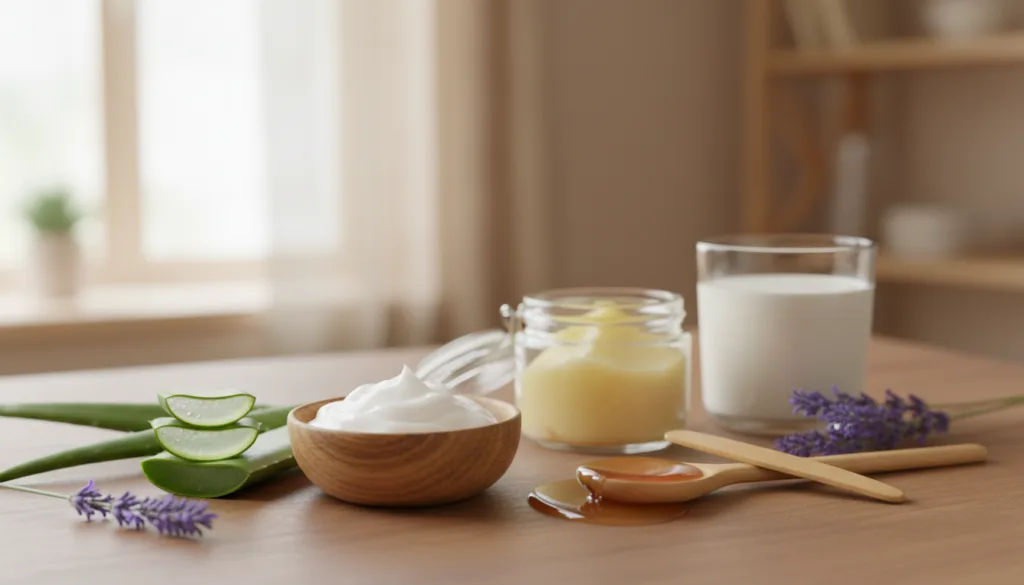
  • Honey and Yogurt Mask: Mix equal parts honey and yogurt. Apply to your face for 15-20 minutes, then rinse with warm water.
  • Avocado Mask: Mash a ripe avocado and mix with olive oil. Apply and leave on for 20 minutes.
  • Cucumber and Aloe Vera Mask: Blend cucumber and aloe vera gel. Apply to your face for a cooling, hydrating effect.

Overnight Treatments for Dry Skin

Overnight treatments are great for dry skin. They give your skin a deep hydration boost while you sleep. This makes your skin softer and more supple when you wake up.

Some good overnight treatments are:

  1. Coconut Oil Treatment: Apply coconut oil generously before bed. It keeps moisture in and nourishes dry skin.
  2. Shea Butter Treatment: Use shea butter as an overnight moisturizer. It’s full of vitamins and fatty acids that fix dry skin.
  3. Overnight Moisturizing Masks: Find masks made for overnight use. They’re made to keep your skin hydrated all night.

Adding these quick fixes to your skincare routine can give you quick relief from dry skin. They help keep your skin healthy and hydrated over time.

Debunking Myths About Dry Skin

Understanding dry skin means knowing what’s true and what’s not. Many people deal with dry skin, and there’s a lot of confusion. Let’s clear up some common myths and separate fact from fiction.

Common Misconceptions

There are many myths about dry skin. This confusion makes it hard to know how to manage it. Here are a few common misconceptions:

  • Dry skin is just a cosmetic issue.
  • You can “cure” dry skin by drinking more water.
  • Only older adults get dry skin.

Facts vs. Fiction

Let’s look at some facts and fiction about treating dry skin.

Some treatments are supported by science:

  • Using moisturizers with hyaluronic acid or ceramides helps keep moisture in.
  • Staying away from harsh soaps and cleansers can help prevent dryness.

But some treatments don’t work as well as people think:

  • Hot water can take away the skin’s natural oils, making it drier.
  • Exfoliating too much can hurt the skin’s barrier.
Myth Fact
Dry skin is only a cosmetic issue. Dry skin can mean there’s a health problem.
Drinking more water cures dry skin. You need topical treatments, not just water.
Only older adults get dry skin. Dry skin can happen to anyone.

Knowing the truth about dry skin helps you manage and treat it better.

Embracing Long-term Skincare Habits

For healthy, hydrated skin, a long-term skincare approach is key. You’ve learned many ways to fight dry skin. This includes knowing its causes, using home remedies, and making dietary changes.

Consistency is Key

Consistency is vital in skincare. Keeping up with your routine, even when you see results, is important. Using products right for your skin helps keep it healthy and strong.

Building a Personalized Skincare Routine

Creating a skincare routine that fits you is essential. Choose products with hyaluronic acid, ceramides, and natural oils. This way, you meet your skin’s needs, leading to a brighter, healthier look over time.

FAQ

What are the most common causes of my dry skin?

Dry skin can come from many sources. Low humidity and hot showers are big culprits. Harsh soaps also strip away natural oils.

In some cases, eczema or psoriasis might be the reason. As you get older, your skin makes less sebum, making it drier and more irritated.

Which specific ingredients should I look for in a moisturizer?

Look for humectants like hyaluronic acid and glycerin. They pull moisture into your skin. Ceramides help fix your skin barrier.

Emollients like squalane and shea butter make your skin smooth. For deep repair, use occlusives like petroleum jelly in Vaseline or Aquaphor.

Is it safe to use home remedies like coconut oil on my face?

Yes, coconut oil is great for many people. But if you get breakouts, try a honey and yogurt face mask. It’s antibacterial and gentle.

Oatmeal baths are also good for itchy, inflamed skin.

How can I adjust my daily routine to better support dry skin?

Start with a fragrance-free, non-foaming cleanser. Brands like CeraVe or La Roche-Posay are good choices. Avoid over-exfoliating.

Use a gentle chemical exfoliant once a week. Always apply moisturizer while your skin is damp. This helps keep your skin barrier strong.

Does my diet really affect how dry my skin feels?

Yes, it does! Eating omega-3 fatty acids in salmon and walnuts helps your skin. Make sure you get enough Vitamin E and Vitamin C too.

While drinking water is good, healthy fats are key for keeping your skin moist.

Why does my skin feel tighter and more irritated during the winter?

Cold air and heaters make the air dry, causing moisture loss. Use a humidifier and switch to thicker creams like Eucerin Roughness Relief.

Can stress lead to more frequent dry skin flare-ups?

Yes, stress raises cortisol levels, harming your skin’s water retention and causing inflammation. Exercise, meditation, and a consistent skincare routine can help.

Do I sill need to wear sunscreen if my skin is already dry?

Yes! UV damage weakens your skin barrier and causes more moisture loss. Use a hydrating sunscreen like Neutrogena Hydro Boost Water Gel Lotion SPF 50.

When is it time to stop using over-the-counter products and see a dermatologist?

See a dermatologist if your dry skin is very red, has bleeding cracks, or keeps you awake at night. They can check for underlying conditions or allergies.

What is a quick fix for extremely parched skin overnight?

Try “slugging.” Apply your usual moisturizer and niacinamide serum, then a thin layer of occlusive balm like CeraVe Healing Ointment. This seals in moisture while you sleep.
Discover the Perfect Moisturizer for Your Skin Type

Did you know your skin loses nearly a pint of water every day? This loss can make your face feel tight and look older than you are.

Finding the right moisturizers for your skin type stops this cycle. It keeps your skin healthy and glowing. It’s not just about looking good; it’s about protecting your body.

Dr. Dendy Engelman says using good moisturizers is key to healthy skin. They help keep your skin hydrated and protect it from harm.

Creating a good skincare routine shouldn’t be hard or expensive. This guide will help you find the right moisturizer for your skin.

Key Takeaways

  • Moisturizing daily reinforces the skin’s natural protective barrier.
  • Proper hydration helps prevent premature aging and environmental damage.
  • Identifying your specific skin type is the first step to choosing products.
  • A consistent routine protects your face from daily moisture loss.
  • Dr. Dendy Engelman emphasizes how hydration locks out external stressors.
  • The right product can prevent common issues like redness and irritation.

Understanding Your Skin Type

Your skin is unique, and knowing its type is key for good skincare. With many products out there, finding the right one starts with knowing your skin type. This is the first step to healthy, balanced skin.

Different Skin Types Explained

There are five main skin types: oily, dry, normal, combination, and sensitive. Each type has its own traits that affect how your skin looks and reacts to products.

  • Oily Skin: Has too much sebum, making it shiny and possibly clogged pores.
  • Dry Skin: Needs more moisture, feels tight and flaky, and looks dull.
  • Normal Skin: Balanced, smooth, and has few imperfections.
  • Combination Skin: Has oily T-zone (forehead, nose, and chin) and dry cheeks.
  • Sensitive Skin: Easily reacts to products or the environment, leading to redness, irritation, or itchiness.

How to Identify Your Skin Type

Identifying your skin type is easy with simple home methods. Two popular ways are the “watch and wait” method and the blotting sheet method.

The “watch and wait” method cleanses your face, waits an hour, and then checks how it feels and looks. If it’s tight, you have dry skin. If it’s shiny, you might have oily or combination skin.

The blotting sheet method uses papers to soak up face oil. If the papers get a lot of oil, you likely have oily or combination skin.

skin type

Importance of Tailoring Moisturizers to Your Skin

After finding your skin type, picking the right moisturizer is key. The right one balances your skin, fixes dryness or oiliness, and boosts overall health.

If you have dry skin, choose moisturizers with lots of hydrating ingredients. For oily skin, go for light, oil-free formulas. If you have combination skin, find a moisturizer that controls oil in oily areas and moisturizes dry ones.

Key Ingredients to Look For in Moisturizers

To get the most out of your moisturizer, it’s essential to know what ingredients to look for based on your skin type. Different skin types have unique needs. The right ingredients can make a significant difference in how your skin looks and feels.

Hydrating Ingredients for Dry Skin

Dry skin needs intense hydration to lock in moisture and protect against dryness. Look for moisturizers with hyaluronic acid, ceramides, and glycerin. These ingredients help retain moisture, repair the skin barrier, and soothe dryness. Hyaluronic acid, for instance, can hold up to 1000 times its weight in water, making it an excellent humectant.

moisturizer ingredients for dry skin

Lightweight Formulas for Oily Skin

If you have oily skin, you need a moisturizer that won’t clog your pores or exacerbate oiliness. Opt for lightweight, non-comedogenic formulas that are labeled “oil-free” or “lightweight.” These products are designed to provide hydration without the heaviness, helping to balance your skin’s natural moisture levels.

Soothing Ingredients for Sensitive Skin

Sensitive skin requires gentle, soothing ingredients to calm irritation and reduce redness. Niacinamide is an excellent ingredient for sensitive skin as it helps to improve the skin’s barrier function and reduce inflammation. Other soothing ingredients include aloe vera and green tea extract, which can help to calm and comfort the skin.

Anti-Aging Components for Mature Skin

Mature skin benefits from anti-aging ingredients that help to reduce fine lines, wrinkles, and age spots. Look for moisturizers containing peptides, retinol, and vitamin C. These ingredients work together to stimulate collagen production, improve skin elasticity, and brighten the complexion, giving your skin a more youthful appearance.

By choosing a moisturizer with the right ingredients for your skin type, you can achieve healthier, more balanced skin. Whether you’re dealing with dryness, oiliness, sensitivity, or signs of aging, there’s a moisturizer out there that’s tailored to your needs.

Recommended Moisturizers for Every Skin Type

Now that you know your skin type, it’s time to pick the right moisturizer. The right one can greatly improve your skin’s health and look.

Moisturizers for Dry Skin

For dry skin, rich and hydrating moisturizers are best. CeraVe Moisturizing Cream is a top choice. It gives long-lasting hydration and fixes the skin’s barrier.

Options for Oily Skin

If you have oily skin, choose lightweight, oil-free formulas. Tatcha The Dewy Skin Moisturizer is perfect. It controls shine without clogging pores.

Choices for Combination Skin

For combination skin, a gel-cream hybrid is ideal. La Roche-Posay Toleriane Ultra Fluid is a great choice. It balances hydration and oil control.

Products for Sensitive Skin

Sensitive skin needs gentle care. CeraVe Hydrating Moisturizer is a great option. It’s fragrance-free and hypoallergenic, perfect for sensitive skin.

Choosing the right moisturizer can lead to healthy, radiant, and balanced skin. Explore these options to find the best one for you.

FAQ

How can I accurately identify my specific skin type at home?

You can find out your skin type easily at home. Start by washing your face with a gentle cleanser and pat it dry. Then, wait 30 to 60 minutes without any products.

If your skin feels tight, you likely have dry skin. If it looks shiny everywhere, you have oily skin. If the shine is just in your T-zone, you have combination skin.

Try the blotting sheet method to see if you have too much sebum on your face.

Why is it important to choose a moisturizer tailored to my skin type?

Choosing the right moisturizer is key because each skin type needs something different. A good moisturizer does more than hydrate. It reinforces the skin’s natural barrier, keeping moisture in and protecting against the environment.

Using the wrong moisturizer can cause problems. A heavy cream on oily skin can clog pores. A lightweight gel might not be enough for dry skin.

Which ingredients should I look for if I have dry or mature skin?

For dry skin, look for hydrating ingredients like hyaluronic acid, glycerin, and ceramides. They help restore moisture.

If you have mature skin, look for anti-aging components like peptides, retinol, and vitamin C. These ingredients help reduce wrinkles and keep your skin looking healthy and radiant.

What are the best moisturizer recommendations for oily and combination skin?

For oily skin, choose lightweight, non-comedogenic formulas that don’t add grease. Tatcha The Dewy Skin Moisturizer is a good choice.

For combination skin, a gel-cream hybrid like La Roche-Posay Toleriane Ultra Fluid works well. It meets the needs of both oily and dry areas.

What should I use if my skin is highly sensitive or easily irritated?

A: Sensitive skin needs soothing ingredients to calm irritation and prevent flare-ups. Always choose fragrance-free and gentle products.

CeraVe offers the CeraVe Hydrating Moisturizer, loved by dermatologists. It’s mild but provides the hydration your skin needs to stay balanced.

Natural Remedies: Effective Solutions for Wellness

Did you know nearly four out of ten adults in the United States use alternative health methods? This big trend shows a major shift in how people view health. You might be looking for wellness paths that are more personal and gentle for your body.

Finding balance in a busy world is easier with the right tools. Small, intentional steps can lead to big changes in your energy and mood. Taking charge of your health makes you feel more vibrant every day.

Medical experts like Nancy Van Sloun, MD, use these methods to keep their families healthy. She believes natural options are key parts of a complete health toolkit. These remedies help you connect ancient wisdom with modern science for better wellness.

Key Takeaways

  • Nearly 40% of American adults now use alternative health approaches.
  • Medical professionals like Nancy Van Sloun, MD, support these methods.
  • Focusing on holistic health helps address root causes of issues.
  • Simple daily changes can significantly boost your mood and energy.
  • Ancient wisdom and modern science work together for better health.
  • You can build a personal toolkit for long-term vitality.

Understanding Natural Remedies and Their Benefits

Exploring natural health means learning about natural remedies. These remedies have been around for centuries. They help keep us healthy and well, using a natural approach.

What Are Natural Remedies?

Natural remedies come from plants, herbs, and organic stuff. They help prevent or fix health problems. For example, herbal teas like peppermint calm us down. Honey soothes a sore throat.

People like them because they seem safer than man-made drugs. But remember, “natural” doesn’t mean safe for everyone. It’s important to think about how they might react with other medicines or health issues.

natural health remedies

The Science Behind Natural Remedies

Natural remedies work because of special compounds they have. Echinacea boosts our immune system. Probiotics help our gut stay healthy.

Scientists are always studying these remedies. They want to know how well they work and what benefits they offer. Knowing the science helps us use these remedies wisely.

Benefits of Choosing Natural Remedies

Natural remedies offer a natural way to stay healthy. Many people choose them instead of drugs. For instance, essential oils can make us feel less stressed and happier.

They’re also good because they’re often cheaper and easier to get. But always talk to a doctor before trying a new remedy. This is true if you have health problems or take other medicines.

Common Natural Remedies for Everyday Issues

Natural remedies offer a holistic approach to managing common health concerns. They help with stress, anxiety, and digestive problems. You can add these remedies to your daily routine for better wellness and health.

Herbal Remedies for Stress Relief

Herbal remedies have been used for centuries to ease stress and promote relaxation. Try chamomile tea or passionflower supplements to calm your mind and body. These natural solutions can reduce anxiety and improve your mood.

Some popular herbal remedies for stress relief include:

  • Ashwagandha for its adaptogenic properties
  • Lavender for its calming effects
  • Valerian root for promoting relaxation and sleep

Essential Oils for Wellness

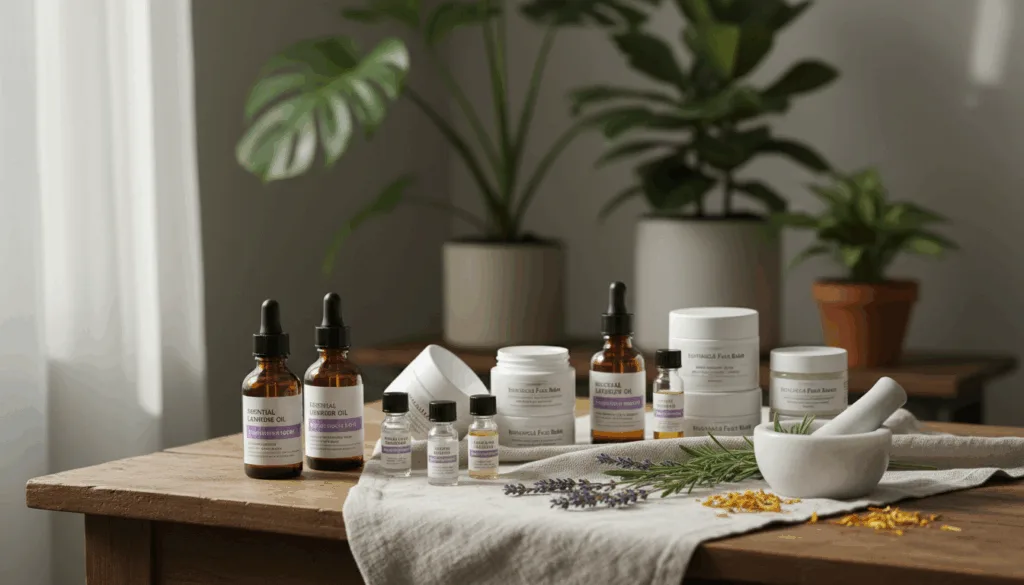
Essential oils are highly concentrated plant extracts. They can be used to promote wellness and relaxation. Use lavender oil in a diffuser for a calming atmosphere or apply peppermint oil topically to boost energy and focus.

Some of the most popular essential oils for wellness include:

  • Lavender oil for relaxation and stress relief
  • Peppermint oil for digestive issues and energy boost
  • Eucalyptus oil for respiratory problems and mental clarity

Natural Solutions for Digestive Health

Digestive issues can be uncomfortable and disrupt your daily life. Try herbal remedies like ginger or peppermint oil to soothe digestive problems. These natural solutions can help alleviate symptoms of irritable bowel syndrome and other digestive issues.

Some effective natural solutions for digestive health include:

  • Ginger for nausea and inflammation
  • Peppermint oil for irritable bowel syndrome
  • Probiotics for maintaining a healthy gut microbiome

How to Incorporate Natural Remedies into Your Lifestyle

Natural remedies offer a holistic approach to health. By adding them to your daily life, you can see big benefits. Making smart choices and sticking to a routine can boost your natural health and wellness.

Tips for Choosing the Right Remedies for You

When picking natural remedies, think about your health needs and likes. First, figure out what health issues you want to tackle, like stress or digestive problems. Look into herbal supplements, essential oils, or diet changes to find what suits you best.

For stress, try herbal teas like chamomile or peppermint. Adding mindfulness practices, like deep breathing and meditation, can also help make natural remedies more effective.

Remedy Type Health Benefit Example
Herbal Supplements Stress Relief, Digestive Health Ginkgo Biloba, Turmeric
Essential Oils Mood Enhancement, Relaxation Lavender, Bergamot
Dietary Changes Overall Wellness, Energy Boost Increased Fiber Intake, Probiotics

Creating a Natural Wellness Routine

Building a natural wellness routine is more than picking remedies. It’s about making a consistent practice for better health. Begin by setting aside time each day for self-care, like meditation or yoga.

“The greatest wealth is health.” – Virgil

Make natural remedies part of your daily life, like taking herbal supplements or using essential oils. Being consistent is key to seeing the benefits of natural health.

Mindfulness and Its Role in Natural Healing

Mindfulness is key in natural healing by lowering stress and promoting calm. Activities like deep breathing, meditation, and yoga can make natural remedies work better.

natural health practices

By mixing mindfulness with natural remedies, you can build a strong self-care routine. Remember, finding the right natural health path is a personal journey that might take some trial and error.

Safety and Regulations: What You Should Know

It’s important to know about the safety and rules of natural remedies. Dietary supplements are not as strictly regulated as prescription drugs. This can raise concerns about drug interactions and contamination.

Dosage and Quality Control

Knowing the right dosage is key to avoid bad side effects. Look for products that follow good manufacturing practices (GMPs). Brands like Nature’s Bounty and NOW Foods are known for their quality and safety.

Consulting a Healthcare Professional

If you have health issues or take prescription drugs, talk to a doctor before trying natural remedies. They can guide you on safe use and avoid any harmful interactions.

Debunking Myths

Some think natural remedies are always safe because they’re natural. But, this isn’t true. Knowing the rules and risks helps you make better choices. By understanding safety and regulations, you can use natural remedies safely and effectively.

FAQ

Why are natural remedies becoming a staple in modern wellness routines?

A: Nancy Van Sloun, MD says natural remedies are key for a healthy family. They offer a holistic approach to wellness. Many turn to them to complement modern medicine and avoid synthetic chemicals.

Can herbal teas and honey really help with common ailments like a sore throat?

Yes, they can! Herbal teas and Manuka honey soothe sore throats. Honey is a natural cough suppressant. Warm liquids keep you hydrated. These natural ingredients can manage minor symptoms at home.

How do probiotics contribute to my digestive health?

A: Probiotics, like those in Culturelle or kombucha, balance your gut microbiome. They introduce good bacteria, improving digestive health and boosting your immune system. They even help your mood through the gut-brain axis.

Which natural remedies are best for managing nausea and IBS?

For nausea, ginger is very effective. For irritable bowel syndrome (IBS), peppermint oil capsules relax digestive muscles. Turmeric also reduces body inflammation.

How can I use essential oils to reduce stress and improve relaxation?

A: Essential oils like Lavender and Chamomile are great for stress relief. Use a nebulizing diffuser or apply diluted oils to pulse points. They signal your body to relax and calm down.

Are there natural options to help with sleep and recovery?

Absolutely. Magnesium supplements relax muscles and prepare for rest. Melatonin helps regulate your circadian rhythm. Elderberry syrup supports the immune system during recovery.

What should I know about the safety and quality of dietary supplements?

Remember, dietary supplements aren’t regulated like prescription drugs. Look for products with high bioavailability and third-party testing labels like USP or NSF. This ensures quality control and accurate dosage.

When is it necessary to consult a healthcare professional before trying a natural remedy?

Always talk to your primary care physician before starting new remedies, if pregnant, nursing, or on prescription medications. Some herbs can interact with drugs. A doctor can help ensure your natural wellness routine is safe and effective.

How does mindfulness play a role in natural healing?

A: Mindfulness and meditation are key for self-care. They help you listen to your body’s signals. This awareness lets you choose the right remedies, making your natural healing more effective.

Why Your Makeup Doesn’t Last All Day (And How to Fix It)

If your makeup looks great at 9 a.m. but fades by lunch, you’re not alone. Many people struggle with makeup fading quickly. The key to keeping your makeup in place is a smooth, well-prepped canvas.

The need for long-lasting cosmetics is growing in the U.S. The global anti-aging market, which includes long-wear products, was worth $38.62 billion in 2018. It’s expected to reach $60.26 billion by 2026. Often, staying power problems arise from not considering our skin type.

This guide will help you understand why makeup doesn’t last all day and provide solutions. Knowing how your skin reacts to different products is key. Let’s uncover the common reasons and find ways to keep your makeup looking fresh.

Key Takeaways

  • Skin preparation is the most vital step for product longevity.
  • Your specific skin type significantly impacts how long cosmetics remain visible.
  • The global market for long-wear beauty products is growing rapidly.
  • Excess oil and uneven texture are primary causes of early fading.
  • Using the right primer creates a necessary barrier for all-day wear.
  • Environmental factors in the United States can affect your daily look.

Why Your Makeup Doesn’t Last All Day: The Main Culprits

Knowing why your makeup doesn’t last is key to a long-lasting look. Several things can make your makeup fade fast. Finding out what they are is the first step to fixing the problem.

Your Skin Type Affects Makeup Longevity

Your skin type greatly affects how long your makeup stays on. Whether you have dry, oily, or combination skin, the right products and methods can help. For example, dry skin needs moisturizing products to avoid flakiness that can crack makeup. Oily skin needs products that control oil to prevent makeup from sliding off.

Oil Production Breaks Down Your Foundation

Too much oil can make your makeup fade quickly. When your skin produces a lot of oil, it can break down your foundation. This causes it to separate or fade. Using a primer and setting powder can help control oil and make your makeup last longer. Oil-control products are great for oily skin.

Layering Too Many Products Causes Separation

While layering products can be good, too much can cause problems. It’s important to find the right balance. Too many layers can make your makeup slide off or cake, shortening its life.

Product Layering Effect on Makeup Longevity
Primer + Foundation Enhances durability
Excessive layering Causes separation and reduces longevity
Setting Powder Helps set the makeup for longer wear

Climate and Humidity Impact Makeup Wear

Climate and humidity greatly affect how long your makeup lasts. High humidity can make makeup melt or become oily. Dry climates can cause dryness and flakiness. Knowing this can help you choose the right products and techniques for your environment. For example, waterproof or water-resistant products work well in humid conditions.

Mistakes That Make Your Makeup Fade Faster

Mistakes like not preparing your skin, using the wrong products, and not setting your makeup can all shorten makeup wear. Avoiding these mistakes and using the right techniques can improve makeup longevity.

By understanding and addressing these factors, you can make your makeup last all day. Learning how to make makeup last longer involves using the right products, techniques, and knowing your skin and environment.

How to Make Your Makeup Last Longer: Practical Solutions

The secret to long-lasting makeup is in how you prepare your skin and use setting products. To get a flawless look all day, start with a solid foundation.

Prepare Your Skin Properly Before Makeup Application

Before makeup, prepare your skin well. A good skincare routine is key to keeping makeup in place. Cleanse your skin thoroughly to remove dirt and impurities. Then, use a moisturizer that fits your skin type to hydrate.

Primer is also essential. It acts as a barrier between your skin and makeup. This makes your makeup apply more evenly and last longer.

Understanding the Role of Setting Products

Setting products are key to keeping your makeup on all day. They lock your makeup in place, stopping it from fading or getting oily.

How Primer Creates a Long-Lasting Base

A good primer can make your makeup last longer. It fills in pores and fine lines, making your skin smooth. This helps your makeup stay put and look fresh.

Setting Powder Controls Oil and Locks Makeup

Setting powder is used to set your makeup. It controls oil and keeps your makeup from getting greasy. It also locks your makeup in place, making it last longer.

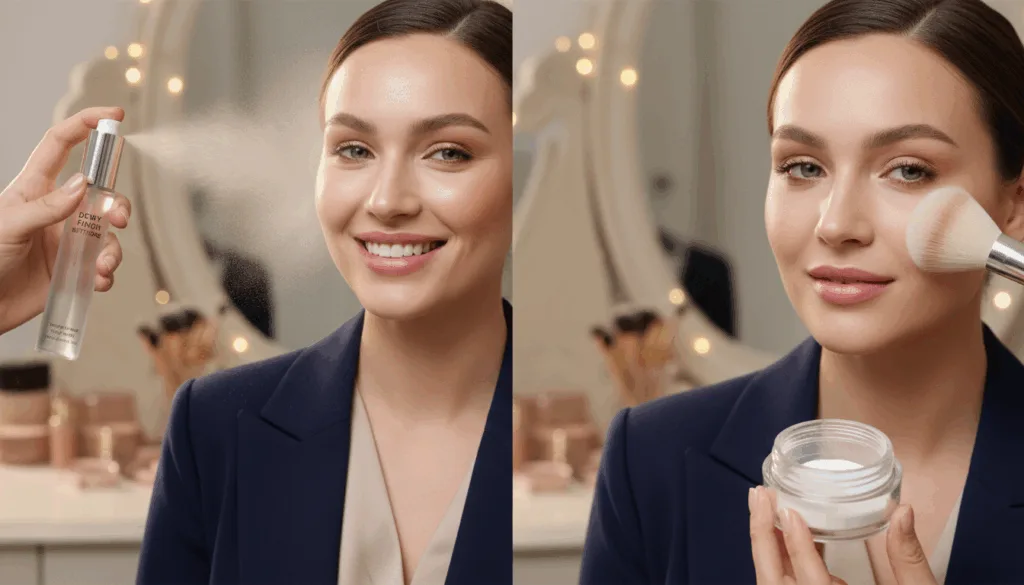
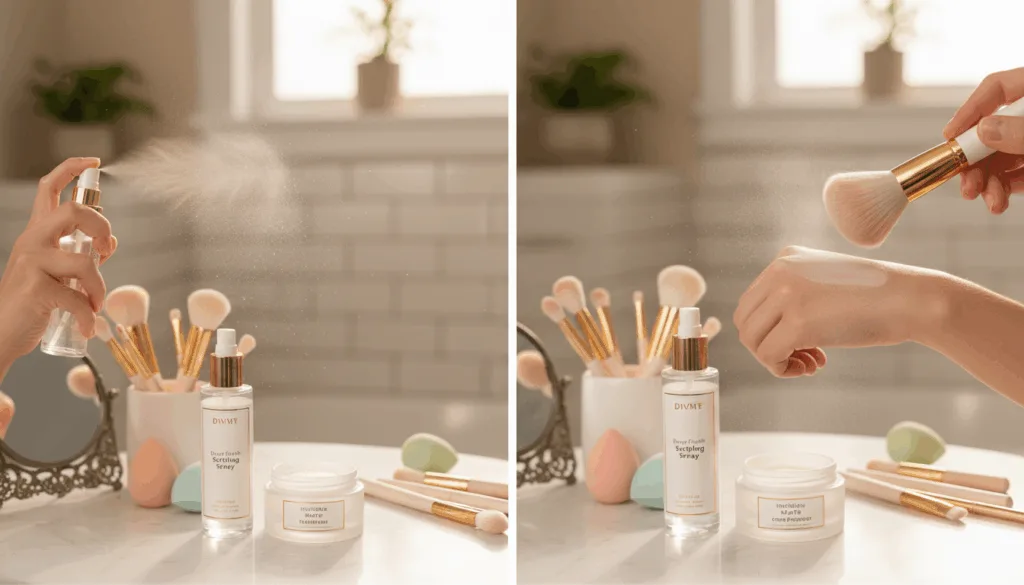
Setting Spray Seals Everything in Place

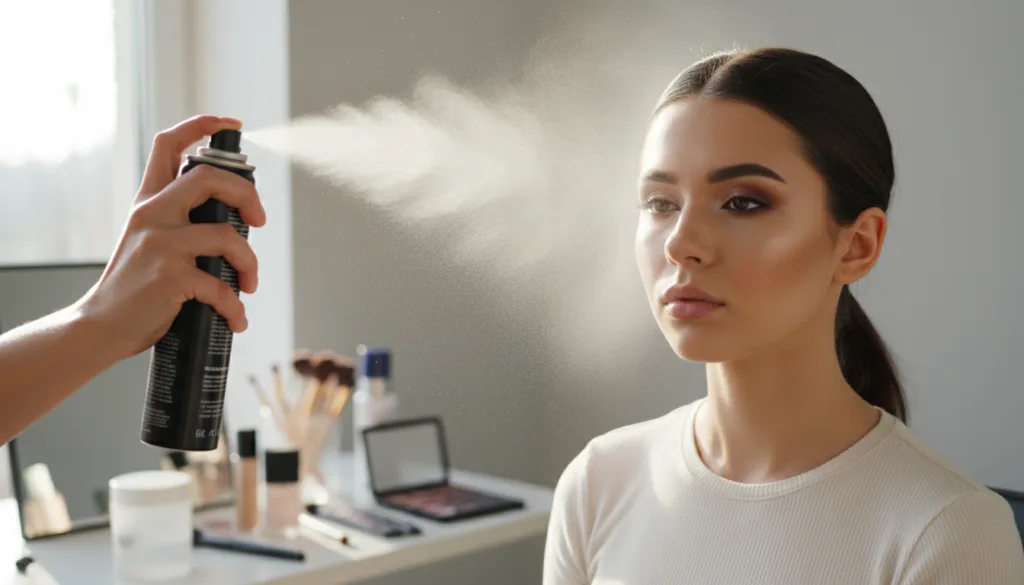
A setting spray is the last step in setting your makeup. It seals all your makeup layers, keeping them in place all day. This is great for humid or hot weather.

makeup setting techniques

Step-by-Step Routine for All-Day Makeup Wear

Here’s a simple routine for all-day makeup:

  1. Cleanse and moisturize your skin.
  2. Apply a primer for a smooth base.
  3. Put on your foundation and concealer.
  4. Set your makeup with a setting powder.
  5. Finish with a setting spray to seal it all in.
Product Purpose Benefits
Primer Creates a smooth base for makeup Improves makeup adhesion, fills pores and fine lines
Setting Powder Sets makeup, controls oil Prevents makeup from getting greasy, extends wear
Setting Spray Seals makeup in place Ensures long-lasting makeup, withstands humidity and heat

Conclusion

Figuring out why your makeup doesn’t last all day is key to a flawless look. Your skin type, how oily it gets, and the makeup you use all matter. By getting your skin ready right and using the best products, you can make your makeup last longer.

To keep your makeup on all day, start with a good skin prep. Then, use setting products and apply makeup the right way. These steps will help you look fresh and polished all day long.

With the right skin care, makeup, and techniques, you can avoid constant touch-ups. Follow the tips in this article to solve makeup staying power issues. You’ll get the beautiful, lasting makeup look you’ve always wanted.

FAQ

Why doesn’t my makeup last all day even when I use expensive brands?

High-end products are great, but makeup longevity issues are often caused by poor skin preparation or using the wrong formula for your skin type. If you have oily skin but use a dewy foundation, it will likely slide off regardless of the price tag. Proper makeup setting techniques are essential for any brand.

What is the best makeup for oily skin to prevent fading?

If you struggle with oil, look for “mattifying” or “oil-free” labels. Using a primer like Fenty Beauty Pro Filt’r Mattifying Primer and setting with a loose powder will help manage sebum and solve makeup staying power problems.

How can I stop foundation from melting in the summer heat?

To stop foundation from melting, use a water-resistant primer and a powerful setting spray like Urban Decay All Nighter. Also, try “thinning out” your layers—the less product you have on your face, the less there is to melt when temperatures rise.

How to set makeup properly for a natural look?

To set makeup properly without looking cakey, only apply setting powder to the areas where you get oily (like the T-zone). Then, use a hydrating setting spray to melt the powder into the skin, giving you a seamless, long-lasting finish.

Why is my makeup not staying on my nose?

The nose is one of the oiliest parts of the face and is often touched throughout the day. To improve makeup staying power here, apply a bit of eye primer to your nose before foundation—it’s a pro trick for how to make makeup last longer on slippery areas.

What are the most effective makeup longevity tips for beginners?

The best makeup longevity tips include: always start with a clean face, use a damp sponge for application to “press” the product in, and never skip setting spray. These three steps will significantly help in keeping makeup staying fresh.

How to Choose the Right Foundation Shade (Without Guessing)

Finding the perfect foundation shade can feel like a guessing game. You stand in makeup aisles, trying different colors on your wrist. But, each swatch looks different under store lights versus outside.

Mismatched foundation can make your skin look harsh and mask-like. To succeed, you need a makeup matching method that looks natural.

There’s a secret to finding the right shade. It’s about knowing the difference between your surface color and true undertone. Your undertone can be cool, warm, or neutral, and it doesn’t change with a tan or redness.

Understanding this can prevent your makeup from looking ashy. A simple trick is to check your veins in natural sunlight.

This method ensures your skin looks flawless and glowing all year round. Mastering this skill boosts your confidence in your beauty routine.

Your skin deserves products that celebrate natural beauty and provide seamless finishes. Don’t settle for foundation shades that almost work. Instead, choose what truly enhances your beauty.

Key Takeaways

  • Identify if your undertone is cool, warm, or neutral.
  • Separate temporary surface redness from permanent undertones.
  • Observe veins in natural light for better accuracy.
  • Test possible matches on your jawline instead of your wrist.
  • Ensure your pick looks natural in all lighting.
  • Mastering makeup application requires patience and testing.

Understanding Foundation Matching Fundamentals

Before you start looking for foundations, it’s important to know the basics. The right foundation shade can make you look and feel great. The wrong one can be distracting.

Why Choosing the Correct Foundation Shade Matters

Finding the right foundation shade is key. It can make your makeup look natural and enhance your features. A wrong shade can highlight imperfections and ruin your look.

A correct foundation match can boost your confidence by giving you a flawless finish.

“The right foundation is the foundation of a great makeup look. It’s all about finding that perfect match that makes your skin look like, well, skin.”

The Difference Between Undertone and Surface Tone

Knowing the difference between undertone and surface tone is important. Your surface tone changes due to sun, seasons, or skin conditions. Your undertone is your skin’s natural color, which stays the same.

Undertones can be cool, warm, or neutral. Knowing your undertone helps find the right foundation.

Undertone Description Characteristics
Cool Pink or blue undertones Looks best in blue-based foundations
Warm Yellow or golden undertones Suits yellow-based foundations
Neutral Balance between cool and warm Can pull off a wide range of foundation shades

Identifying Your Undertone: Cool, Warm, or Neutral

There are simple tests to find your undertone at home.

Simple At-Home Undertone Tests You Can Do Right Now

  • Wrist Vein Test: Check the color of your wrist veins. Blue or purple means cool. Green is neutral. Yellow or golden is warm.
  • Jewelry Test: See how silver and gold jewelry looks on you. Silver makes cool skin glow. Gold suits warm skin. Neutral skin looks good with both.

After finding your undertone, you can choose the right foundation. Cool undertones need pink or blue foundations. Warm undertones need yellow or golden ones. Neutral undertones can try many shades.

Knowing your undertone is key to finding the perfect foundation. It helps you get a flawless, natural look.

How to Choose the Right Foundation Shade: A Step-by-Step Guide

Finding the right foundation shade doesn’t have to be hard. Just follow these simple steps. Understanding a few key factors will help you find the perfect match for your skin.

Step 1: Understand How Lighting Affects Foundation Matching

Lighting is key when matching foundation shades. Different lights can change how your foundation looks. Natural light shows the true color best. Artificial light can make colors look different.

Always test foundation in natural light if you can. If you’re in a store, find a spot near a window. Online, look for brands with shade-matching tools or consultations.

foundation shade matching

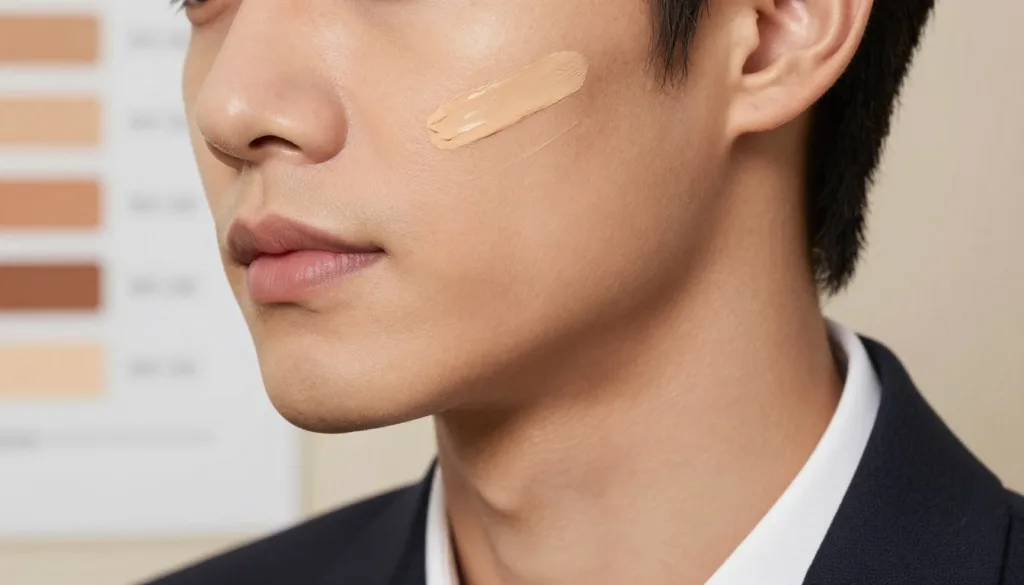
Step 2: Test Foundation on Your Jawline for the Most Accurate Match

Testing foundation on your jawline is a good idea. It shows how the foundation will look on your face and neck. Your jawline’s skin tone is usually close to your face’s overall tone.

Apply a small amount of foundation to your jawline and blend it well. Check how it looks in different lights. If it looks natural, it’s probably the right shade.

Step 3: Consider Your Skin Type When Selecting Foundation

Your skin type affects how foundation works on you. For oily skin, choose foundations that control oil or have a matte finish. For dry skin, look for hydrating or moisturizing foundations.

Knowing your skin type helps you pick a foundation that matches your tone and meets your skin’s needs.

Step 4: Account for Foundation Oxidation

Foundation oxidation happens when it reacts with your skin’s oils, changing color over time. This can make the foundation look darker or more orange than it did when you first applied it.

Why Foundation Looks Darker After Application

Foundation oxidation can darken it because of your skin’s natural oils. This is more common in foundations with certain ingredients that oxidize easily.

How to Test for Oxidation Before Buying

To test for oxidation, apply a small amount of foundation to your jawline and wait 10-15 minutes. See if the color changes a lot. If it darkens a lot, it might not be the best choice.

Step 5: Master In-Store and Online Foundation Shopping

Shopping for foundation in-store or online can be easy with the right strategies.

Best Practices for Testing Foundation in Store

When testing foundation in-store, clean your skin first. Use a mirror with good lighting. Don’t hesitate to ask for samples or help from beauty advisors.

How to Match Foundation Shade When Shopping Online

Online, use shade-matching tools or quizzes from brands. Some offer virtual try-on features. If you can, order samples before buying the full size to make sure it’s the right match.

Common Foundation Shade-Matching Mistakes to Avoid

Don’t test foundation on the wrong areas like your hand or wrist. Also, remember that your skin tone can change with the seasons. Knowing these mistakes helps you find a foundation that matches your skin tone well.

Conclusion: Your Complete Foundation Shade Selection Checklist

Now you know how to find the perfect foundation match. Choosing the right foundation color is key for a natural look.

Here’s a quick checklist to help you:

Find out if your skin is cool, warm, or neutral.
Test foundation shades on your jawline.
Think about your skin type and how it affects foundation wear.
Remember foundation can change color over time.
Shop in-store or online, using the tips provided.

By following these steps, you’ll find the perfect foundation. It will enhance your natural beauty.

FAQ

How do I know if I need a foundation shade for yellow undertone?

You likely need a foundation shade for yellow undertone if you notice that gold jewelry looks better on you than silver and your veins appear slightly green. Brands like Fenty Beauty and Exa Beauty offer excellent ranges specific to these warm, golden hues.

What is the best way to handle foundation oxidation explained?

To manage foundation oxidation, always ask for a sample at stores like Sephora and wear it for a full day. If you notice the color turning orange or darker after an hour, try selecting a shade that is one half-step lighter or use a primer to create a barrier between your skin oils and the makeup.

Can you explain how to match foundation online accurately?

The best way for how to match foundation online is to use a “shade finder” tool that references a brand you already wear. Sites like Findation.com allow you to enter your current favorite shades from other brands to find the equivalent match in a new brand. Also, look for brands that show swatches on various models with different skin tone matching for foundation profiles.

Is there a specific guide to choosing foundation shade for beginners?

Yes! This guide to choosing foundation shade suggests starting with your undertone (cool, warm, or neutral) and then narrowing down the intensity (fair to deep). Always prioritize matching the foundation to your neck and jawline to avoid the “floating head” look.

What are the best practices for selecting foundation shade if I have a tan?

When selecting the ideal foundation color during summer, you may need to go one or two shades darker than your winter color. Yet, keep your undertone the same. Many pros recommend keeping a “light” and “dark” version of your favorite foundation, like NARS Sheer Glow, and mixing them during transitional seasons.

How do I choose the correct foundation color for very pale skin?

For very fair skin, focus on the foundation undertone guide. Many fair foundations lean very pink; if you have a neutral or warm undertone, look for “fair-neutral” or “fair-warm” options from brands like Haus Labs to avoid looking ashy.

Fenty Beauty Gloss Bomb Review: Is It Really Worth the Hype?

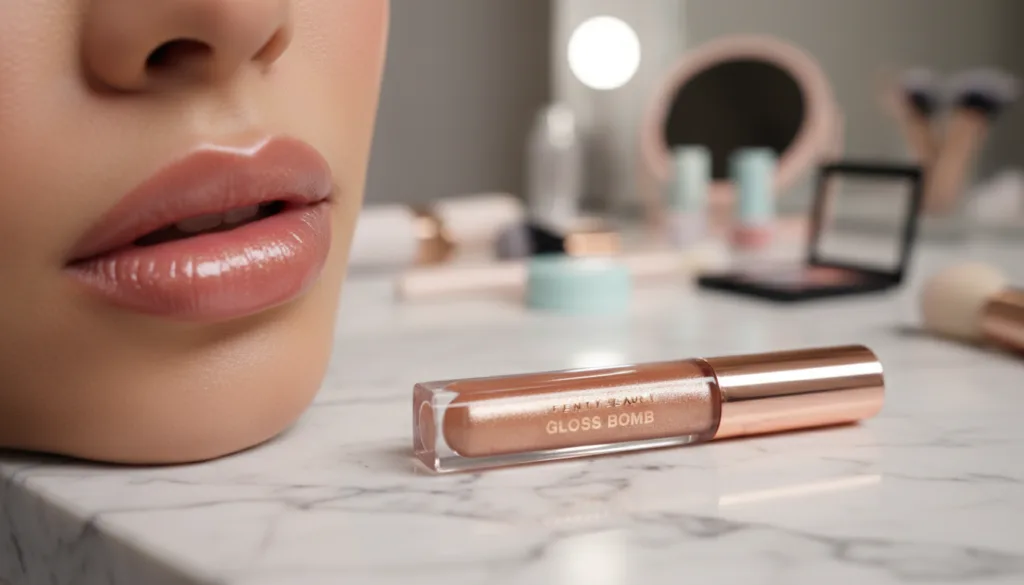
Ever looked for a lip gloss that really shines? You’ve probably seen this product everywhere online. It claims to give an explosive high-impact shine for all skin tones and any event.

Many fans say the fenty beauty gloss bomb price is worth it because of its special formula. This gloss has a universal tint that makes your smile pop. It’s a top choice for adding quality and comfort to your makeup routine.

Looking for the best lip shine in the usa often brings you back to this favorite. In this review, we’ll check if Rihanna’s Gloss Bomb is as famous as everyone says. You’ll see if it stays comfy all day without feeling sticky.

Key Takeaways

  • Features a universal tint designed to flatter every skin tone.
  • Provides an explosive high-impact shine for maximum dimension.
  • Formula contains conditioning shea butter for deep lip nourishment.
  • Delivers a non-sticky feel for comfortable, all-day wear.
  • Includes a delicious peach-vanilla scent in every tube.
  • Offers a holographic shimmer that enhances natural lip color.

What Is Fenty Beauty Gloss Bomb and Why Is It So Popular

Fenty Beauty’s Gloss Bomb is loved for its wide range of shades and nourishing ingredients. It’s known for its universally flattering shades and non-sticky feel. This makes it a top choice for anyone seeking a quality lip gloss.

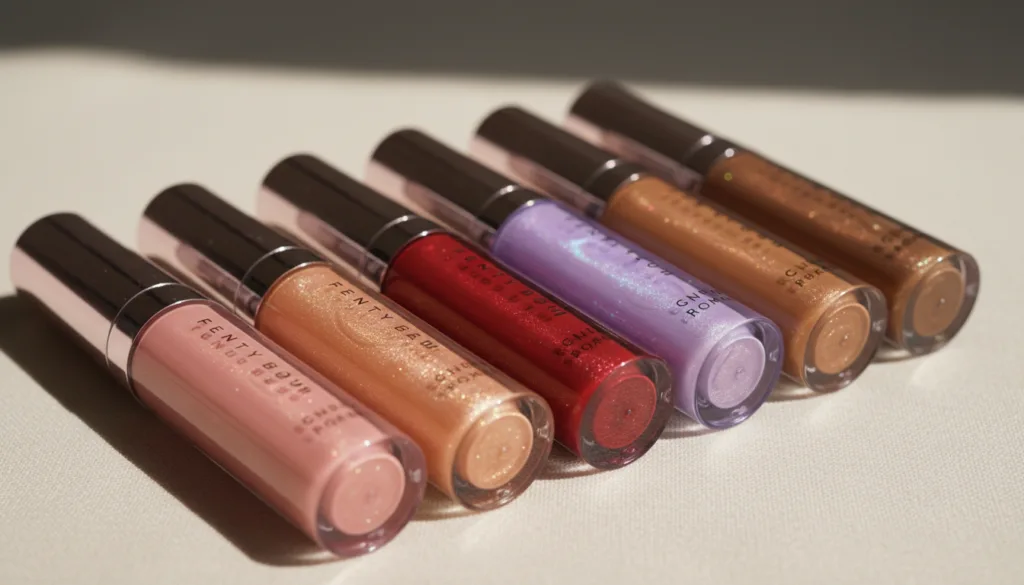
The Gloss Bomb offers a vast fenty gloss bomb shades range. It caters to all skin tones and preferences. Whether you want a subtle shine or a bold look, there’s a shade for you. The fenty beauty gloss bomb shade range is inclusive, ensuring everyone finds their perfect match.

The Gloss Bomb’s popularity stems from its unique formula. It combines the shine of a high shine lip gloss with nourishing shea butter. This keeps your lips moisturized and comfortable all day.

Here’s what sets Fenty Beauty Gloss Bomb apart:

Feature Description Benefit
Inclusive Shade Range Diverse shades for different skin tones Everyone can find a flattering shade
Nourishing Ingredients Contains shea butter for moisturizing Lips stay comfortable and hydrated
Non-Sticky Texture Formulated for a comfortable wear No sticky or tacky feeling

The Gloss Bomb’s features have made it a favorite in the beauty world. Its high shine finish and comfortable wear make it ideal for everyday or special occasions.

Texture and Formula Analysis

A good lip gloss should look great and feel comfortable. Fenty’s Gloss Bomb aims to do just that. Its unique texture and formula make it stand out.

The Gloss Consistency

The Gloss Bomb has a smooth and creamy texture. It’s not too runny or too thick. This optimal consistency makes it easy to apply and comfortable to wear.

Reviewers love the Gloss Bomb for its non-sticky texture. This is a big plus for those who prefer a natural feel on their lips.

Formula Ingredients and What They Do

Fenty Beauty’s Gloss Bomb formula includes nourishing ingredients like shea butter. Shea butter is known for its moisturizing properties. It helps to nourish and soften lips.

This makes the Gloss Bomb a great choice for those with dry lips. The ingredients not only enhance comfort but also contribute to lip care.

Understanding the texture and formula of the Gloss Bomb shows its value. It’s a lip gloss that combines beauty with comfort and care for your lips.

Shine Level and Finish Quality

Fenty Beauty’s Gloss Bomb is changing the game with its bright shine and lively finish. It’s a high shine lip gloss that shines brightly and makes a lasting impression. The Gloss Bomb’s special formula gives a glossy look that’s both young and full of life.

The Gloss Bomb’s shine is truly amazing, making it a top choice in lip glosses. Whether you want a soft glow or a bold look, this gloss has you covered. Beauty fans love Fenty Beauty Gloss Bomb swatches because they show how well it adds shine to any lip color.

The Gloss Bomb’s finish is top-notch, too. It goes on smoothly and evenly, looking great on its own or over lipstick or lip liner. As one of the best Fenty Beauty lip glosses, it’s a must-try for anyone wanting to step up their lip game.

Comfort and Wearability on Your Lips

You want a lip gloss that looks great and feels amazing. Fenty Beauty Gloss Bomb is popular for its comfort and wearability.

Is Fenty Gloss Bomb Sticky

Many worry about lip glosses being sticky. But, Fenty Gloss Bomb is non-sticky. It feels smooth on your lips without any tackiness.

How It Feels Throughout the Day

Fenty Gloss Bomb is lightweight and comfortable. It doesn’t feel heavy or greasy. You can wear it all day with confidence.

Scent and Flavor Profile

Fenty Gloss Bomb has a nice peach-vanilla scent. It’s not too strong. The scent makes applying and wearing it a pleasure.

Feature Description User Experience
Stickiness Non-sticky formula Users report a smooth, non-tacky feel
Comfort Lightweight and comfortable Feels great throughout the day
Scent Peach-vanilla fragrance Pleasant, not overpowering

How Long Does Fenty Gloss Bomb Last

Fenty Beauty Gloss Bomb is loved for its long-lasting shine. You might wonder how it compares to other glosses in staying power.

Fenty Gloss Bomb is made to last, but its wear time can change based on your habits. People say it works well but needs touch-ups, mainly after eating or drinking. This is because glosses fade faster than lipsticks or stains.

Factors Affecting Longevity

  • Eating and drinking habits
  • Lip care routine
  • Type of food consumed (e.g., oily or sticky foods)

To make your Fenty Gloss Bomb last longer, try using a lip liner first. It acts as a barrier. Also, gently blot your lips after applying to prevent feathering and extend wear.

If you’re searching for dupes for Fenty Beauty Gloss Bomb, many options offer similar shine and longevity. Yet, Fenty’s unique formula and wide shade range set it apart in the beauty world.

In short, Fenty Gloss Bomb might not last as long as some lipsticks. But for a gloss, its longevity is impressive. With the right application and a little care, you can enjoy a glossy look that lasts.

Fenty Beauty Gloss Bomb Shade Range and Swatches

Fenty Beauty’s Gloss Bomb has a wide range of shades. You’ll find a perfect match for your skin tone. Whether you want a natural shine or a bold look, Fenty Beauty has it all.

fenty gloss bomb shades

Fenty Glow (Original)

Fenty Glow is a sheer pink that suits everyone. It adds elegance to any look. It’s great for a natural, effortless finish.

Fu$$y

Fu$$y is a bold, vibrant red. It’s perfect for those who love to stand out. It adds a fun pop of color to your makeup.

Diamond Milk

Diamond Milk gives lips a shiny, glamorous look. It’s perfect for adding glamour to your makeup.

Hot Chocolit

Hot Chocolit is a rich, chocolatey brown. It’s great for those who love deeper lip colors. It adds sophistication to any look.

How Different Shades Look on Various Skin Tones

Fenty Beauty’s Gloss Bomb suits many skin tones. Whether you have fair, medium, or deep skin, there’s a shade for you. Lighter shades like Fenty Glow look great on fair skin, while deeper shades like Hot Chocolit are stunning on darker skin.

By having so many shades, Fenty Beauty makes Gloss Bomb inclusive. Everyone can enjoy its comfort, shine, and style.

Layering Gloss Bomb Over Lipstick and Lip Liner

The Fenty Beauty Gloss Bomb is great for layering over lipstick and lip liner. It makes your lip look even better by adding to your favorite lip products.

Layering the Gloss Bomb over lipstick gives your lips a shiny, moist look. It’s non-sticky, so it won’t feel heavy or uncomfortable.

Try different ways to layer the Gloss Bomb. For example, it can deepen bold lipstick colors. Or, layer it over lip liner for a glossy, defined lip shape.

Layering Option Effect Best For
Gloss Bomb over Lipstick Adds shine and moisture Enhancing bold lip colors
Gloss Bomb over Lip Liner Defines lip shape and adds gloss Creating a precise, glossy look
Gloss Bomb alone Provides sheer to medium coverage Everyday, natural look

Using the Fenty Beauty Gloss Bomb in your layering routine can give you many looks. It’s perfect for both everyday natural looks and dramatic evening styles. The Gloss Bomb is a versatile product that can really enhance your lip makeup.

Fenty Beauty Gloss Bomb Review: Pros and Cons

Thinking about the Fenty Beauty Gloss Bomb? It’s good to know its good and bad sides. This product has many fans, but knowing its strengths and weaknesses helps you choose if it’s for you.

Pros of Fenty Beauty Gloss Bomb

The Gloss Bomb is loved for its comfy formula and many shades. People like how easy it is to apply and the shine it gives. Its wide range of shades is a big plus, fitting many skin tones.

  • Comfortable, non-sticky formula
  • Inclusive shade range
  • Easy application
  • High shine finish

Rihanna, the creator of Fenty Beauty, believes beauty is for everyone. This is seen in the Gloss Bomb’s many shades.

Cons of Fenty Beauty Gloss Bomb

Though many like the Gloss Bomb, some find some shades too sheer. They might need a lip liner for better wear. The price can also be a problem for some.

  • Some shades may require lip liner
  • Price may be considered high by some

Price and Value Consideration

The Gloss Bomb costs $18. This is a fair price for its quality, applicator, and shades. Many think it’s a good buy.

Fenty Beauty Gloss Bomb price

Application Tips for Best Results

Here are tips to get the best from your Gloss Bomb.

Direct Application Method

For a natural look, just apply the Gloss Bomb to your lips. It’s perfect for daily use.

Layering for Maximum Shine

For more shine, layer the Gloss Bomb over lipstick or lip liner. It makes your lips look more vibrant.

Making Your Gloss Last Longer

To make your Gloss Bomb last, use a lip liner first. Then, gently blot your lips after applying the gloss. This stops it from feathering and makes it last longer.

Conclusion

You’ve seen the buzz about Fenty Beauty Gloss Bomb. Now, you know why it’s a top pick in the USA. It’s known for its comfy feel, lasting shine, and wide range of colors.

If you want a lip gloss that’s both stylish and comfortable, try Fenty Beauty Gloss Bomb. Its formula lasts all day, keeping your lips looking great. Whether you prefer a natural look or something bold, Fenty Beauty has you covered.

Ready to try the best lip gloss out there? Give Fenty Beauty Gloss Bomb a go. It’s sure to make your lips shine all day long.

Fenty Beauty Gloss Bomb Review: Pros and Cons

The Gloss Consistency

When you apply it, you’ll feel its creamy texture. It’s thicker than a lip oil but lighter than a standard gloss. This makes it easy to apply with its large wand.

Formula Ingredients and What They Do

The Gloss Bomb’s magic comes from its ingredients. It has shea butter to nourish and soften your lips. This makes it great for dry lips, providing moisture while you wear it.

If you want a glossy look, this is perfect. It makes your lips look fuller and smoother. The finish is vibrant and youthful, reflecting light beautifully.

Is Fenty Gloss Bomb Sticky

No, it’s not sticky. Unlike old glosses, this one is smooth and won’t stick your hair to your face.

How It Feels Throughout the Day

It feels very lightweight. As the day goes on, the shea butter keeps your lips hydrated. Your lips will feel better when you remove it than before.

Scent and Flavor Profile

It has a peach-vanilla scent. It’s subtle but pleasant, making every reapplication a treat.

It lasts surprisingly well. You can expect a few hours of shine before it fades into a soft glow. Reapply after eating or drinking for the best look.

Fenty Glow (Original)

The original shade is a perfect nude rose. It looks great on all skin tones.

Fu$$y

This shade is a delicate pink with shimmer. It’s perfect for everyday wear.

Diamond Milk

This shade is a shimmering pearl. It gives your lips a dewy, ethereal look.

Hot Chocolit

This rich, shimmering brown shade adds sophistication. It shows the Gloss Bomb has something for everyone.

How Different Shades Look on Various Skin Tones

Looking at swatches, you can see how the XXL wand applies evenly. The translucent pigments let your natural lip color show, creating a custom look.

You can turn any matte lipstick into a glossy masterpiece. Just dab a bit of Gloss Bomb in the center. It also pairs well with Fenty Beauty Stunna Lip Paint or a lip liner for a 90s-inspired look.

Pros of Fenty Beauty Gloss Bomb

  • Non-sticky and incredibly comfortable.
  • Universally flattering shades.
  • Intense high-shine finish.
  • Nourishing ingredients like shea butter.

Cons of Fenty Beauty Gloss Bomb

  • Higher price point than drugstore options.
  • Requires reapplication throughout the day.

Price and Value Consideration

The Gloss Bomb costs about . While it’s pricey, its large size and quality ingredients make it a good value for those seeking the best.

Application Tips for Best Results

Exfoliate your lips first. Apply a single swipe to the bottom lip, then press your lips together. You’re ready to glow!

How to Apply Blush for Your Face Shape (Simple Guide That Works)

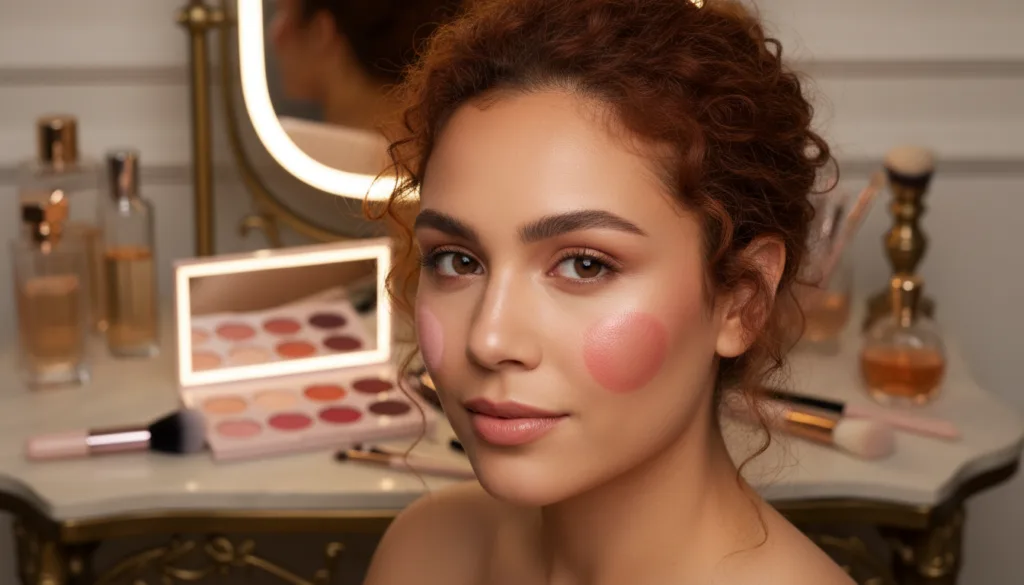
Blush can make your face look brighter, but only if you apply it in the right spot. To enhance your natural beauty, you need to know your face shape and the best blush application techniques. First, figure out your face shape.

There are several face shapes: round, oval, square, heart-shaped, and long. Each shape has its own way to look better with the right blush placement. With a simple guide, you can learn how to apply blush to highlight your features and get a natural, rosy look.

Key Takeaways

  • Understanding your face shape is key for applying blush right.
  • Different face shapes need different blush placement methods.
  • A simple guide can help you master blush application.
  • Blush can make your natural features stand out and give your face a healthy glow.
  • Proper blush application can instantly brighten your face.

Understanding Face Shapes and Blush Placement

Blush can change your look in big ways. But first, you need to know your face shape. The right blush placement can highlight your natural beauty and balance your face.

Why Strategic Blush Placement Transforms Your Face

Choosing the right blush spots can really change how you look. It can define your jawline, emphasize your cheekbones, and even slim down or round out your face. It’s not just about adding color; it’s about bringing out your best features.

The 5 Common Face Shapes and How to Identify Yours

There are five main face shapes: round, oval, square, heart-shaped, and long. To figure out yours, look at these traits:

Face Shape Characteristics
Round Curved lines, full cheeks, similar length and width
Oval Longer than wide, balanced features, slightly curved lines
Square Angular lines, prominent jawline, similar length and width
Heart-Shaped Wide forehead, narrow chin, pointed chin
Long Longer than wide, narrow features, sometimes with a prominent forehead

Knowing your face shape helps you use blush better to boost your features.

How to Apply Blush for Your Face Shape

The right blush placement can change how your face looks. Knowing how to apply blush for your face shape can make your natural features stand out. It also boosts your confidence.

Round Face: Blush Placement to Create Definition

For round faces, put blush on the apples of the cheeks and a bit towards the hairline. This makes your face look longer. Use a soft motion to blend the blush for a natural look.

Oval Face: Enhancing Your Natural Balance

Oval faces are perfect for most makeup looks. To look even better, put blush on the cheekbones. Start from the center and move up towards the hairline. This adds a healthy glow.

blush placement for oval face

Square Face: Softening Angular Features

For square faces, aim to soften the sharp edges. Put blush on the apples of the cheeks and blend it towards the temples. This softens the jawline and adds softness.

Heart-Shaped Face: Balancing Proportions

Heart-shaped faces look better with blush on the lower part of the cheekbones, near the mouth. This draws attention down, away from the forehead. It balances the face.

  • Apply blush to the lower part of the cheekbones.
  • Blend downwards to create a more balanced look.

Long Face: Creating Width and Dimension

For long faces, put blush on the cheekbones in a horizontal direction. Start from the center and move outwards towards the hairline. This adds width and reduces the face’s length.

By using these blush tips, you can enhance your face shape. You’ll get a more balanced and radiant look. Try different shades and techniques to find what suits you best.

Essential Blush Tips and Techniques

Using blush can make you look and feel better. It’s all about knowing your face shape and skin tone. This helps you get a natural-looking glow.

Avoid These Common Blush Mistakes That Widen or Age Your Face

One big blush mistake is using too much or a too bright shade. This can make your face look wider or older. Start with a little and add more as needed.

blush application techniques

Blush Application for Mature Skin: Over-30 Makeup Tips

For mature skin, choose a soft, gentle blush. Cream blushes are great because they give a natural glow and moisturize your skin.

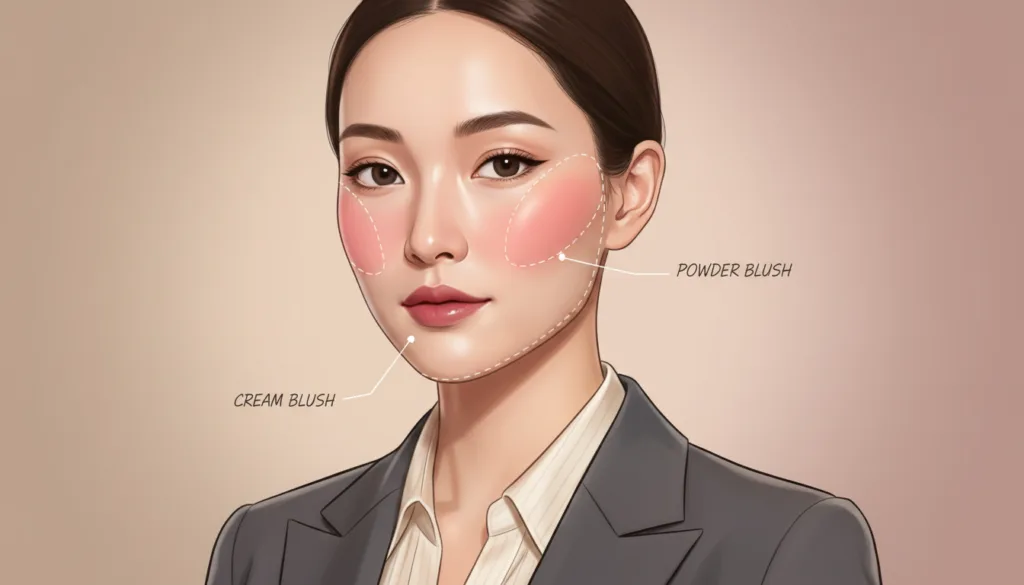
Cream vs. Powder Blush: Choosing the Right Formula for Your Skill Level

Deciding between cream vs. powder blush depends on your skin and what you like. Cream blushes are good for dry or mature skin. Powder blushes are better for oily skin.

Finding Your Perfect Blush Shade Based on Skin Tone

Finding the right blush shade can be tricky. But it’s all about matching your skin tone. Cool skin tones look good with pink or berry shades. Warm skin tones do well with peach or coral shades.

Conclusion

Now you know how to find your face shape and apply blush. This simple guide can really boost your natural beauty.

Knowing your face shape helps you place blush right. This makes your look more balanced and clear. Use this guide whenever you need a reminder. Don’t hesitate to try new things until you find what suits you best.

With practice, you’ll get better at using blush. You’ll learn to enhance your features naturally. This guide will help you keep improving your makeup skills.

FAQ

How do I determine my face shape for blush application?

To find your face shape, measure its length and width. Look at your jawline and forehead shape. Common shapes are round, oval, square, heart-shaped, and long.

What is the best blush placement for a round face?

For round faces, put blush on the apples of your cheeks. Then, sweep it up and out towards your hairline. This makes your face look longer and more defined.

Should I use cream or powder blush, and why?

Cream blush is great for dry or mature skin, giving a natural glow. Powder blush is better for oily skin or if you like a precise look. Pick what works best for your skin and style.

How do I choose the right blush shade for my skin tone?

Choose a blush that matches your skin tone. Fair skin looks good with soft pinks. Medium skin does well with coral or peach. Dark skin shines with rich berry shades. Try different shades to find the one that makes you glow.

What are common blush mistakes to avoid?

Avoid using too much blush, as it can look fake. Don’t put blush too low on your cheeks, as it can widen your face. Blend well for a smooth finish.

Can I use the same blush application technique as I age?

As you age, your skin and face shape change. For older skin, use a softer blush technique to avoid highlighting wrinkles. Cream blush is a good choice for mature skin.

How can I contour with blush?

To contour with blush, use a shade darker than your skin on the hollows of your cheeks. Blend it well. This adds definition and enhances your features.

Is there a specific blush placement for heart-shaped faces?

For heart-shaped faces, apply blush to the lower apples of your cheeks. Blend it down towards your jawline. This balances your forehead and creates a more even look.

How to Get Clear, Natural Skin Without Heavy Makeup

In many Asian beauty routines, clear skin matters more than heavy makeup. You might be wondering why. The answer lies in the desire for a natural glow that allows your skin to breathe.

Many people prefer natural-looking skin because it enables their skin to glow naturally. Skincare plays a bigger role than foundation in achieving this. By focusing on natural skincare tips, you can address the root causes of skin problems, leading to a clearer complexion.

As the saying goes, “clean skin is the foundation of every radiant face.” By adopting a clear skin routine, you’re not just enhancing your appearance; you’re also improving your skin’s health. Prioritizing skincare over makeup can lead to a more radiant and healthy-looking complexion.

Key Takeaways

  • Prioritize skincare over makeup for a natural glow.
  • Focus on natural skincare tips for healthier skin.
  • A clear skin routine can improve skin health.
  • Clean skin is the foundation of a radiant face.
  • Adopting a natural skincare routine can reduce skin problems.

The Beauty of Natural-Looking Skin

The beauty of natural-looking skin lies in its simplicity and effortless elegance. You don’t need heavy makeup to feel confident and beautiful. A minimal makeup routine can enhance your natural features while maintaining the health of your skin.

Why Many Are Shifting Away from Heavy Coverage

Many are moving away from heavy coverage makeup because it can clog pores and create texture, ultimately damaging the skin. Heavy makeup can also accentuate fine lines and wrinkles, giving the skin an aged appearance. By switching to a minimal makeup approach, you can achieve a more natural and youthful look.

The Long-Term Benefits of Minimal Makeup Approach

Adopting a minimal makeup routine can have numerous long-term benefits for your skin. It allows your skin to breathe and regenerate naturally, reducing the risk of skin problems. According to beauty experts, “the current trend is glowing, healthy skin with zero makeup,” highlighting the growing preference for natural beauty.

How to Get Clear Skin Without Makeup: The Skincare Foundation

To get clear skin without makeup, it’s essential to focus on building a robust skincare routine. A well-structured skincare regimen helps in achieving naturally glowing skin by addressing the root causes of skin issues.

clear skin secrets

Hydration: The Key to Naturally Radiant Skin

Hydration plays a crucial role in maintaining skin health. Drinking enough water helps to flush out toxins and keep your skin moisturized, combating dryness and flaking. This simple practice is a cornerstone of achieving clear, glowing skin without relying on makeup.

Gentle Cleansing Practices That Preserve Your Skin Barrier

Gentle cleansing is vital to preserve the skin’s natural barrier. Cleansing your face morning and night helps your skin regain its natural brightness. It’s about finding a balance that works for your skin type without stripping it of its natural oils.

How Heavy Foundation Damages Your Skin Over Time

Using heavy foundation can have long-term negative effects on your skin. It can clog pores and create texture issues, making it harder to achieve clear skin naturally. Understanding the impact of heavy makeup on your skin can help you make informed choices about your skincare and makeup routine.

By focusing on hydration, gentle cleansing, and being mindful of the products you use, you can work towards achieving clear skin without relying on heavy makeup. This approach not only enhances your skin’s health but also its natural glow.

Enhancing Your Natural Beauty with Minimal Products

Enhancing your natural beauty doesn’t require heavy makeup; simple skincare tips can do the trick. By focusing on a consistent skincare routine, you can achieve a fresh, clean look that enhances your features without the need for heavy layers.

Lightweight Alternatives to Heavy Foundation

Instead of using heavy foundation, consider lightweight alternatives that provide sheer coverage without clogging pores. Tinted moisturizers or BB creams are excellent options for achieving a natural look. They not only offer hydration but also contain SPF to protect your skin from the sun.

natural skincare tips

Spot-Treating Imperfections Without Full Coverage

For those pesky imperfections, spot-treating is a more effective approach than covering your entire face. Use a concealer that’s one shade lighter than your skin tone to brighten up dark circles or blemishes. This technique helps to maintain a natural appearance while addressing specific skin concerns.

Asian Beauty Techniques That Prioritize Skin Health

Asian beauty techniques are renowned for their emphasis on skin health over heavy coverage. A popular routine includes a smart trio: a gentle cleanser, a dark spot cream, and sunscreen. For an extra boost of freshness, try using a rose water mist before heading out. This not only hydrates your skin but also gives you a radiant glow.

Product Benefit Tip
Tinted Moisturizer Provides sheer coverage and hydration Apply with fingers for a natural finish
Concealer Covers imperfections without heavy coverage Use a shade lighter to brighten dark circles
Rose Water Mist Hydrates and refreshes the skin Use throughout the day for an extra glow

Conclusion: Your 5-Step Daily Routine for Clear, Natural Skin

Achieving clear, natural skin without heavy makeup is within your reach. By following a consistent clear skin routine, you can reveal your brightest self. Start with a gentle cleansing practice to preserve your skin barrier, followed by hydration to keep your skin naturally radiant.

Next, incorporate a lightweight moisturizer to lock in previous steps’ benefits. For added protection, use a broad-spectrum sunscreen daily. To enhance your natural beauty, try spot-treating imperfections with minimal makeup products, embracing Asian beauty techniques that prioritize skin health.

By adopting this simple 5-step daily routine, you’ll be on your way to achieving clear skin without makeup. Discovering clear skin secrets is about understanding your skin’s needs and being consistent. With patience and persistence, you’ll unlock the skincare without makeup approach that works best for you, leading to a more confident you.

FAQ

How can I achieve clear skin without makeup?

To achieve clear skin without makeup, focus on a consistent skincare routine that includes gentle cleansing, moisturizing, and protecting your skin from the sun. You can also incorporate natural skincare tips, such as staying hydrated and using lightweight products, to help you get clear skin naturally.

What are some natural skincare tips for clear skin?

Some natural skincare tips for clear skin include using gentle, non-comedogenic products, exfoliating regularly, and staying hydrated by drinking plenty of water. You can also try incorporating Asian beauty techniques, such as double cleansing and using facial masks, to help you achieve healthy, glowing skin.

How can I enhance my natural beauty with minimal products?

To enhance your natural beauty with minimal products, focus on spot-treating imperfections without full coverage. You can use lightweight alternatives to heavy foundation, such as tinted moisturizers or BB creams, to help you achieve a natural-looking finish. Additionally, prioritize skin health by using products that nourish and protect your skin.

What are the benefits of adopting a minimal makeup approach?

Adopting a minimal makeup approach can have several benefits, including reducing the risk of skin damage from heavy foundation, saving time and money on makeup products, and promoting healthy, glowing skin. By focusing on skincare rather than makeup, you can achieve a natural, effortless look that enhances your features without looking too done-up.

How can I get clear skin without using heavy foundation?

To get clear skin without using heavy foundation, focus on establishing a consistent skincare routine that includes gentle cleansing, moisturizing, and protecting your skin from the sun. You can also try using lightweight products, such as serums and moisturizers, to help you achieve healthy, glowing skin. By prioritizing skin health, you can reduce the need for heavy foundation and achieve a natural, effortless look.

What is a simple daily routine for achieving clear, natural skin?

A simple daily routine for achieving clear, natural skin includes cleansing your skin gently, moisturizing to stay hydrated, protecting your skin from the sun, and using lightweight products to enhance your natural beauty. You can also incorporate Asian beauty techniques, such as double cleansing and using facial masks, to help you achieve healthy, glowing skin. By following a consistent routine, you can achieve clear, natural skin without heavy makeup.

Why Your Makeup Looks Cakey (And How to Fix It)

Ever put on foundation only to see it look thick, dry, or patchy? You’re not alone. This problem, called cakey makeup, can mess up an almost perfect look.

Cakey makeup happens when your foundation or base products don’t mix well with your skin. This makes your skin look textured. It can be because of your skin type, the products you use, or how you apply them.

In this article, we’ll look at why cakey makeup happens. We’ll also share tips on how to avoid it and get a smooth, natural look.

Key Takeaways

  • Understand the causes of cakey makeup
  • Learn how to choose the right products for your skin type
  • Discover effective application techniques to achieve a smooth finish
  • Find out how to fix cakey makeup with simple tricks
  • Get tips on maintaining a flawless look throughout the day

Understanding Cakey Makeup: What It Looks Like

If you’ve ever applied makeup only to have it look dry and patchy, you’re not alone. Dealing with cakey makeup can be frustrating. But knowing what it looks like is key to fixing the problem.

Visual Signs Your Makeup Is Cakey

Cakey makeup looks thick and textured, making your skin seem unhealthy. It might make your foundation or powder stand out on fine lines, pores, or skin flaws. This can make your skin look dry and flaky. If you have oily skin, it can also look greasy.

  • Uneven texture
  • Accentuation of fine lines and pores
  • Dryness or flakiness
  • Visible cake-like layers of makeup

The Difference Between Dewy, Matte, and Cakey Finishes

Knowing the difference between dewy, matte, and cakey finishes is important. It helps you get the look you want. Here’s a quick comparison:

Finish Type Characteristics Skin Type Suitability
Dewy Hydrated, glowing, natural look Dry or normal skin
Matte Flat, shine-free, oil-controlled Oily skin
Cakey Thick, textured, dry or greasy appearance None (undesirable finish)

A dewy finish makes your skin look hydrated and natural, perfect for dry or normal skin. A matte finish gives a flat, shine-free look, great for oily skin. But, a cakey finish is thick and uneven, and it’s not something you want.

Why Makeup Looks Cakey: Common Causes

Cakey makeup can be frustrating. But knowing why it happens can help you fix it. Several things can cause this problem, and fixing them can make your makeup look better.

Using Too Much Product

Applying too much makeup is a big mistake. Too much foundation, concealer, or powder can make your skin look cakey. Start with a little and add more as needed.

  • Begin with a light layer of foundation.
  • Use concealer sparingly for targeted coverage.
  • Apply powder lightly, focusing on areas that tend to get oily.

Improper Skin Preparation

Not prepping your skin right can also cause cakey makeup. Exfoliating regularly and moisturizing are key. Make sure to use products that fit your skin type.

Wrong Foundation Formula for Your Skin Type

Choosing the wrong foundation can make your makeup look cakey. For dry skin, a matte foundation can make it worse. For oily skin, you might need a foundation that controls oil. Try different formulas to find the right one for you.

Poor Application Techniques

How you apply makeup can also cause cakey skin. Using the wrong tools or too much pressure can mess up your skin’s texture. Use a beauty blender or a dense brush for a smooth finish. Blending well, around your hairline and jawline, is also important for a natural look.

By fixing these common problems, you can make your makeup look smoother and more natural.

The Science Behind Cakey Makeup

Cakey makeup happens when makeup doesn’t blend well with your skin. It can make pores, fine lines, and texture issues stand out. This leads to a cakey look.

How Makeup Interacts With Your Skin

Makeup interacts with your skin in different ways. For dry skin, makeup sticks to dry spots, making them more visible. On oily skin, makeup can break down and look uneven.

To get a smooth look, knowing your skin type is key. Use a hydrating primer for dry skin to help makeup blend better.

  • For dry skin, choose moisturizing foundations to avoid dry patches.
  • Oily skin does well with oil-control or matte foundations.
  • Combination skin needs products that balance shine and hydration.

The Role of Skin Oils and Texture

Skin oils and texture greatly affect makeup. Too much oil can make makeup slide off, while very dry skin can make it flaky.

Knowing your skin’s natural texture and oil level is important. Choose products that match your skin type to reduce the look of pores and fine lines. This leads to a smoother finish.

Key considerations include:

  1. Keep your skin’s natural moisture balanced without overdoing it.
  2. Use the right amount of makeup to avoid a cakey look.
  3. Blend makeup well, focusing on the hairline, jawline, and face edges.

Mastering makeup blending techniques and understanding how to achieve a smooth look can greatly reduce cakey makeup. It’s not just about the products, but also how you apply them and the tools you use.

Skin Prep: The Foundation of Flawless Makeup

Getting your skin ready is key for smooth makeup. Proper skin prep is vital for a flawless look that lasts all day.

Cleansing Properly Before Application

Cleaning your skin is the first step. Use a gentle cleanser that fits your skin type. Proper cleansing makes a clean base for makeup, helping it stay on longer and look better.

Exfoliation: How Often and Which Methods Work Best

Exfoliation removes dead skin and clears pores. How often you exfoliate depends on your skin. Sensitive skin might need less, oily skin more. Pick a method that works for you, like a scrub or chemical exfoliant.

The Importance of Hydration

Keeping your skin hydrated is essential. Choose a moisturizer that matches your skin type. Hydrated skin looks better under makeup and avoids a cakey look.

Focus on these skin prep steps to enhance your makeup. The effort you put in will show in your final look.

Choosing the Right Moisturizer to Prevent Cakiness

Finding the right moisturizer is key to avoiding cakey makeup. It hydrates your skin, making it smooth for makeup. Choose one that matches your skin type, whether it’s dry, oily, or a mix.

Dry Skin Considerations

For dry skin, pick a moisturizer that’s rich and hydrating. Look for hyaluronic acid, glycerin, and ceramides. These ingredients help keep moisture in and support your skin’s barrier.

Recommended Moisturizer Characteristics for Dry Skin:

  • Highly emollient and hydrating
  • Contains ingredients like hyaluronic acid and ceramides
  • Non-comedogenic or oil-free to avoid clogging pores

Oily Skin Solutions

For oily skin, choose a moisturizer that’s lightweight and oil-free. Gel or serum-based moisturizers work well. They hydrate without feeling heavy.

Key Features for Oily Skin Moisturizers:

  • Lightweight and non-greasy
  • Oil-free and non-comedogenic
  • Contains salicylic acid or tea tree oil for their astringent properties

Combination Skin Strategies

Combination skin needs a balanced moisturizer. Look for a lightweight lotion that hydrates dry areas without making oily areas greasier. You might also use different moisturizers for different face areas.

Tips for Combination Skin:

  • Use a lightweight moisturizer overall
  • Apply a richer moisturizer to dry areas only
  • Consider a moisturizer with balancing properties
Skin Type Recommended Moisturizer Type Key Ingredients
Dry Rich, hydrating Hyaluronic acid, ceramides
Oily Lightweight, oil-free Salicylic acid, tea tree oil
Combination Lightweight, balancing Glycerin, niacinamide

Primer Power: Selecting and Applying the Right Base

Primer is a key part of makeup, making your foundation look better. It helps your makeup stay on longer and look fresh. The right primer can fix dry patches, oily spots, and large pores, making your makeup look and last better.

makeup primer application

How Primers Prevent Cakey Makeup

Primers are important for avoiding cakey makeup. They fill in pores and fine lines, making your foundation apply evenly. This helps your makeup:

  • Smooth out skin texture
  • Reduce the appearance of pores
  • Provide a barrier between skin and makeup, helping foundation adhere more evenly

This way, primers help your foundation go on smoothly and last longer. They prevent it from becoming cakey or patchy.

Matching Primer to Your Skin Concerns

Choosing the right primer depends on your skin issues. For example:

  • If you have dry skin, choose a hydrating primer to moisturize and smooth out dry patches.
  • If you have oily skin, a mattifying primer can control shine and reduce pore appearance.
  • If you’re worried about fine lines and wrinkles, a primer with anti-aging ingredients can fill them in and smooth your skin.

Matching your primer to your skin type and concerns is key to a great makeup look.

Application Techniques for Smooth Results

Applying primer correctly is as important as choosing the right one. Here are some tips for smooth results:

  1. Apply a small amount of primer to your face, focusing on areas where you tend to get cakey or oily.
  2. Use your fingers or a makeup sponge to gently blend the primer into your skin, making sure to cover all areas evenly.
  3. Allow the primer to set for a minute or two before applying foundation.

By following these simple application techniques, you can get a smooth, even base for your makeup. This helps prevent cakiness and makes your foundation last longer.

Foundation Fundamentals: Formulas That Won’t Cake

Finding the perfect foundation can be tough, but knowing the different types helps a lot. Foundation is key in makeup, as it holds everything in place. The right one can make you look great, while the wrong one can highlight flaws.

Water-Based vs. Oil-Based Foundations

There are many foundation types, like water-based and oil-based. Water-based foundations are light and good for oily skin or a natural look. They’re also great for hot weather and controlling shine. On the other hand, oil-based foundations are hydrating and good for dry or older skin, giving a shiny finish.

Choosing between water-based and oil-based depends on your skin and desired look. Water-based is better for oily skin and a natural look. Oil-based is more moisturizing for dry skin.

Coverage Levels and Their Impact on Texture

Foundation coverage can be sheer, medium, or full. The coverage you pick affects your makeup’s look and feel. Sheer coverage foundations give a natural look without heavy makeup. Medium coverage balances, covering small blemishes naturally. Full coverage foundations hide all imperfections, perfect for big events or hiding flaws.

Coverage Level Description Suitable For
Sheer Natural look, minimal coverage Everyday wear, minimal flaws
Medium Balances coverage and natural appearance Minor blemishes, normal skin
Full Maximum coverage, conceals imperfections Special occasions, significant coverage needed

Finding Your Perfect Foundation Match

Finding the right foundation is more than just matching your skin tone. It’s also about picking a formula that suits your skin type. For oily skin, look for “non-comedogenic” or “oil-free” foundations. For dry skin, choose ones with moisturizing ingredients.

“The key to a flawless makeup look is a well-chosen foundation that matches your skin type and tone.”

Test foundation shades on your jawline to find the best match. Also, think about the foundation’s ingredients and how they affect your skin. This can greatly impact your makeup’s look.

Application Techniques to Achieve a Flawless Finish

The secret to a smooth makeup look is in how you apply it. Learning these techniques can make your makeup look better and last longer.

Tools That Make a Difference: Brushes, Sponges, and Fingers

The tools you use can change how your makeup looks. Brushes are great for detailed work, like eyeshadow or concealer. Sponges help you get a smooth finish, perfect for foundation or blush. Fingers are good for applying concealer or cream eyeshadow, giving a closer feel to the skin.

Choosing between brushes, sponges, and fingers depends on the product and face area. For example, a dense brush is best for eyeshadow, while a damp sponge blends foundation well.

Layering Products: The Right Order and Amount

Layering makeup is an art that needs the right order and amount. Begin with a primer to prepare your skin. Then, apply a thin layer of foundation or tint to even out your skin tone. Use concealer only where needed to hide blemishes or dark circles.

Product Order Amount
Primer 1st Thin layer
Foundation/Tint 2nd Thin layer
Concealer 3rd As needed

Blending Methods for Seamless Results

Blending is key for a smooth makeup look. Use soft, sweeping motions with your tool to blend makeup with your skin. For liquids, a damp sponge prevents cakiness. For powders, a soft brush buffs the product into the skin.

To get a flawless finish, blend, blend, blend! Take your time and check your work often.

The Setting Powder Dilemma: Friend or Foe?

Learning how to use setting powder right is key to a perfect makeup look. It can help set your makeup, but wrong use can make skin look dry and textured.

When and Where to Apply Setting Powder

Applying setting powder in the right spots can really help. Focus on areas that get oily or need more coverage. The T-zone is often a top choice because it tends to get oily.

“The trick to using setting powder well is to use it sparingly and in the right spots,” makeup artist Jane Doe advises. “It’s about boosting your natural look without looking too done up.”

Baking vs. Light Dusting: Which Is Right for You?

How you apply setting powder can change your look. Baking means putting on a thick layer and letting it sit before dusting off. It’s perfect for a long-lasting, matte finish. Light dusting is for a more natural look, where you just sweep a bit of powder over your face.

setting powder application techniques

Avoiding the Powdery Look

One big problem with setting powder is it can make your skin look powdery. To avoid this, blend the powder into your skin well. Use a light touch and build coverage slowly. Also, pick a powder that matches your skin tone to blend in better.

  • Blend the powder well into the skin.
  • Use a light hand when applying.
  • Choose a powder that matches your skin tone.

By following these tips and knowing when to use setting powder, you can get a smooth, lasting makeup look without the bad sides.

Setting Sprays: The Final Step for Long-Lasting Smoothness

Using a setting spray can really help keep your makeup looking perfect all day. These sprays act as a shield, protecting your makeup from sweat and oils. They’re a key part of many makeup routines.

How Setting Sprays Lock in Your Look

Setting sprays create a thin, invisible shield over your makeup. This shield stops your makeup from smudging or fading too fast. It’s important to pick a setting spray that matches your skin type and makeup goals.

Dewy vs. Matte Setting Sprays

The choice between dewy and matte setting sprays depends on your skin and desired look. Dewy sprays are great for dry skin or a radiant glow. Matte sprays are best for oily skin or to control shine.

Setting Spray Type Skin Type Finish
Dewy Dry/NORMAL Radiant/Glowing
Matte Oily Matte/Shine Control

Application Tips for Maximum Benefit

To use your setting spray best, hold the bottle 6-8 inches from your face and spray evenly. For an even longer-lasting effect, try the “baking” method. Spritz your under-eye area, let it sit for a few minutes, then dust off any extra powder.

Adding a setting spray to your makeup routine and picking the right one for your skin can give you a flawless look all day.

Quick Fixes for Cakey Makeup Throughout the Day

Cakey makeup can be a real problem, but there are quick fixes. You can tackle a cakey foundation, powdery concealer, or uneven texture easily.

Emergency Touch-Up Techniques

Don’t worry if your makeup gets cakey. Here are some quick fixes to rescue your look:

  • Blot, don’t wipe: Use blotting paper to soak up extra oil.
  • Refresh your primer: Apply a bit of primer where needed.
  • Conceal imperfections: Use a concealer that’s lighter than your foundation for dark circles or blemishes.

Products to Keep in Your Makeup Bag

Having the right products can make a big difference. Here are some must-haves for your makeup bag:

Product Purpose
Blotting papers Absorb excess oil
Primer Refresh and smooth out texture
Concealer Cover dark circles and blemishes
Setting spray Lock in your look

Preventing Midday Makeup Meltdown

Preventing cakey makeup is easier than fixing it. Here are some tips to keep your makeup looking fresh:

  1. Start with a clean slate: Make sure your skin is clean and moisturized before makeup.
  2. Use the right products: Pick products that match your skin type.
  3. Set your look: Use a setting spray to keep your makeup in place.
  4. Touch up regularly: Blot oil and reapply as needed.

By using these quick fixes and tips, you can keep your makeup looking perfect all day.

Conclusion: Your Flawless Makeup Checklist

Getting a flawless makeup look is easier than you think. Follow the tips and advice given, and you’ll say goodbye to cakey makeup. Here’s a quick checklist to help you start right.

First, get your skin ready with the right cleansing, exfoliation, and hydration. This is key for a flawless makeup look. Next, pick products that match your skin type, like a good moisturizer and primer. Use the right tools and techniques for a smooth finish.

To avoid cakey makeup, blend, blend, blend! Apply products lightly and set your look with a setting spray. Keep a setting powder and compact foundation in your makeup bag for touch-ups.

By using this flawless makeup checklist and these makeup tips daily, you’ll get a smooth, cakey-free finish. Remember, practice makes perfect. Don’t worry if it takes time to get it right. With patience and effort, you’ll master the art of avoiding cakey makeup soon.

FAQ

Why does my makeup look cakey?

Makeup can look cakey if you use too much or don’t prepare your skin right. It also happens if you apply it wrong or pick the wrong foundation. Not blending well is another reason.

How can I prevent cakey makeup?

Start by cleaning and moisturizing your skin. Use a primer to smooth it out. Choose a foundation that fits your skin type. Apply it right with the right tools.

What is the difference between dewy, matte, and cakey finishes?

Dewy makeup makes your skin look radiant and hydrated. Matte makeup is flat and doesn’t reflect light. Cakey makeup is thick and settles into lines and wrinkles.

How do I fix cakey makeup?

Blend your makeup with a damp sponge or brush. Use a setting spray to make it last and look smoother. Try layering a light foundation or tinted moisturizer over it.

What type of moisturizer should I use to prevent cakey makeup?

Choose a moisturizer based on your skin type. Dry skin needs a rich moisturizer. Oily skin should use a light, oil-free one. Combination skin needs a balance.

How do I choose the right primer for my skin?

Pick a primer that addresses your skin concerns. Look for one that helps with pores, lines, or texture. Apply it evenly for a smooth makeup base.

What is the best way to apply foundation to avoid cakey makeup?

Apply foundation gently with a brush or sponge. Start in the center and blend outwards. Cover all areas evenly but avoid heavy layers.

Can setting powder make my makeup look cakey?

Yes, setting powder can make makeup look cakey if used too much. Use a light dusting in the T-zone. Choose a translucent powder that won’t cake.

How do setting sprays help prevent cakey makeup?

Setting sprays lock in your makeup and prevent oiliness. Choose one that matches your desired finish. Apply it after you’ve finished your makeup.

What are some emergency touch-up techniques for cakey makeup?

Use a setting spray to refresh your makeup. Blot your skin with a blotting paper to absorb oil. Apply a light foundation or concealer for extra coverage.

Setting Spray vs Setting Powder: Do You Need Both?

Are you wondering if you should use a setting spray or a setting powder to keep your makeup looking great? Both are meant to set your makeup, but they do it in different ways.

A setting spray is a liquid that forms a thin film on your skin. On the other hand, a setting powder is a fine powder that sits on your skin. It helps smooth and blur your skin’s surface.

Choosing between the two depends on your skin type and what you want to achieve with your makeup. Knowing the difference between locking makeup in place and mattifying skin helps you pick the right one.

Key Takeaways

  • Setting spray and powder serve the same purpose but work differently.
  • Setting spray creates a film to lock makeup in place.
  • Setting powder smooths and blurs the skin’s surface.
  • Your skin type and makeup goals determine which product to use.
  • Using both products together can be beneficial in certain situations.

What Are Setting Spray and Setting Powder?

Knowing about makeup setting products is key for a perfect look. These products help your makeup last longer, keeping it in place all day.

Setting Spray: The Liquid Makeup Fixative

Setting spray is a light mist that keeps your makeup from smudging or fading. It’s ideal for hot or humid days. It helps your makeup stay fresh and in place all day.

Setting Powder: The Oil-Absorbing Finisher

Setting powder is a powder that keeps your makeup in place and absorbs oil. It’s great for controlling shine and oiliness. Using setting powder keeps your makeup looking perfect for hours.

Setting Spray vs Setting Powder: How They Work

It’s important to know how setting sprays and powders work. They both help your makeup last longer, but in different ways.

Locking Makeup vs Controlling Shine

Setting sprays create a thin film over your makeup. This locks it in place so it doesn’t smudge or fade fast. Setting powders, on the other hand, soak up extra oil from your skin. This reduces shine and makes your skin look matte.

Choosing between a setting spray and powder depends on what you need. If you want your makeup to stay in place longer, go for a setting spray. For controlling shine and oil, a setting powder is better.

Formulation Differences

Setting sprays and powders are made differently. This affects how they work and look on your skin.

Liquid vs Powder Base

Setting sprays are liquid, which helps them cover your skin evenly. This liquid base sets your makeup without changing its look. Setting powders, being finely milled, absorb oil and cut shine.

Key Ingredients

Setting sprays often have alcohol and glycerin. Alcohol dries quickly, while glycerin keeps your skin hydrated. Setting powders usually have silica or talc to soak up oil.

Finish and Appearance on Skin

Setting sprays and powders look different on your skin. Sprays leave your makeup looking natural. Powders can make your skin look matte or slightly powdery, depending on your skin and the product.

makeup setting spray vs powder

  • Setting Sprays: Natural finish, long-lasting makeup
  • Setting Powders: Matte finish, oil control

Choosing Based on Your Skin Type and Environment

Your skin type and where you live are key in picking between setting spray or powder. Each skin type has its own needs. The weather also affects how your makeup stays in place all day.

Best Options for Different Skin Types

Knowing your skin type is the first step. Here are some tips for different skin types:

Oily Skin Solutions

For oily skin, a setting powder is great. It absorbs oil and reduces shine. Choose a translucent powder that won’t cake or show pores.

Dry Skin Solutions

Those with dry skin should use a setting spray. It keeps your skin moist and prevents makeup from looking dry. Pick a spray with hydrating ingredients.

Combination Skin Approaches

Combination skin might need both spray and powder. Use spray on dry areas and powder on oily ones to control shine.

How Climate Affects Your Setting Product Choice

The weather where you live affects your choice. In humid places, powder controls oil. In dry areas, spray keeps moisture.

Humid vs Dry Environments

In humid areas, choose products that control oil. In dry places, go for hydrating sprays.

Seasonal Adjustments

Change your setting product with the seasons. You might switch from powder in summer to spray in winter.

Application Tips for Best Results

How you apply your setting product matters a lot.

Correct Order of Application

Apply setting product after foundation and concealer. Spray first, then dust with powder lightly.

Techniques for Flawless Finish

For a smooth look, apply powder gently. Spray evenly, holding the bottle 6-8 inches away.

setting spray vs setting powder

Conclusion: Do You Really Need Both?

Now that you’ve learned about setting spray and powder, it’s time to choose. Your skin type and makeup goals matter a lot. If you have oily skin, a setting powder can help control oil and shine.

But, if you have dry or combination skin, a setting spray might be better. It keeps your makeup in place without drying out your skin.

Using both setting spray and powder is not always needed. But, it can be helpful for long events or humid places. It keeps your makeup looking good longer. Yet, for a simple daily look, one might be enough.

Think about your skin type and the event when setting your makeup. Try different products and methods to see what works best for you. With the right tips, you can get a flawless, lasting look that boosts your confidence and beauty.

FAQ

What’s the main difference between setting spray and setting powder?

Setting spray is a liquid that keeps your makeup in place. Setting powder is a powder that absorbs oil and sets your makeup.

Do I need to use both setting spray and setting powder?

It depends on your skin and makeup goals. You might use one or both, based on what you need.

Which is better for oily skin: setting spray or setting powder?

Setting powder is often better for oily skin because it controls shine and absorbs oil. But, some setting sprays are also good for oily skin, so it really depends on the product.

Can I use setting spray on dry skin?

Yes, you can use setting spray on dry skin. Some setting sprays are made to hydrate and soothe dry skin while setting your makeup.

How do I apply setting spray and setting powder for the best results?

To apply setting spray, spritz it evenly over your face after makeup. For setting powder, dust it over your T-zone or oily areas with a powder brush.

Can climate affect my choice of setting product?

Yes, climate can affect your choice. In humid climates, setting spray keeps makeup in place better. In dry climates, setting powder is more suitable.

What’s the best way to set my makeup for long-lasting wear?

For long-lasting makeup, use a good primer, foundation, and setting products. Choose a setting spray or powder that fits your skin type. Apply it as the product instructions say.

Are there any specific setting sprays or powders for combination skin?

Yes, there are products for combination skin. Look for ones labeled “for combination skin” or “balances skin.” They help control shine and hydrate dry areas.