Ever thought if your daily skincare is enough to stop time on your skin? Many think time is the only thing that changes our skin. But science tells a different story.
Biological aging is natural, but your lifestyle choices greatly affect your skin. Knowing your skin health shows your overall well-being is key to a glowing complexion.
Today’s dermatology has many proven anti-aging treatments to fight visible signs of aging. By starting early, you can keep your skin healthy and bright for years. This guide will help you understand the many options available to you.
Key Takeaways
Skin aging is a biological reality influenced by both genetics and daily lifestyle habits.
Adopting a proactive skincare routine helps preserve your natural glow.
Your skin serves as a direct reflection of your internal health and wellness.
Modern dermatological advancements offer effective ways to manage visible signs of aging.
Navigating the right options requires understanding your unique skin needs.
Understanding the Signs of Aging
Aging is a natural part of life, but knowing its signs helps you care for your skin. As you age, your skin changes in ways that affect how it looks and feels. By spotting these changes, you can pick the best anti-aging solutions for your skin.
Common Signs of Skin Aging
At first, you might notice how your skin looks different. It might not reflect light as well or hold moisture like it used to. Fine lines around your eyes and mouth are signs of less collagen.
As time goes on, your skin might feel softer or look a bit saggy. These changes are perfectly normal and mean your skin needs extra care. Many people find their skin gets drier and thinner in their late thirties and forties. Spotting these signs early helps you use the right age-defying skincare methods.
Factors Contributing to Skin Aging
Many things affect your skin, like your genes and the environment. You can’t change your DNA, but you can fight off environmental damage. Pollution, harsh weather, and too much sun can harm your skin’s structure.
“Nature gives you the face you have at twenty; it is up to you to merit the face you have at fifty.”
These factors create free radicals that harm your skin cells. Keeping your skin’s barrier strong is key to looking young. Using youth-enhancing treatments that fight off free radicals is important.
The Importance of Early Intervention
Don’t wait for deep wrinkles to treat your skin. Starting early is key to keeping your skin healthy. Fixing small issues now can prevent bigger problems later.
Being consistent is the key to using anti-aging solutions effectively. Whether you’re starting a new skincare routine or improving your current one, acting early keeps your skin looking great. Choosing youth-enhancing treatments now helps your skin stay strong, moist, and bright for years.
Popular Anti-Aging Treatments
Starting your journey to healthier skin is exciting. The market offers many proven anti-aging treatments. By choosing science-backed solutions, you can tackle the signs of aging.
“The best investment you can make for your future self is a consistent, high-quality skincare routine that protects and nourishes your skin barrier.”
Topical Treatments and Ingredients
Topical treatments are key for effective anti-wrinkle remedies. Ingredients like retinoids boost skin renewal and collagen. This smooths out fine lines and improves skin texture.
Vitamin C brightens your skin and fights off free radicals. Daily use of these products is key to seeing results.
Cosmetic Procedures Overview
In-office procedures offer deeper solutions. Dermatologists recommend them for more dramatic results. These treatments target deeper skin concerns.
Chemical Peels: Exfoliate the top layers to reveal fresher skin.
Dermal Fillers: Restore lost volume in specific facial areas.
Microneedling: Encourages natural healing and collagen production.
Lifestyle Changes for Youthful Skin
True radiance comes from within. Lifestyle choices are key age-defying skincare methods. Eating right and staying hydrated boost skin health.
Sun protection is vital. Daily use of broad-spectrum sunscreen prevents aging. Protecting your skin today saves you from future repairs.
Innovative Technologies in Anti-Aging
Modern tech offers non-surgical ways to look younger. Many top anti-aging products now come with high-tech devices. These tools tighten and firm your skin safely and quickly.
Laser and radiofrequency treatments lead in this field. They heat the skin to trigger tightening. These innovations help you look young without disrupting your life.
Choosing the Right Treatment for You
Your journey toward radiant skin starts with knowing your needs. It’s about finding the best match for your goals and what science proves works.
Identifying Your Skin Profile
First, figure out your skin type. This helps narrow down what works for you. Whether you have oily, dry, or sensitive skin, there are many options.
Professional Guidance
See a board-certified dermatologist to talk about your skin concerns. Experts at SkinCeuticals or La Roche-Posay can guide you. They help you choose safe and effective treatments for your skin.
Building Your Routine
Consistency is key in skincare. Use expert advice and top products to make a daily routine. This keeps your skin healthy and glowing.
Book a consultation today. A personalized plan will give you the results you want.
FAQ
When is the best time to start using proven anti-aging treatments?
It’s never too early to protect your skin! Dermatologists suggest starting in your 20s or early 30s. Using products like SkinCeuticals CE Ferulic early can fight environmental stressors and keep your skin strong before wrinkles appear.
What are the most effective anti-wrinkle remedies for deep lines?
For deep lines, the best remedies combine top-notch retinoids and professional treatments. Retinol in products like RoC Retinol Correxion boosts cell turnover. Treatments like Fraxel laser therapy can also smooth out your skin.
How do youth-enhancing treatments like radiofrequency actually work?
These treatments use new tech to safely heat your skin’s deeper layers. Thermage or Ultherapy kickstart collagen production, tightening your skin. They’re great non-surgical options for a quick beauty boost.
Can age-defying skincare methods really protect against environmental damage?
Yes, they can. Modern skincare methods shield your skin from pollution and UV rays. Using a high-SPF sunscreen daily, like La Roche-Posay or EltaMD, is key to preventing early aging and keeping your skin bright.
How do I choose the right top anti-aging products for my specific skin type?
Choosing the right products depends on your skin type. Dry, oily, or sensitive skin needs different care. A board-certified dermatologist can help you find the best products. They might recommend Tretinoin or custom serums for your skin and beauty goals.
If you want smoother, healthier-looking skin, you’ve probably heard about vitamin A derivatives. This ingredient is a top choice in dermatology, but starting can be scary. It’s normal to worry about irritation when using such a strong active.
The good news is that patience and preparation are key. Start slow and stick to a routine to add this treatment to your life safely. We’re here to make the science easy and help you get that glow you want.
Key Takeaways
Understand that this ingredient is a top recommendation for skin texture improvement.
Acknowledge that initial sensitivity is common but manageable with the right approach.
Prioritize a slow introduction to build tolerance over time.
Focus on hydration to support your skin while using active treatments.
Consistency is the most important factor for seeing long-term anti-aging results.
Understanding Retinol: What It Is and How It Works
Ever wondered why your skin loses its glow over time? The answer is in cell turnover science. Retinol for anti-aging is a top choice in beauty, but knowing how it works is key. This knowledge helps you choose the right products for your skin.
The Science Behind Vitamin A Derivatives
Retinol is part of the vitamin A family, made to fight aging signs. It’s two steps away from the direct vitamin A form, retinoic acid. When you use retinol skincare, your skin turns it into its active form.
This makes it gentler than stronger vitamin A forms. It slowly releases benefits, making it easier to use in your anti aging skincare routine.
How Retinol Accelerates Cell Turnover
Young skin sheds dead cells and replaces them every 28 days. But after 30, this slows to 50 to 70 days. This slowdown causes dull, tired-looking skin.
Retinol speeds up this process, revealing brighter skin. It clears away debris that makes skin look dull and congested. The table below shows how skin changes with age and how retinol helps.
Age Group
Natural Turnover Rate
Common Skin Concern
Under 30
28 Days
Occasional breakouts
Over 30
50-70 Days
Dullness and fine lines
With Retinol
Restored to ~30 Days
Improved texture and tone
Using retinol skincare regularly keeps your skin young. As you keep up with anti aging skincare, your skin will feel smoother and look brighter. Remember, patience is key with such a strong ingredient.
The Benefits of Retinol for Your Skin
If you want to change your skin, learning about retinol’s benefits is a good start. This powerful ingredient works deep in your skin to renew and repair it. It boosts your skin’s natural healing, making it look healthier and more vibrant.
Smoothing Fine Lines and Wrinkles
Retinoids are top choices for retinol for anti-aging. Regular use plumps your skin and lessens deep lines. It’s key for anyone serious about anti aging skincare.
Results may not show right away, but they come with time. With patience, your skin will look firmer and younger. Many see a big change in their skin’s look after months of use.
Improving Skin Texture and Tone
The retinol benefits also improve your skin’s look. It speeds up cell turnover, getting rid of dull skin. This brings out the fresh, glowing skin underneath and fades dark spots.
As you keep using it, your skin tone will even out. Documenting your retinol before and after can show how much it improves. You’ll see better skin brightness, less hyperpigmentation, and smoother skin.
Overall skin brightness and radiance
Reduction in hyperpigmentation
Refinement of rough or bumpy patches
Clearing Pores and Managing Breakouts
Retinol is great for more than just aging skin; it’s also for clear pores. It stops dead skin cells from clogging pores, preventing blemishes. This makes it a great tool for a clear, healthy face.
If you get breakouts, this ingredient can help. It makes pores look smaller, giving your face a smoother look. Consistency is truly the key to seeing these changes in your skin.
Who Should Use Retinol and Who Should Avoid It
Deciding if retinol is right for you depends on your skin type. It’s a top choice for fighting aging signs, but it’s not for everyone. Understanding your skin’s specific needs is key to a good experience.
Identifying Your Skin Type and Concerns
People with oily, combination, or normal skin usually do well with retinol. If you worry about fine lines, uneven texture, or breakouts, it might be for you. It helps by speeding up cell turnover, keeping pores open, and skin bright.
But, if your skin is very dry or damaged, be careful. Those with eczema or rosacea might find it too harsh. Always talk to a dermatologist if you’re not sure about using it.
When to Skip Retinol: Contraindications and Precautions
There are times when you should not use retinol. If you’re pregnant or breastfeeding, you should avoid it. Doctors warn against vitamin A derivatives during these periods because of risks to the baby.
Also, if you’ve had recent skin treatments like chemical peels or laser, your skin might be too sensitive. Stay away from it if you have an active sunburn or open wounds. Always put your skin’s health first, even if you want quick results.
Skin Condition
Suitability
Recommendation
Oily/Combination
High
Start with low concentration
Sensitive/Eczema
Low
Consult a dermatologist first
Pregnant/Nursing
None
Avoid completely
Acne-Prone
High
Use as part of a balanced routine
Retinol for Beginners: How to Choose the Right Product
Starting your Vitamin A journey? Picking the right product is key. With so many choices, finding the best retinol for beginners is easier when you know the basics.
Understanding Concentrations and Strengths
Retinol is a step away from pure Vitamin A. Your skin needs time to adjust. So, start with a low concentration.
Experts say begin with 0.01% to 0.03% retinol. This slow start avoids irritation and lets your skin enjoy benefits over time.
Choosing Between Creams, Serums, and Oils
The type of product affects how your skin absorbs retinol. Creams are great for dry or sensitive skin. They moisturize and soften the retinol’s impact.
For oily or combination skin, try a serum. It’s light and won’t clog pores. Oils also work well, providing a nourishing layer for easier application.
Recommended Entry-Level Products for New Users
When picking a retinol product, look for soothing ingredients. Ceramides or hyaluronic acid help keep your skin healthy while the retinol works.
Dermatologists often suggest CeraVe Resurfacing Retinol Serum or La Roche-Posay Effaclar Adapalene Gel. They’re seen as top best retinol products for new users. Remember, a gentle, consistent approach is better than a strong product that irritates.
Preparing Your Skin for Your First Application
When you start incorporating retinol into your skincare routine, getting ready is key to avoid irritation. A few extra steps can keep your skin healthy and strong. Follow these simple steps for a smoother first night.
The Importance of a Gentle Cleansing Routine
Start with a clean face before using any treatment. Use a gentle, non-stripping cleanser to remove dirt and oil. Avoid harsh soaps that can damage your skin.
A balanced skin barrier is vital for success. Clean and hydrated skin can handle vitamin A derivatives better. Consistency with a mild cleanser is the base of a safe routine.
Ensuring Your Skin Is Completely Dry
Applying products to damp skin is a common mistake. Water can make active ingredients absorb too quickly, causing irritation. Always wait until your face is completely dry before applying anything.
After cleansing, gently pat your skin with a soft towel. Wait five to ten minutes. Once dry, apply a pea-sized amount of your product. Let it absorb for 20 minutes before adding more moisturizers or serums. This careful approach will lead to long-term success and glowing skin.
Step-by-Step Guide to Using Retinol
Adding retinol to your skincare routine needs patience and a smart plan. Many start using it every night right away, but your skin needs time. A structured approach helps you enjoy its benefits while keeping your skin healthy.
Starting Slow: The Once-a-Week Rule
At first, consistency is more important than frequency. Start by using it just one night a week for seven days. This gentle start lets you see how your skin reacts without irritation.
Gradually Increasing Frequency
After a week with no irritation, you can use it more often. Start by using it two nights a week for two weeks. Then, move to three nights a week for three weeks. These steps help you build up to it safely.
Applying the Correct Amount
Many think more product means faster results, but it can dry out your skin. For your whole face, just use a pea-sized amount. Dot it on your forehead, cheeks, and chin, then massage it in. This way, you get the most benefit without drying out your skin.
Mastering the Sandwich Method for Sensitive Skin
The sandwich method is a simple yet effective way to introduce potent actives into your routine. It acts as a gentle buffer for your complexion. This way, you can enjoy the transformative benefits of your product while keeping your skin barrier happy and hydrated.
Layering Moisturizer Before and After
To perform this technique, start by applying a thin layer of your favorite lightweight moisturizer to clean, dry skin. Once absorbed, apply a pea-sized amount of your treatment. Then, seal everything in with a second, slightly thicker layer of moisturizer.
These retinol tips help you manage the potency of the active ingredient without sacrificing results. By creating this “sandwich,” you slow down the absorption rate of the product. This simple adjustment makes a world of difference for those with reactive or delicate skin types.
Why This Technique Reduces Irritation
The primary goal of the sandwich method is to minimize the risk of contact dermatitis or excessive flaking. When you apply a moisturizer first, you create a protective barrier. This barrier prevents the active ingredient from penetrating too deeply or too quickly. This approach is highly recommended for beginners who want to avoid the dreaded “retinol uglies.”
Consider these key advantages of using this layering strategy:
Reduced sensitivity: It significantly lowers the chance of stinging or burning sensations.
Better hydration: Your skin stays moisturized throughout the night, preventing tight or dry feelings.
Consistent progress: You are more likely to stick to your routine when you experience fewer side effects.
Following these retinol tips ensures that your skin remains calm and balanced. Remember, consistency is far more important than intensity when you are just starting out. By using the sandwich method, you are setting yourself up for long-term success and a glowing, healthy complexion.
Ingredients to Pair and Ingredients to Avoid
Mastering your night skincare routine means knowing how your products work together. Retinol is powerful but can be tricky with the wrong mix. It’s important to choose ingredients that support your skin’s health for a successful retinol routine.
Best Friends: Hyaluronic Acid and Ceramides
Starting out, keeping your skin hydrated is key. Hyaluronic acid helps by pulling moisture into your skin. This helps counteract dryness from treatments.
Ceramides are also vital for your retinol skincare routine. They help keep your skin cells together, strengthening your moisture barrier. Together, they reduce irritation and keep your skin looking healthy.
What to Avoid: AHAs, BHAs, and Vitamin C
It’s tempting to use all your favorite products together. But mixing certain ingredients can cause severe sensitivity. Avoid using AHAs, BHAs, and Vitamin C at the same time to prevent damage.
Patience is your best ally when using retinol. Combining these strong ingredients can lead to inflammation. It’s safer to use them separately to keep your skin calm and balanced.
How to Space Out Your Active Ingredients
To use multiple actives, alternate them. Use exfoliating acids in the morning or on nights without retinol. This way, your skin gets the benefits without barrier damage.
Always pay attention to how your skin reacts. If it feels tight or peels, simplify your routine. Focus on hydration until your skin is strong again. Slow and steady wins the game in skincare.
Managing Common Side Effects and the Retinol Purge
Starting a new skincare routine can surprise you with changes in your skin. You might be excited to see results, but your skin needs time to adjust. Knowing what to expect helps you stay on track and feel confident in your choices.
What Is the Retinol Purge?
The retinol purge is when your skin speeds up its cell renewal. You might see more breakouts or small bumps as your skin clears out deep-seated dirt. It’s a sign that the product is working to clean your pores.
This phase usually lasts from two to six weeks. Being patient is key during this time. After it’s over, your skin will likely look clearer and smoother.
Dealing with Flaking, Redness, and Dryness
Flaking, redness, or feeling tight are common side effects of retinol. These happen because your skin is adjusting to the faster exfoliation. To manage these, focus on keeping your skin well-hydrated and gentle.
Use a thick, fragrance-free moisturizer right after applying retinol to keep moisture in. If peeling is severe, try using less product or mixing it with lotion. Choose a gentle cleanser that doesn’t take away your skin’s natural oils.
When to Take a Break from Your Routine
Some irritation is normal, but there are times to stop using retinol to let your skin heal. If you feel intense burning, stinging, or have raw patches, it’s a sign to slow down. This means your skin’s barrier is weak and needs a break.
Use soothing ingredients like ceramides or hyaluronic acid to calm your skin during the break. Once your skin feels better, you can start using retinol again. Remember, it’s better to be consistent than to push too hard for quick results.
Why Daily Sunscreen Is Non-Negotiable
Getting clearer skin means you must wear sunscreen every day. The benefits of retinol are great, but your skin gets more sensitive. So, using retinol and sunscreen together is key to keeping your skin safe and healthy.
How Retinol Increases Sun Sensitivity
Retinol speeds up cell turnover, bringing new skin cells to the surface. These new cells are very delicate and can easily get damaged by UV rays. This makes your skin more sensitive to the sun, increasing the risk of burning.
Without sun protection, all the good work from your retinol skincare can be undone. Even on cloudy days, UV rays can harm your skin. Being consistent with sun protection helps avoid irritation and dark spots.
Choosing the Right SPF for Your Daily Routine
Always choose an SPF 30 or higher for strong protection against harmful rays. A broad-spectrum sunscreen protects against UVA and UVB light. Apply it generously every morning, whether you’re staying indoors or outdoors.
Look for sunscreens that are lightweight and won’t make your skin greasy. If you find one you like, you’ll be more likely to use it every day. Being consistent is the best way to get the most out of your retinol benefits.
The Long-Term Impact of Sun Protection
Sun protection is a powerful anti-aging tool that works with your treatments. Without it, the sun can damage collagen, undoing the work of your retinol skincare. By focusing on sun safety, you keep your skin firm, smooth, and glowing for years.
Strategy
Why It Matters
Frequency
Broad-Spectrum SPF
Blocks UVA and UVB rays
Every morning
Reapplication
Maintains protective barrier
Every 2 hours outdoors
Protective Clothing
Reduces direct sun exposure
When in direct sunlight
Seeking Shade
Limits total UV intake
During peak hours
Conclusion
Starting your journey toward a healthier complexion is rewarding. These essential retinol tips for beginners are your guide. They help you navigate your skincare routine with ease.
You now know how to pick the right products from brands like CeraVe or SkinCeuticals. Your skin will thank you for the slow and steady approach. This way, you build tolerance over time.
Remember these retinol tips as you watch your skin change. Small tweaks to your routine often lead to great results. Patience is key as your skin transforms.
Share your journey with friends who might be starting their own skincare path. Your stories help others learn how to use these powerful ingredients safely. Enjoy the journey to a smoother, more vibrant you.
FAQ
Is it ever too early to start using retinol for anti-aging benefits?
Your skin naturally regenerates every 28 days when you’re young. But this slows down a lot after your 30s. Dermatologists say the late 20s or early 30s is the best time to start using retinol.
Starting early helps tackle fine lines and loss of elasticity before they get worse.
What are the best retinol products for someone just starting out?
Look for products with low retinol levels that focus on skin health. The CeraVe Resurfacing Retinol Serum is great because it has ceramides. La Roche-Posay Effaclar Adapalene Gel 0.1% is good for acne.
The Ordinary Retinol 0.2% in Squalane is a budget-friendly choice for a gentle start.
How do I avoid the dreaded “retinol purge” and irritation?
The “retinol purge” is when your skin gets used to new cell turnover, causing breakouts or flaking. To avoid this, use the sandwich method. Apply moisturizer, then retinol, and finish with more moisturizer.
This method helps protect your skin and keeps it hydrated.
How should I structure my retinol routine for the best results?
Start with retinol once a week for two weeks, then twice a week. Use it at night on dry skin. Applying to damp skin can cause sensitivity.
Consistency over months is more important than high concentration for visible results.
Why is the combination of retinol and sunscreen so important?
Retinol makes your skin more sensitive to UV rays, leading to damage and hyperpigmentation without sunscreen. Always use a broad-spectrum SPF 30 or higher in the morning. This protects your new skin cells.
Can I use Vitamin C or AHAs at the same time as my retinol?
Avoid mixing too many actives, like retinol with Vitamin C or exfoliating acids. This can cause extreme redness and harm your skin barrier. Use Vitamin C in the morning and retinol at night.
If using chemical exfoliants, skip retinol nights for a break.
What should I do if my skin becomes too dry or red?
If your skin peels too much or feels uncomfortable, it’s okay to take a break. Use products that help your skin barrier, like SkinCeuticals Triple Lipid Restore 2:4:2. Once calm, slowly start using retinol again.
Does your face sting when you put on your favorite serum? If it feels tight, flaky, or super sensitive, your moisture mantle might be damaged. This layer protects you from bad stuff outside, keeps moisture in, and keeps your skin healthy.
Do not panic. Most people can get their glow back with the right steps. Learning how to repair a damaged skin barrier is a journey to better skin health. By finding out what’s causing the irritation, you can start a gentle fix that avoids harsh stuff.
This guide is a simple roadmap for your skin’s recovery. We’ll look at how to fix damaged skin with methods backed by science. You deserve a calm, moist face, and this guide will help you get there.
Key Takeaways
The moisture mantle protects you from bacteria and environmental stress.
Common signs of irritation include stinging, redness, and persistent dryness.
Over-exfoliation and harsh cleansers are frequent culprits for surface damage.
Recovery requires a simplified routine focused on hydration and soothing ingredients.
Consistency is the most important factor for long-term restoration.
Understanding the Skin Barrier and Its Function
Think of your skin as a sophisticated brick wall. Every part works together to keep you safe and healthy. This system is your body’s first defense against the outside world. When you focus on skin barrier function, you’re strengthening the wall that keeps your skin looking great.
What Is the Stratum Corneum?
The stratum corneum is the outermost skin layer, often called the “bricks and mortar” of your epidermis. The “bricks” are your skin cells, and the “mortar” is made of lipids like ceramides and cholesterol. This structure is key when you start skin barrier repair.
Without this tight structure, your skin loses water fast and becomes open to threats. Keeping this layer tight is vital for a healthy skin barrier that feels smooth and strong. By supporting these lipids, your skin stays strong and can repair itself.
Why Your Skin Barrier Matters for Overall Health
Your skin barrier is a vital shield that keeps moisture in and bad stuff out. When it works right, your skin stays soft and protected from pollution and harsh weather. If you ignore this layer, your skin can get dry, sensitive, and inflamed.
Knowing these basics is the first step to fixing your skin barrier and keeping your skin healthy. A healthy skin barrier is the base of good skincare, letting your products work better. Here’s how your skin behaves in different states.
Feature
Healthy Barrier
Compromised Barrier
Moisture Levels
Balanced and hydrated
Dehydrated and tight
Sensitivity
Resilient to products
Prone to stinging/redness
Texture
Smooth and soft
Rough or flaky
Protection
Blocks irritants
Allows allergens to enter
Identifying Signs of a Compromised Barrier
Knowing the signs of a damaged skin barrier helps you change your sensitive skin care routine early. Your skin shows distress through small changes you might miss. By noticing these signs, you can start to fix your skin’s natural glow.
Common Physical Symptoms
When your skin’s outer layer is damaged, it can’t hold moisture well. This leads to visible signs that are easy to spot if you know what to look for. Look out for:
Persistent dryness that doesn’t get better with regular moisturizers.
Visible flaking or rough patches on the skin’s surface.
Unexplained redness or blotchiness on the cheeks and nose.
More frequent breakouts or clogged pores.
How Your Skin Feels When the Barrier Is Weak
What you see in the mirror isn’t the only clue to your skin’s health. The way your skin feels is also important. A weak barrier can make your skin uncomfortable, even with products you used before.
It might feel stinging or burning when you apply your favorite products. This is a sign of a damaged skin barrier. Your face might feel tight after washing, like it’s too small. Using gentle sensitive skin care is key to soothing this and preventing more inflammation.
Symptom
Physical Appearance
Sensory Feeling
Mild Damage
Slight dullness
Occasional tightness
Moderate Damage
Visible flaking
Stinging upon application
Severe Damage
Persistent redness
Constant burning or itching
Common Culprits Behind Skin Barrier Damage
If you’re wondering how to fix damaged skin, start by checking your routine. Your skin is like a shield, but some things can hurt it. Knowing what causes damage helps you fix it.
Over-Exfoliation and Harsh Cleansers
Using too-strong products can hurt your skin. Things like strong acids or rough scrubs take away the oils your skin needs. This makes it hard for your skin to keep moisture and fight off bad stuff.
Removing these oils means your skin can’t keep itself moist or protect against irritants. Here are some common mistakes that can irritate your skin:
Using high-concentration AHAs or BHAs more than twice a week.
Scrubbing the face with harsh, walnut-based physical exfoliants.
Cleansing with soaps that have a high pH, which disrupts the skin’s acid mantle.
Environmental Factors and Lifestyle Triggers
Things outside your skincare routine also affect your skin. Dry air or too much sun can weaken your skin’s shield. Even just washing your face with very hot water can dry it out.
Things like synthetic fragrances and preservatives in household items can also cause inflammation. To fix damaged skin, look at these lifestyle factors:
Hot water: Always use lukewarm water to keep your skin’s natural oils.
Fragrances: Choose fragrance-free cleansers to avoid skin irritation.
Climate: Use a humidifier in dry places to keep your skin moist.
Knowing what hurts your skin is key to fixing it. Making small changes can help your skin heal and stay healthy.
How to Repair a Damaged Skin Barrier: A Step-by-Step Routine
To fix a damaged skin barrier, start with simple daily habits. A minimalist approach helps your skin regain its strength. Focus on keeping it hydrated and protected to make your skin comfortable again.
Step One: Simplify Your Cleansing Routine
When your skin feels tight or irritated, stop using harsh cleansers. Use a gentle, non-foaming cleanser that matches your skin’s pH. This change helps repair skin barrier health by preventing dryness during washing.
Step Two: Apply Hydrating Serums on Damp Skin
To repair skin barrier fast, keep your skin moist. Apply hydrating serums right after bathing or washing your face. This traps moisture in your skin, giving it the hydration it needs.
Step Three: Seal in Moisture with Barrier-Supporting Creams
After applying serum, use a rich moisturizer. A good skincare routine needs these creams to protect your skin. Look for products with lipids or fatty acids to fix your skin’s outer layer.
Step Four: Protect Your Skin with Daily SPF
Protecting your skin from the environment is key. Use a mineral-based sunscreen in your skin barrier routine to block UV rays. Daily SPF use keeps your skin healthy and resilient.
Essential Ingredients for Barrier Restoration
When your skin feels sensitive and raw, the right ingredients are key. Choosing the right products for skin barrier repair is important. This helps soothe irritation and rebuild your skin’s natural defenses.
The Role of Ceramides and Squalane
Ceramides are the building blocks of your skin’s protective seal. They, along with cholesterol and fatty acids, fill gaps in your damaged moisture barrier. Using barrier repair products with these ingredients patches your skin’s armor.
Squalane is another powerful ingredient that mimics your skin’s natural oils. It provides deep nourishment without feeling heavy or greasy. These lipids help restore the structural integrity of your complexion, preventing further water loss.
Hydration Heroes: Hyaluronic Acid and Glycerin
Deep hydration is vital when your skin is vulnerable. Humectants like hyaluronic acid and glycerin attract moisture. They keep your skin plump and hydrated all day.
These ingredients are gentle for even the most reactive skin types. They support the natural healing process by keeping hydration levels optimal. Regular use of these humectants is key to effective skin barrier repair.
Soothing Agents: Panthenol and Colloidal Oatmeal
If your skin is inflamed or itchy, you need ingredients for quick relief. Panthenol, also known as Vitamin B5, calms redness and promotes skin recovery. It strengthens the skin’s surface and soothes it.
Colloidal oatmeal is another classic ingredient for reducing discomfort. It creates a protective film over the skin, locking in moisture and shielding you from environmental irritants. Adding these soothing agents to your barrier repair products helps you regain comfort and health faster.
Ingredients and Habits to Avoid During Healing
Healing your skin means paying attention to what you remove from your routine. When your moisture barrier is damaged, your skin reacts more to substances. Practicing sensitive skin care means keeping things simple to help your skin heal.
Active Ingredients to Pause
Chemical exfoliants and anti-aging treatments often cause irritation. You should stop using retinol, retinoids, and strong alpha-hydroxy acids like glycolic or lactic acid. These ingredients make your skin shed cells too fast, which is hard on a damaged skin barrier.
By not using these, your skin can work on fixing its lipid layer. Use gentle barrier repair products instead. When your skin is strong and hydrated again, you can start using these ingredients again, one at a time.
Physical Scrubs and Irritating Fragrances
Physical exfoliation, like walnut scrubs or harsh brushes, can damage your skin. It makes your skin weak and lets bacteria in. It’s important to avoid these until your skin feels smooth again.
Also, check your products for synthetic fragrances, denatured alcohol, and harsh preservatives. These can make your skin sting or turn red. Choose fragrance-free, hypoallergenic products to avoid setbacks and keep your healing on track.
Lifestyle Habits That Support Long-Term Skin Health
Topical products help, but true skin health starts from within. Your skincare routine is just one part. Daily habits are key to helping your body repair and protect itself.
The Importance of Hydration and Nutrition
What you eat affects your skin’s quality. Drinking enough water keeps your cells hydrated. This is key for elastic skin.
A diet full of antioxidants and healthy fats boosts your skin’s defenses. Foods like avocados and leafy greens give your skin the fatty acids it needs. These nutrients help keep your healthy skin barrier strong against harm.
Managing Stress and Sleep for Skin Recovery
Too much stress can cause inflammation and breakouts. It weakens your skin’s healing power. Taking time to relax is vital for your skincare routine.
Good sleep is also essential. It’s when your skin regenerates and heals from pollution. Getting enough consistent rest helps your skin stay healthy and resilient.
Setting Realistic Expectations for Your Recovery Timeline
While you might want to repair skin barrier fast, true restoration takes time. Your skin needs gentle care to heal right. Rushing to fix it can cause more harm, so be patient.
What to Expect in the First Week
In the first week, calm inflammation and stop damage. Your skin might feel less tight or itchy without harsh products. You might see a bit less redness, but it’s okay if it’s sensitive.
Don’t expect a full change right away. Many see visible improvement in a few weeks with gentle care. Keep your routine simple and avoid harsh ingredients.
Long-Term Maintenance for a Resilient Barrier
When your skin feels balanced, move to maintenance mode. This phase protects your progress and prevents new issues. Keep up with hydration and sun protection as key habits.
Think of skincare as a long-term investment in your health. Use gentle cleansers and moisturizers to keep your skin strong. Staying consistent will keep your skin healthy and glowing for years.
Conclusion
Healing your skin is a journey that brings lasting comfort and better hydration. You have the power to change your skin by focusing on gentle habits and quality care.
By sticking to a simple routine, your skin’s barrier function can get stronger. Choosing products from brands like CeraVe or La Roche-Posay helps your face thrive.
Consistency is key. Paying attention to your skin’s moisture every day keeps it strong against the environment.
Be proud of your progress every day. Your hard work leads to a healthy, glowing face that lasts. Enjoy the journey to better skin health and the confidence that comes with it.
FAQ
How can I repair skin barrier fast if I have an important event coming up?
To repair your skin barrier fast, stop all exfoliants and use an occlusive “slugging” technique at night. Apply a thin layer of Vaseline Healing Jelly or Aquaphor Healing Ointment over your moisturizer to trap moisture and heal undisturbed.
What are the best barrier repair products for acne-prone skin?
For oily or acne-prone skin, choose lightweight barrier repair products that are non-comedogenic. Dr. Jart+ Ceramidin Skin Barrier Serum Toner is a good option, as it provides ceramides without clogging pores.
Can I use Vitamin C while following a skin barrier routine?
It’s best to avoid traditional Vitamin C (L-ascorbic acid) while your skin is healing. Once your skin is resilient, you can slowly introduce a gentler derivative, like Tetrahexyldecyl Ascorbate.
How do I know if my skin barrier repair is working?
Your skin barrier repair is working when your skin no longer feels tight after cleansing, redness subsides, and your usual skincare products no longer sting. Your skin should look plump and reflect light evenly.
Is it possible to have a naturally weak skin barrier function?
Yes, some people with conditions like eczema or rosacea have a naturally weaker skin barrier. For them, a consistent sensitive skin care routine focused on moisture retention is essential for life.
Nothing ruins a summer day like thick, greasy lotion. It feels heavy on your skin. When it’s hot and humid, you need something that protects without clogging your pores. This is why k-beauty sunscreens are so popular worldwide.
These products make UV defense a key part of your daily routine. They offer lightweight textures that let your skin breathe. This makes them perfect for even the toughest weather.
In this guide, we look at the best korean spf 2026 options for hot weather. We picked formulas that leave your skin feeling fresh and non-sticky. Find out why the best korean sunscreen is a game-changer for your skincare.
Key Takeaways
K-beauty products prioritize lightweight, breathable textures perfect for high-heat environments.
Daily UV protection is essential for long-term skin health and preventing premature aging.
Modern formulas offer a non-greasy finish that works seamlessly under makeup.
Advanced ingredients in these products provide hydration without feeling heavy or oily.
Selecting the right SPF ensures your skin stays protected and comfortable all day long.
Why Humidity Changes Your Sunscreen Needs
When it’s humid, your usual sunscreen can feel like a heavy mask. High humidity makes thick sunscreens sit on your skin instead of being absorbed. This can cause greasy skin and makeup to smudge by lunchtime.
In tropical areas, finding the best sunscreen for humid weather is key for comfort. Heavy creams don’t work well because they can’t handle sweat and moisture. That’s why korean skincare for hot and humid climates is so popular for its light, effective formulas.
Choosing lightweight Korean sunscreens is the best way to stay protected without feeling heavy. These products absorb quickly and leave your skin feeling breathable. By picking the best korean sunscreens for humid weather, your skin stays safe and feels great all day.
Knowing how humidity affects your skin is the first step to finding the right sunscreen. Opting for lightweight, fast-absorbing products helps avoid greasiness and clogged pores. Here’s why these special sunscreens beat traditional ones in wet weather.
Feature
Traditional Sunscreen
Korean Sunscreen
Texture
Thick and heavy
Lightweight and watery
Absorption
Slow, leaves residue
Fast, invisible finish
Humidity Resistance
Prone to sliding
High, sweat-resistant
Skin Feel
Greasy or sticky
Fresh and breathable
Protecting your skin from UV rays in humid weather doesn’t have to be hard. By using korean skincare for hot and humid climates, you get reliable protection. Finding the best sunscreen for humid weather is all about choosing the right product for your environment.
The Criteria for Selecting the Best Korean Sunscreens for Humid Weather
Finding the right korean skincare for hot and humid climates starts with knowing how your sunscreen works. Many people just look at the SPF number. But, the real secret is the PA rating system.
This system shows how well a sunscreen protects against UVA rays. UVA rays cause long-term skin damage and early aging. The PA rating goes from PA+ to PA++++, with PA++++ being the highest.
A PA++++ rating means the sunscreen has a PPD value of 16 or higher. This keeps your skin safe even on very sunny days. Choosing k-beauty sunscreens means getting advanced chemical filters. These are often better than what you find in Western products.
To keep your skin safe in humid weather, the sunscreen must feel right on your skin. A thick or oily sunscreen will slide off when you sweat. This leaves you open to sun damage.
Here are the key things to look for:
Lightweight Texture: It should soak in fast without feeling sticky.
Seamless Layering: It should work well under makeup or other skincare without bunching up.
Matte or Natural Finish: A finish that controls shine is important for staying comfortable in wet weather.
Advanced Filters: Modern chemical filters offer wide protection without the white cast of mineral options.
The best sunscreen for humid weather is one you love wearing every day. Focus on these criteria to find a sunscreen that protects your skin from damage. Consistency is the key to healthy skin, so pick a sunscreen that fits your life.
Beauty of Joseon Relief Sun Rice and Probiotics
The Beauty of Joseon Relief Sun Rice and Probiotics is a favorite in today’s beauty routines. It’s known as one of the top Korean sunscreens for its blend of protection and comfort. It combines traditional skincare with modern sun defense.
Texture and Finish
Many praise this sunscreen for changing the game of daily SPF. In any beauty of joseon sunscreen review, its serum-like texture is highlighted. It absorbs quickly, leaving a natural glow without feeling heavy or sticky.
This makes it a top pick among non-greasy Korean sunscreens. Rice extract and probiotics soothe the skin while providing a light barrier. It’s ideal for hot days when you don’t want to feel oily.
“The best skincare routine is the one you actually enjoy using every single day, specially when it comes to sun protection.”
Performance Under Makeup
High-SPF products often have issues with makeup. But this formula is seen as the best sunscreen under makeup. It acts as a hydrating base, gripping foundation and concealer well without pilling.
It layers smoothly, so your makeup stays put even on humid days. It provides a reliable foundation that keeps your skin looking fresh and protected. Whether you’re wearing a full face or just a light tint, this sunscreen keeps your look intact all day.
Round Lab Birch Juice Moisturizing Sun Cream
The Round Lab Birch Juice Moisturizing Sun Cream is a favorite for its ability to hydrate without feeling greasy. It’s seen as the best korean sunscreen for those who want protection that feels light.
This sunscreen deeply hydrates while staying breathable. It’s perfect for when the air is heavy and damp. Birch sap and hyaluronic acid keep your skin plump and healthy all day.
Oily Skin Compatibility
Finding a korean sunscreen for oily skin that doesn’t clog pores is hard. This sunscreen stands out with its refreshing, watery texture that absorbs fast.
It doesn’t have heavy oils, so it keeps your skin balanced. People say in round lab sunscreen reviews that it stops midday grease, great for humid days.
White Cast Analysis
This sunscreen has a completely transparent finish. Unlike many, it doesn’t leave a chalky residue. It blends into your skin easily.
It’s great for oily skin and darker skin tones because it doesn’t leave a white cast. You can apply it last, knowing it won’t show and will protect you well.
Skin1004 Madagascar Centella Hyalu-Cica Water-Fit Sun Serum
Looking for a sunscreen that feels like nothing on your skin? The Skin1004 Madagascar Centella Hyalu-Cica Water-Fit Sun Serum is perfect. It’s a top pick for hot, sticky days. It offers high protection and soothes your skin instantly.
Lightweight Feel and Absorption
This product is incredibly thin, like water. It absorbs quickly, leaving no greasy feel. It’s ideal for those who hate thick creams in summer.
It works well under makeup, without pilling or separating. The Centella asiatica adds a cooling touch. It’s great for hot days, keeping your face clean and hydrated.
Affordability and Value
This sunscreen is also very affordable. Many find it offers great value for its quality. It’s a reliable lightweight korean spf that won’t empty your wallet.
Reviews often highlight its long-lasting and effective nature. Here are some reasons it’s a favorite:
Fast absorption: Dries down in seconds for a seamless finish.
Soothing properties: Contains Hyalu-Cica complex to calm sensitive skin.
Budget-friendly: Provides premium results at an accessible price.
Non-comedogenic: Won’t clog pores even in high humidity.
Isntree Hyaluronic Acid Watery Sun Gel
When it gets hot, your skin needs a good friend like the Isntree Hyaluronic Acid Watery Sun Gel. It’s loved for its refreshing, cooling sensation that cools you down on hot days. It’s like a light moisturizer, not a thick sunscreen, so it’s easy to use every day.
Sweat-Proof Performance
Finding a sunscreen that stays on in humid weather can be tough. This gel is made to stay strong even when you’re active outside. It’s one of the top sweat-proof korean sunscreens that keeps its dewy look without sliding off.
It doesn’t get all over the place or feel sticky, even when you’re moving around. It’s perfect for those who want waterproof korean sunscreens that don’t feel heavy. It keeps your skin moist and protects you from UV rays all day.
Skin Sensitivity and Comfort
Isntree made this gel to be gentle, even for sensitive skin. It’s free from harsh stuff that can make your skin red or sting. It gives you a soothing experience that keeps your skin calm and moist, no matter how hot it is.
It has hyaluronic acid to keep your skin healthy and full. It avoids common irritants, making it safe for everyday use. You can count on this sunscreen to protect you without making your skin uncomfortable.
Feature
Performance
Benefit
Hydration
High
Prevents dryness
Finish
Dewy/Natural
Healthy glow
Sensitivity
Excellent
No irritation
Durability
High
Sweat-resistant
Tocobo Bio Watery Sun Cream
Many people find it hard to find a daily SPF that doesn’t feel heavy. The Tocobo Bio Watery Sun Cream is a favorite for this reason. It’s a lightweight korean spf that offers high protection without feeling heavy.
It’s perfect for those who want to keep their skin feeling fresh and comfortable all day.
Application and Layering
This product is easy to apply. It blends into your skin like a moisturizer, making it easy to add to your morning routine. It absorbs quickly, leaving no residue.
It’s also great as the best sunscreen under makeup. It works well with serums and foundations, preventing them from pilling or sliding off. Here are some benefits for your daily routine:
Effortless blending that mimics a hydrating moisturizer.
Compatibility with various skincare layers.
Smooth surface preparation for foundation application.
Finish and Greasiness
High humidity can make your face shiny and uncomfortable by midday. This formula is designed to fight this, standing out among non-greasy korean sunscreens. It keeps your skin looking clean and natural, even when it’s hot.
The finish is just right, neither too matte nor too dewy. It’s perfect for all-day wear. If you like a natural look, this product is a must-have for summer.
Feature
Benefit
Result
Texture
Water-based
Fast absorption
Finish
Natural
No greasy shine
Layering
Smooth
Makeup stays put
In conclusion, the Tocobo Bio Watery Sun Cream shows you don’t have to choose between comfort and protection. It’s a top choice for those in humid climates who want a clean and polished appearance.
Etude House Sunprise Mild Airy Finish
If you struggle with midday shine, the Etude House Sunprise Mild Airy Finish is your new best friend. It’s known as a top korean sunscreen for oily skin. It’s made for hot, humid days.
Matte Finish for Humid Days
This sunscreen gives you a perfectly matte finish that lasts all day. It’s not heavy like some creams. Instead, it absorbs fast, leaving your skin smooth and powdery.
It controls extra sebum, which stops your skin from looking greasy. It creates a soft barrier. This keeps your skin looking fresh and polished, even when it’s humid.
Long-Lasting Protection
This sunscreen is great for long-lasting korean sunscreens. It stays on all day, unlike some that melt or slide off. It’s perfect for those who need reliable protection.
Its special mix keeps you safe from UV rays without needing to reapply often. It’s perfect for anyone looking for a durable, high-performance sunscreen that keeps up with your busy day.
Haruharu Wonder Black Rice Pure Mineral Relief Sunscreen
Looking for a gentle way to protect your skin? The Haruharu Wonder Black Rice Pure Mineral Relief Sunscreen is a great choice. It offers top-notch sun protection and cosmetic elegance. It’s perfect for those who want the safety of physical filters without the heavy, chalky feel.
Mineral Filter Benefits
Mineral sunscreens use zinc oxide to reflect UV rays. They sit on the skin’s surface, providing immediate protection. Unlike chemical filters, they don’t absorb into the skin.
This Korean innovation is clear on all skin tones, avoiding the white cast often seen in Western formulas. It uses advanced technology for a smooth, invisible finish. Now, you can have both effective sun defense and a natural look.
“Mineral-based skincare is the gold standard for those seeking to minimize irritation while maintaining a robust barrier against environmental stressors.”
Suitability for Sensitive Skin
Finding the right sunscreen for sensitive skin can be tough. This formula is non-comedogenic and soothing. It’s perfect for those prone to redness or breakouts.
It avoids harsh chemical absorbers, reducing the risk of stinging or allergic reactions. Black rice extract adds antioxidant support, calming the skin all day. It’s lightweight and breathable, even in humid conditions. This makes it a reliable choice for anyone needing gentle yet effective care.
Feature
Mineral Sunscreen
Chemical Sunscreen
Protection Type
Physical Barrier
Chemical Absorption
Skin Sensitivity
Highly Recommended
May Cause Irritation
White Cast
Minimal (in K-Beauty)
None
Wait Time
Zero
15-20 Minutes
Conclusion
Finding the best Korean SPF 2026 means looking for high UV protection and a light feel. Your skin needs a formula that stays on, even when it’s hot.
Choosing sweat-proof Korean sunscreens keeps your face safe all day. These formulas don’t feel heavy or sticky, unlike old lotions. Now, you can enjoy the outdoors without worrying about your sunscreen melting.
Waterproof Korean sunscreens are great for beach days or tough workouts. They keep your skin moist and your face clear. The right sunscreen keeps your makeup looking good and your skin healthy.
Go for long-lasting Korean sunscreens to make your mornings easier. Whether you like mineral or chemical filters, the right one makes a big difference. Tell us your top picks and how they work in your area.
FAQ
What makes these the best korean sunscreens for humid weather in 2026?
The top korean spf 2026 picks use advanced chemical filters for high UV protection. They’re made for hot and humid climates, staying breathable on your skin. This makes them perfect for humid weather without feeling heavy.
Are there any sweat-proof korean sunscreens or waterproof korean sunscreens available?
Yes! K-beauty has created sweat-proof and waterproof sunscreens. They’re designed to stay on your skin, even when you sweat a lot. For example, the Isntree Hyaluronic Acid Watery Sun Gel is great for outdoor activities in the heat.
Which product would you recommend in a beauty of joseon sunscreen review for summer?
For summer, the Beauty of Joseon Relief Sun Rice and Probiotics is a top choice. It’s lightweight and hydrates your skin without being oily. It’s best used as a moisturizer for a lightweight korean spf routine.
How does the round lab sunscreen review compare to the skin1004 sunscreen review for oily skin types?
Both are great for oily skin, but they meet different needs. Round Lab’s Birch Juice line is great for combination skin. Skin1004’s Madagascar Centella Hyalu-Cica Water-Fit Sun Serum is perfect for humid weather, being virtually weightless.
Can I find non-greasy korean sunscreens that don’t leave a white cast?
Yes. Sunscreens like Tocobo Bio Watery Sun Cream and Etude House Sunprise Mild Airy Finish are non-greasy. They leave a transparent or matte finish. Even Haruharu Wonder Black Rice Pure Mineral Relief Sunscreen offers mineral protection without chalkiness.
Why is k-beauty considered superior for uv protection for humid weather?
K-beauty sunscreens use innovative filters that are stable and elegant. They create lightweight korean spf that protects well while feeling like a moisturizer. This is key for hot and humid climates.
Have you seen all the glossy, hydrated lips on social media lately? It seems like everyone loves two products that are always sold out fast. These viral sensations have taken over beauty routines.
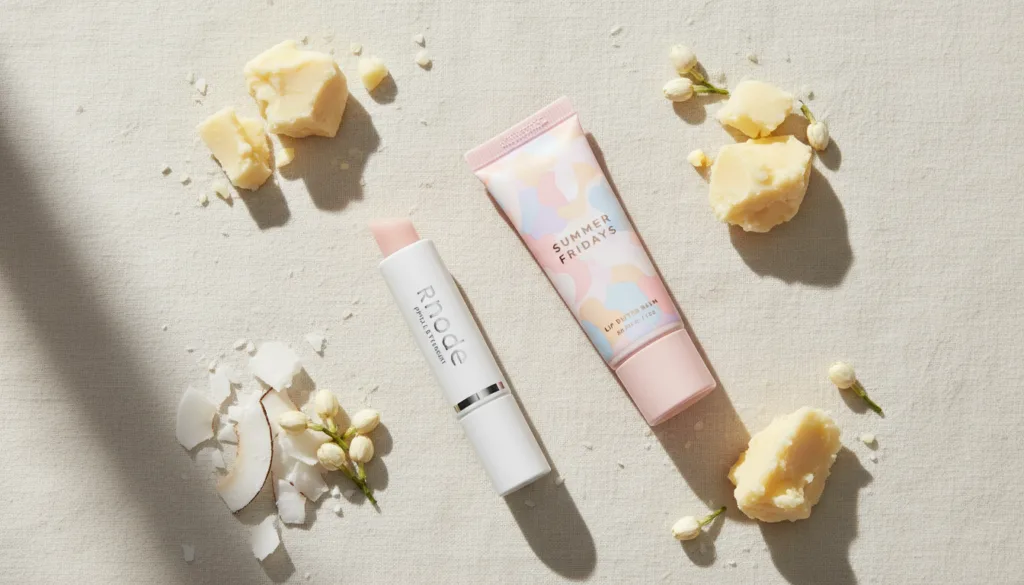
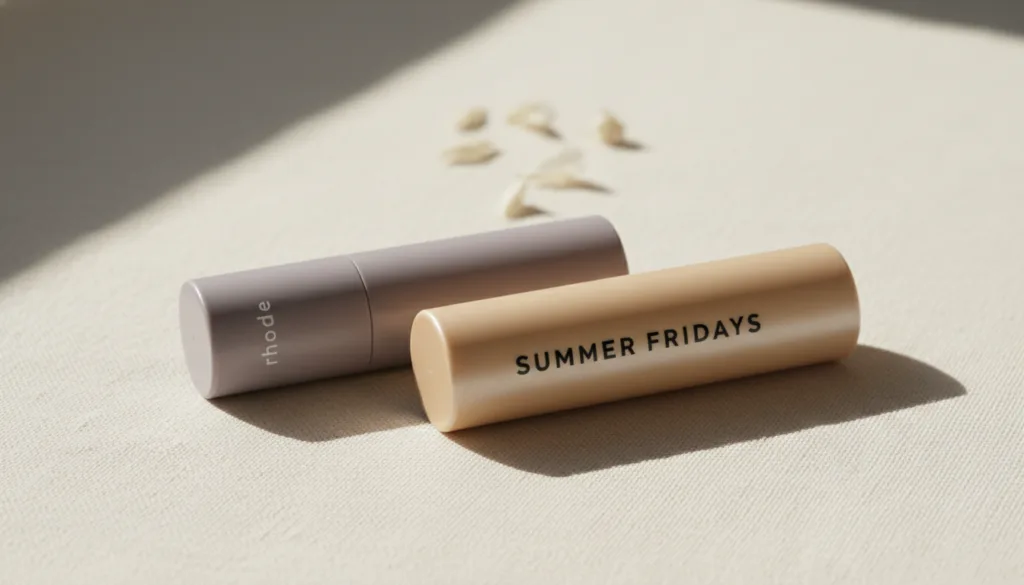
Many of you want us to settle the debate. We’re going to compare rhode vs summer fridays lip balm to see if the buzz is real. We’ll find out which one should be in your daily routine.
We’ve tested both lip balms a lot to give you a fair comparison. Whether you want deep hydration or a shiny look, we’ll guide you. Let’s dive into the rhode vs summer fridays battle.
Key Takeaways
Both products have become super popular on social media.
We look at texture, scent, and how well they keep your skin hydrated.
Choosing depends on what you like in terms of finish and how long it lasts.
Our comparison shows what makes these brands special.
We’ll tell you which one is worth your money for your next beauty buy.
The Viral Battle of the Lip Balms
Every beauty brand is now racing to create the ultimate hydrating lip balm. This has turned simple lip care into a huge cultural trend. Now, popular lip balms are more than just items in a drawer. They are key parts of our daily beauty routine, showing off our personal style.
In our best lip balm comparison, we see a market full of balms that promise to hydrate and shine. This shows how skincare and makeup are blending, with people wanting products that do more than just moisturize. We want a product that not only hydrates but also makes us feel special.
The viral tiktok lip balm has changed how we find and buy lip balms. Social media has made these balms symbols of the “clean girl” look. On your feed, you’ll see them in many “get ready with me” videos.
So, why do we love these balms so much? It’s because they offer a few things that fit our modern life:
Instant Gratification: The glossy finish gives us a quick confidence boost.
Skincare Benefits: We love formulas that moisturize and add color.
Aesthetic Appeal: The sleek packaging is perfect for social media.
Sensory Experience: The scents and textures make applying balm a special moment.
This obsession is about more than just moisturized lips. It’s about being part of a fun, visual beauty culture. We’re always looking for that perfect product that’s both useful and stylish. The current top products are hitting that mark.
Rhode Peptide Lip Treatment: A Deep Dive
We took a closer look at the Rhode Peptide Lip Treatment. It’s different from other lip products because it focuses on long-term lip health, not just shine.
Many of us look for the best peptide lip balm that really works. This product takes a skincare-first approach. It aims to restore and protect our lips’ delicate skin.
The Philosophy Behind the Peptide Formula
The treatment’s core is its careful ingredient list. It uses actives instead of just waxes to plump and hydrate the skin.
In our rhode lip balm review, we see how peptides make a big difference. They help:
Support natural collagen production for smoother lips.
Provide deep hydration with shea butter and cupuaçu.
Lock in moisture to keep lips from getting dry.
Texture and Application Experience
People love the unique feel of this treatment in beauty productsreviews. It’s not too heavy, yet not too light, either.
Applying it is smooth, giving an even coat that feels luxurious but not sticky. It’s great for both everyday wear and special occasions.
It’s so light, you can easily reapply for extra hydration. It raises the bar for modern lip care.
Summer Fridays Lip Butter Balm: The Cult Favorite
The Summer Fridays Lip Butter Balm has won many hearts. It stands out among beauty products for its deep hydration. Many summer fridays lip balm review posts say it makes dry lips soft and supple fast.
Why Everyone Is Obsessed with the Butter Texture
Its rich, buttery texture is why it’s so loved. Unlike thin glosses, it offers a thick, protective layer that lasts. It feels nourishing, not sticky or heavy.
It melts on contact, creating a smooth barrier that keeps moisture in. This is why it’s a daily must-have for many. It gives a cushiony feel that feels like a spa treatment every time.
Scent, Flavor, and Sensory Appeal
The sensory experience is a big reason for its great reviews. Each scent is made to make lip care a treat. Whether you like vanilla or fruity scents, it’s designed to uplift.
The scent and texture together make a great experience. It’s not just about hydration; it’s about enjoying a product that smells and feels great. Here’s why it’s a top pick for many.
Feature
Texture Profile
Sensory Impact
Consistency
Rich and Buttery
Comforting
Finish
High-Gloss
Polished
Scent
Varied/Delicate
Invigorating
Wear
Long-Lasting
Reliable
Rhode vs Summer Fridays Lip Balm: Ingredient Breakdown
When we compare these two lip balms, we see they have different ways to keep your lips soft and healthy. They both aim to soothe and protect, but their ingredients show how they work. Knowing these ingredients helps you pick the right rhode vs summer fridays lip balm for you.
Key Actives in Rhode Peptide Lip Treatment
The rhode peptide lip treatment focuses on science for better skin. It uses a special peptide complex to make your lips look fuller and stay hydrated longer. It also has shea butter and cupuaçu for soft lips all day.
This treatment also includes babassu, a natural moisturizer. These ingredients make it a top choice for those wanting a clinical approach to lip care. It’s not just a gloss; it’s a treatment for your lips.
The Nourishing Blend in Summer Fridays
The summer fridays lip butter balm uses vegan waxes and seed butters. This mix creates a moisture lock that’s great for fighting off harsh weather. It’s designed to be buttery, melting into your skin for quick relief.
“The secret to a great lip product lies in the balance between immediate comfort and lasting barrier protection.”
With shea and murumuru seed butters, this balm softens rough spots. It gives a cushiony feel that lasts, making it perfect for everyday use. Here’s a table to help you choose the right one for you.
Feature
Rhode Peptide Lip Treatment
Summer Fridays Lip Butter Balm
Primary Focus
Peptide-driven restoration
Seed butter barrier repair
Key Texture
Lightweight, glossy
Rich, buttery
Value Proposition
High-tech active ingredients
Deep, long-lasting nourishment
Choosing the best peptide lip balm depends on what you value more. Do you want active ingredients or deep hydration? Both offer great results, but they meet different needs. Try both to see which one fits your daily routine better.
Comparing Shine, Wear Time, and Performance
Finding the perfect lip product means looking beyond the packaging. We check how it performs in real life. Our best lip balm comparison focuses on how these formulas hold up against your morning coffee or a long day at work. Real-world performance is key.
Which Formula Lasts Longer on the Lips?
Longevity is a big factor for many. The Summer Fridays formula is a bit thicker, lasting longer on the skin. It creates a protective barrier that feels substantial all morning.
The Rhode Peptide Lip Treatment, however, feels like a lightweight serum. It hydrates deep within the skin but might need more frequent reapplication than a thicker balm.
Glossy Finish vs. Subtle Sheen
Visual appeal shows the biggest differences between these two products. If you want a high-shine look, Summer Fridays is for you. It reflects light beautifully, making your lips look plump and juicy.
The Rhode treatment, on the other hand, offers a more sophisticated, healthy-looking sheen. It’s less about glossy and more about naturally hydrated, smooth lips. Both options cater to different styles.
Feature
Rhode Peptide
Summer Fridays
Wear Time
Moderate
Long-lasting
Finish
Subtle Sheen
High Gloss
Texture
Lightweight
Rich Butter
Packaging and Practicality for Your Daily Routine
When you buy online, the lip balm’s design matters a lot. It should be as useful as it is good for your skin. Rhode and Summer Fridays have made packaging that’s perfect for a busy life.
The Squeeze Tube Experience
The squeeze tube is now the top choice for lip care. It lets you control how much you use, saving product. Precision is key for quick, on-the-go treatments.
“Good design is actually a lot harder to notice than bad design, in part because good design fits our needs so perfectly that the design is invisible.”
Portability and Mess-Free Application
Durability is key when you carry your stuff in a bag. These tubes can handle daily use without leaking or breaking. You can carry them anywhere, keeping your bag clean.
These products are great for work commutes or travel. They’re made for fast, easy touch-ups. Ready to upgrade? Buy online and get them delivered to your door.
The Verdict for Dry and Chapped Lips
Choosing the best lip balm for dry lips is more than looks. It’s about real care for your skin. When your lips are tight or flaky, you need a balm that goes deep, not just sits on top.
Which Product Provides Real Hydration?
Hydration depends on the ingredients in each balm. The Rhode Peptide Lip Treatment uses peptides to fix the skin barrier. It’s great for those looking for lasting lip texture improvement.
The Summer Fridays Lip Butter Balm, on the other hand, uses shea and murumuru seed butters. These natural emollients give quick relief and protection. If you have very chapped lips, Summer Fridays’ rich feel is often more comforting right away.
Addressing Sensitivity and Texture Issues
Many have worried about the texture of these balms, like graininess or separation. Both brands have improved their making to ensure a smooth feel. We’ve seen recent batches are much better than before.
If you have sensitive skin, check the ingredients for things that might irritate you, like fragrances. Both balms are usually okay, but the right one for you won’t make you react. Always do a patch test if you’re really sensitive.
In the end, if you want deep hydration, the peptide balm is likely your best bet. But if you want a thick, protective layer that keeps moisture in, the butter balm is better for everyday use.
The Clean Girl Aesthetic and TikTok Influence
Social media has changed the way we see lip care. It’s now a key part of the clean girl aesthetic. Lip balms have become essential for that effortless, glowing look. They’re everywhere in our feeds, from morning routines to “get ready with me” videos.
How Social Media Shaped Our Expectations
TikTok has made popular lip balms go viral. It’s all about visual storytelling. Brands use food-inspired images to make their products seem comforting and luxurious.
“Beauty is no longer just about the product itself; it is about the lifestyle and the identity that the brand helps you curate.”
These skincare essentials are seen as symbols of a balanced life. When a creator pulls out a sleek tube, it signals polished beauty. This branding makes us feel like we’re joining a community, not just buying a balm.
Styling Your Lip Balm for the Perfect Look
Styling your lip balm is key for the clean girl aesthetic. Many treat their lip products as part of their outfit. They match the packaging to their minimalist jewelry or neutral clothes. It’s all about a cohesive, curated look that’s effortlessly put together.
Choosing the right product is important. We’ve broken down the aesthetic and functional appeal of these items below.
Feature
Rhode Peptide
Summer Fridays
Aesthetic Vibe
Minimalist & Modern
Playful & Chic
Social Media Status
High-End Essential
Cult Favorite
Primary Use
Daily Glow
Sensory Indulgence
Packaging Style
Sleek & Compact
Vibrant & Bold
These popular lip balms are the final touch to any look. They add a subtle sheen to your skincare essentials collection. By choosing the right one, you’re embracing a lifestyle, not just moisturizing your lips.
Conclusion
Choosing between Rhode and Summer Fridays depends on what you want for your lips. Both brands offer great hydration to keep your lips soft all day.
If you want a rich, buttery texture, Summer Fridays is for you. It feels like a protective shield for your lips. You can buy it online to take care of your lips whenever they need it.
Rhode is perfect for those who love a sleek, high-shine finish. Its formula is packed with peptides for a polished look. It’s great for any occasion.
Try both to see which one fits your daily routine better. You can buy online from their official websites to get the real deal.
Your lips need the best ingredients out there. We hope this guide helps you find the perfect treatment for your lips.
FAQ
What is the main difference in a Rhode vs Summer Fridays lip balm comparison?
Rhode Peptide Lip Treatment is a thinner, high-shine formula. It focuses on peptides for smoothing. Summer Fridays Lip Butter Balm is thicker and more buttery. It uses seed butters for long-lasting nourishment.
Which is the best peptide lip balm for long-term lip health?
Rhode Peptide Lip Treatment is the best peptide lip balm. It uses a specialized peptide complex. This supports natural plumping and skin barrier health over time.
Which is the best lip balm for dry lips that need immediate relief?
Summer Fridays Lip Butter Balm is best for dry or chapped lips. It has shea and murumuru seed butters. These create a thick barrier that locks in moisture longer than Rhode.
Why did these products become a viral TikTok lip balm sensation?
Both brands fit the clean girl aesthetic. They use minimalist packaging and have celebrity backing. Their high-shine finishes and “aesthetic” tubes are perfect for TikTok.
Can I buy these popular lip balms and beauty products online?
Yes, you can buy them online. Summer Fridays is at Sephora, and Rhode is on their website.
How do the reviews compare regarding the “grainy” texture issues?
Early reviews of Rhode mentioned graininess due to temperature changes. But, the brand has updated its formula. Summer Fridays is known for its smooth and creamy texture.
Are these considered “clean” beauty products and skincare essentials?
Yes, both are “clean” formulations. They are vegan, cruelty-free, and free from certain synthetic ingredients. They are popular in skincare routines.
Which one offers the best value for money?
Summer Fridays has more product (15g) than Rhode (10ml). Prices are similar, but Summer Fridays gives you more. Rhode’s formula is more concentrated with active peptides.
The world of skincare is changing fast. For the first time, the korean beauty industry has beaten French cosmetics in US exports. This shows that skincare is now a big deal worldwide, not just a special interest.
Looking at korean beauty trends 2026, we see a shift from the famous 10-step routine. Now, it’s all about simple, science-backed routines that focus on what’s needed. This change means your skin gets what it needs without too much fuss.
These k-beauty trends are here to stay, not just a trend. By following a smart korean beauty trends forecast, you can get healthier, natural-looking skin with fewer products. It’s time to make your skincare routine smarter.
Key Takeaways
Korean skincare exports to the US have officially overtaken French brands.
The industry is pivoting from complex 10-step routines to streamlined, science-based habits.
Natural, healthy-looking skin is the primary goal for the upcoming year.
Efficiency and ingredient transparency are now more important than product quantity.
Modern rituals are designed to be sustainable and highly effective for your skin type.
The Evolution of K-Beauty Trends 2026
The korean beauty industry is always innovating. It’s moving from simple hydration to high-tech solutions. In 2025, we saw basic moisture barriers. Now, the focus is on more advanced methods.
The global market is expected to hit $149.37 billion by 2032. This shows k beauty trends 2026 are changing the game for skincare worldwide.
Shifting Priorities in the Korean Beauty Industry
The big change is towards biotech-driven formulations. Brands are using lab-grown ingredients that act like natural skin. This means faster, more noticeable results.
Instead of just moisturizing, the focus is on cellular health. Expect products that target specific skin issues at a molecular level. This keeps beauty trends korea at the cutting edge of science.
The Move Toward Hyper-Personalization in Skincare
The days of one-size-fits-all skincare are over. Modern korean beauty trends 2026 believe your routine should match your DNA. This hyper-personalized approach lets you create a custom plan for your skin.
The latest korean beauty trends forecast shows data-driven diagnostics are key. By understanding your skin’s needs, you can skip unnecessary products. This beauty trends in south korea lets you take charge of your skin health with precision.
Comparing 2025 and 2026: What’s Fading and What’s Staying
If you’re sticking to the old 10-step skincare routine, it’s time for a change. The new k beauty trends 2026 are all about doing more with less. They focus on a simpler, faster way to get better results.
Trends That Are Losing Momentum
Many fans of beauty trends korea are moving away from the “more is more” idea. The old days of using ten separate products are over. Now, it’s all about 4-5 steps that do it all.
People are ditching single-use products that take up space. Instead, they’re embracing multi-active formulations that save time and are better for the planet. This change helps you clean out your skincare collection and keep only what works.
Timeless Techniques That Remain Essential
Even as routines get shorter, the core of k-beauty trends stays the same. Keeping your skin hydrated and protected from the sun is always important.
We’re seeing a shift from simple hyaluronic acid to more advanced moisture keepers. Ingredients like polyglutamic acid are becoming popular for their ability to hold moisture. These new ingredients help keep your skin looking plump and healthy all day.
Practice
2025 Standard
2026 Evolution
Routine Length
10-Step Ritual
4-5 Multi-Active Steps
Product Focus
Single-Purpose
Multi-Functional
Hydration
Hyaluronic Acid
Polyglutamic Acid
K-beauty skincare
Layering Heavy
Strategic Absorption
By focusing on these key changes, you can easily keep up with the latest beauty trends in south korea. Choosing quality over quantity leads to a healthier, brighter complexion.
The Rise of Skin-First Makeup and Lighter Coverage
The beauty world is changing, putting your skin first. Now, we aim for a look that’s breathable and radiant. This shift celebrates your natural beauty, not hiding it.
Prioritizing Skin Health Over Concealment
This movement is all about Intentional Maximalism. It’s about choosing fewer, better products. These items should nourish your skin, making makeup an extension of your skincare routine.
“True beauty is not about hiding your flaws, but about highlighting the health and vitality of your skin.”
By focusing on skin health, makeup becomes a way to boost your natural glow. This approach keeps your skin healthy while looking polished all day.
Achieving the “No-Makeup” Makeup Look
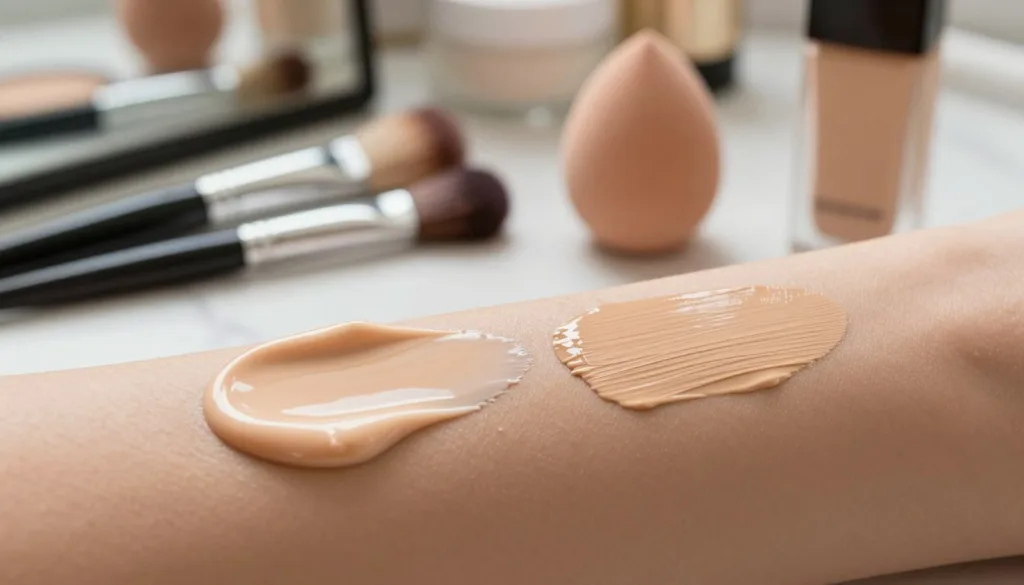
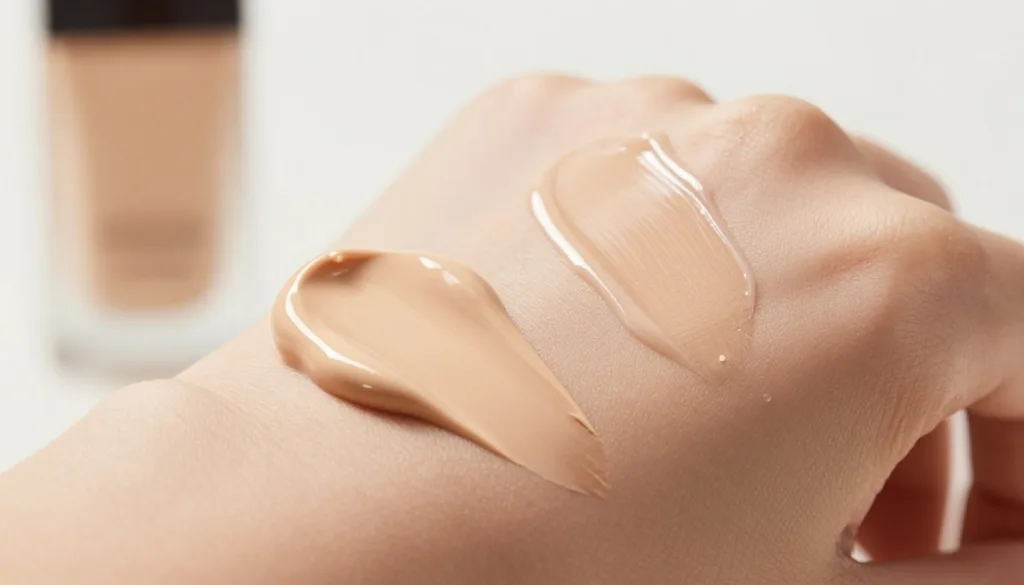
For a natural korean makeup look, use sheer, buildable products. Start with a light tint or serum-based foundation. This lets your real skin texture show.
Spot-conceal only where needed, not all over. Use a damp sponge to blend the makeup for a natural look. This makes your makeup look fresh and effortless.
Mastering the Finishes: Glass, Cloud, and Soft Matte
Looking for a shiny glow or a soft blur? The right finish can change your whole look. Today, there’s more variety in how your skin looks in the light. Knowing these textures lets you customize your look for any event.
The Continued Reign of Glass Skin
Glass skin makeup is a favorite for its dewy, clear look. It makes your skin look healthy and young. The main perk is its ability to reflect light and look polished.
To get this look, use light, water-based products. This creates a smooth surface that naturally catches light. It’s great for a fresh, lively look that feels light.
Understanding the Cloud Skin Texture
For a more subtle look, try the cloud skin trend. It offers a soft glow that hides blemishes. This finish gives a natural light that seems to come from within.
This texture is perfect for those who want to hide pores but keep a natural glow. The key benefit is its balance between dewy and matte. It looks good in any light and feels comfortable.
When to Opt for a Soft Matte Finish
Need a finish that lasts all day? Choose soft matte for control and longevity. It gives a smooth, polished look that stays all day.
Go for this finish if you have oily skin or need makeup that lasts. The main strength is its ability to refine texture without drying out your skin. It’s ideal for a professional, camera-ready look.
Lip and Eye Trends: Glossy Pouts and Natural Definition
To stay on trend, focus on glossy lips and subtle eye makeup. These korean makeup trends aim for a fresh, young look that’s both polished and easy. By focusing on these areas, you can make your daily makeup routine better.
The Popularity of Glossy and Blurred Lip Techniques
The korean lip trend now favors soft, dimensional finishes over heavy matte colors. Use a gradient technique to make your lips look natural. This means the color gets more intense in the middle and fades outwards.
To enhance this look, layer high-shine products over your base color. The Rom&nd Glasting Color Gloss is great for this, giving a shiny finish without being sticky. Paired with glass skin makeup, your lips become the highlight of your face.
Minimalist Eye Makeup and Natural Brows
Your eyes should be subtle to keep the natural korean makeup look going. The aim is to highlight your features without looking like you’re wearing a lot of makeup. Soft, neutral shades are best for this, as they just enhance your lash line.
Brows are also trending toward fuller, fluffier looks. Instead of sharp arches, go for a fuller brow that matches your natural shape. Minimal eye makeup lets your skin shine, keeping your look balanced and modern.
Why Skincare Prep Now Outshines Heavy Makeup
Today, beauty focuses more on healthy skin than heavy makeup. You don’t need thick foundation to hide flaws. Instead, k-beauty skincare helps you achieve a natural glow from the inside out. This way, your face looks radiant even before makeup.
The Foundation of a Perfect Look
A flawless look starts with clean, balanced skin. Double cleansing is key, removing dirt and preparing skin for treatments. This lets serums and moisturizers work better, giving you a truly smooth base for makeup.
True beauty isn’t about hiding your features. It’s about caring for your skin so your natural beauty shines every day.
How Proper Hydration Changes Your Makeup Application
Hydrated skin makes makeup apply smoothly, without creasing. Skipping hydrators can lead to caky makeup. A k beauty routine makeup approach keeps your skin hydrated, avoiding the “dry patch” look.
By following korean beauty tips, your makeup lasts longer and looks better. A well-prepped face absorbs colors well, keeping your look fresh and bright. See the benefits of skincare prep in the table below.
Feature
Heavy Makeup Approach
Skincare-First Approach
Texture
Often thick and cakey
Smooth and breathable
Longevity
Prone to fading or cracking
Stays fresh and luminous
Skin Health
Can clog pores over time
Supports the moisture barrier
Finish
Matte and artificial
Natural and dewy
The Enduring Popularity of Cushion Foundations
Why do cushion compacts keep winning over fans, even with so many foundation choices? It’s because they give you a flawless, dewy finish. Plus, they’re super easy to carry around for your busy days.
Why Cushion Compacts Remain a Staple
Cushion foundations are all about convenience and performance. They let you touch up your makeup anywhere, without using brushes or sponges that can get dirty.
People love how these compacts offer coverage that’s buildable but never heavy. With the right formula, you can get a natural, glowing look that lasts all day.
Innovations in Cushion Technology for 2026
New tech has turned these compacts into skincare powerhouses. Now, we see serum-infused formulas that moisturize and protect your skin while you wear them.
These korean skincare innovations fit right into your skincare routine. Using top-notch tools like the Medicube Booster Pro helps your cushion foundation look its best.
Today’s cushions focus on both looking good and feeling good. By using these korean skincare innovations, you get a beautiful face that’s also healthy.
Conclusion
This year, k-beauty trends focus on quality over quantity. It’s about skin health, not just layering products. Modern trends in Korean beauty use biotech ingredients that work with your skin’s natural barrier.
Begin by checking your vanity. Get rid of expired items and add new, science-backed formulas. Remember, using sunscreen daily is key. It can cut hyperpigmentation by 40% in three months.
Here’s how to refresh your routine:
1. Sort through your products to keep only what’s good for your skin.
2. Choose serums with biotech ingredients that meet your skin’s needs.
3. Always apply broad-spectrum SPF in the morning.
4. Watch how your skin texture changes in ninety days.
You can create a skincare routine that feels right for you. Take your time exploring these trends to find your own glow. Start your journey to healthy, radiant skin with these simple steps today.
## FAQ
### Q: What are the most significant Korean skincare innovations to look out for in 2026?
A: Expect a big change in skincare with a focus on biotech. The goal is long-term skin health, not quick fixes. Korean beauty is moving from just hydration to using precise ingredients like polyglutamic acid and lab-grown actives.
These innovations target specific skin needs. This makes your skincare routine more efficient and science-backed.
### Q: How does the cloud skin trend differ from the classic glass skin makeup look?
A: Cloud skin is different from glass skin in its finish. Glass skin aims for a shiny, reflective look. Cloud skin, on the other hand, offers a soft, ethereal glow.
It uses various textures to soften imperfections. This creates a dreamy, filtered look without being too shiny.
### Q: Is the traditional 10-step routine for Korean beauty now outdated?
A: The trend is shifting to “Intentional Maximalism.” Instead of the 10-step routine, focus on fewer, more effective products. Brands like Sulwhasoo and Laneige offer high-performance, multi-active products.
This change means each product works harder for your skin. It’s all about finding the right, potent steps for your skin.
### Q: What is the best way to achieve a natural Korean makeup look in 2026?
A: The key to a natural Korean makeup look is great skincare. Use products like the COSRX Advanced Snail 96 Mucin Power Essence for deep hydration. This makes your skin look plump and ready for makeup.
Then, use minimal foundation. This “skin-first” approach helps you look radiant and healthy without heavy makeup.
### Q: What are the top korean beauty tips for updating my lip routine this year?
A: For 2026, focus on a blurred edge and glossy lip look. Apply the Rom&nd Juicy Lasting Tint to your lips and blend the edges with your finger. This creates a youthful, gradient effect that’s easy and chic.
### Q: Why do cushion foundations remain a top priority in k-beauty skincare and makeup?
A: Cushion foundations are key because they blend skincare and makeup. The HERA Black Cushion, for example, has serum-infused technology. It treats your skin while giving coverage.
They’re great for a “no-makeup” look that’s perfect for busy lives. Cushion foundations are a staple in Korean beauty trends for 2026.
Finding the perfect makeup base can be tough. You might wonder if you’re using the right product for your skin. Knowing the difference between cream vs liquid foundation is key to a flawless look.
Your skin type affects how these foundations work all day. Some give a dewy glow, while others offer a matte finish that lasts. Choosing the right texture helps avoid issues like caking or settling into lines.
Many people can’t decide which is better cream or liquid foundation for their daily needs. By knowing your skin goals, you can pick a product that makes your face look radiant and healthy. Let’s look at how to choose the best for your beauty kit.
Key Takeaways
Identify your skin type to determine the best formula for your needs.
Liquid options often provide a lightweight, buildable finish for everyday wear.
Cream formulas offer higher coverage and are ideal for dry or mature skin.
Proper application techniques prevent makeup from settling into fine lines.
Your choice should balance your desired finish with your skin’s hydration levels.
Understanding the Core Differences Between Cream and Liquid Foundation
Choosing the right makeup base is key. Knowing the difference between cream and liquid foundation is essential. They both aim to even out your skin tone. But, their chemical makeup affects how they stay on your skin all day.
Looking at foundation types explained, you’ll see a big difference. It’s in the oil, water, and pigment ratio. This ratio decides if the foundation feels light or heavy. Knowing this helps you pick the right foundation for a flawless look.
Defining Liquid Foundation
Liquid foundation is loved for its versatile and buildable nature. It has a water or silicone base, making it smooth on your skin. It’s great for beginners because it blends easily, giving a natural look.
Defining Cream Foundation
Cream foundation, on the other hand, has a thicker, more emollient consistency. It’s full of waxes and oils, giving it a rich feel. This makes it perfect for high coverage and a smooth, lasting finish.
Feature
Liquid Foundation
Cream Foundation
Consistency
Fluid and thin
Thick and creamy
Primary Base
Water or Silicone
Oil or Wax
Coverage
Sheer to Full
Medium to Full
Best For
Daily wear
Special occasions
Texture, Coverage, and Finish Comparison
Choosing between a cream foundation vs liquid foundation depends on your makeup goals. Do you want a light, everyday look or a full-coverage finish? The texture of your foundation is key. It affects how your makeup looks and feels all day.
Analyzing Liquid Foundation Characteristics
Liquid foundations are known for their lightweight feel. They blend easily, making them perfect for a natural look. Their thin consistency helps them mimic healthy skin.
These foundations give a dewy or satin finish. They reflect light well, giving you a fresh, youthful look. They blend into pores, creating a soft, natural effect.
Analyzing Cream Foundation Characteristics
Cream foundations have a velvety-smooth texture. They feel richer and more substantial. This makes them great for covering blemishes or uneven skin.
For a polished look, cream foundations are often the better choice. They have a high pigment load that lasts. They’re perfect for a matte or semi-matte finish.
Feature
Liquid Foundation
Cream Foundation
Texture
Fluid and lightweight
Rich and velvety
Coverage
Sheer to medium
Medium to full
Finish
Dewy or natural
Satin or matte
Best For
Everyday radiance
Polished perfection
Cream vs Liquid Foundation Performance Across Skin Types
Your skin type is key when choosing between cream and liquid foundations. Knowing your skin helps you pick the right product. This ensures your makeup looks good all day.
Best Choices for Dry Skin
If your skin feels tight or looks dull, you need more moisture. Cream foundations are great for dry skin because they’re full of hydrating ingredients. They give your skin a dewy look and prevent makeup from settling in dry spots.
Consistency is key for dry skin. Creamy foundations act as a protective layer, keeping your skin soft and plump. They make your skin look healthy and vibrant.
Best Choices for Oily Skin
Oily skin needs a special approach to stay matte. A lightweight liquid foundation is often the best for oily skin. It controls shine and doesn’t slide off your face as the day goes on.
Choose oil-free or mattifying liquid foundations to keep pores clear. These products absorb excess oil and provide the coverage you need. Staying shine-free is easier with a base that balances your oil.
Best Choices for Combination Skin
Combination skin can be tricky to manage. You might have an oily T-zone and dry or sensitive cheeks. A versatile liquid foundation is often the best choice because it’s easy to layer.
Apply a thin layer all over and add more where needed. Strategic application helps keep your T-zone matte while your cheeks stay hydrated. This balance ensures your makeup looks good all over your face.
Application Techniques and Blending for Beginners
Getting a flawless look starts with the right makeup application. Whether you’re new to makeup or have been doing it for years, knowing how to apply foundation is key. When you look at cream vs liquid makeup, you’ll see they need different techniques for a smooth finish.
How to Apply Liquid Foundation Smoothly
Liquid foundations are loved for their light feel and adjustable coverage. Start by applying a small amount to your hand. Using a damp beauty sponge is a great way for beginners to get a smooth look.
Tap the sponge on your skin instead of dragging it. This helps the foundation blend into your pores without streaks. If you like using a brush, a synthetic buffing brush works well. Use small circles to blend the liquid evenly.
Mastering Cream Foundation Blending
Cream foundations give great coverage and a natural shine. They work best when warmed up a bit before applying. Rub the product between your fingers or use a dense brush to warm it up.
When using cream vs liquid makeup, be patient. Apply cream in thin layers, starting in the center of your face. Blend outward to avoid a heavy look. Blending is key to a natural finish.
Feature
Liquid Foundation
Cream Foundation
Best Tool
Damp Sponge
Dense Brush or Fingers
Blending Motion
Stippling or Bouncing
Buffing or Pressing
Finish
Natural to Matte
Dewy to Satin
Ease of Use
High for Beginners
Moderate
Longevity and Wear Throughout the Day
Ever wonder why your foundation looks perfect at 8 AM but fades by 5 PM? The secret is finding a product that stays strong all day. When choosing between cream vs liquid makeup, think about how your skin changes as the day goes on.
Performance in Natural Light
Natural sunlight is tough on any makeup. It shows every detail of your skin. If your foundation is too thick, it can settle into lines and pores, making you look cakey.
Liquid makeup gives a lighter, more natural look. But, if you want full coverage, be careful. The right liquid vs cream makeup depends on how much you want to hide under the sun.
How Foundations Hold Up Over Time
It’s not just about how it looks at first. It’s about how it lasts. Cream foundations stick well, which is great for dry skin. They move with your face, not crack or flake.
Liquid makeup might need a setting powder, mainly if you’re oily. Choosing the right one saves you from constant touch-ups. A good base stays fresh from morning to night.
Feature
Liquid Foundation
Cream Foundation
Natural Light Finish
Lightweight and skin-like
Rich and smoothing
Longevity
Requires setting
High adherence
Wear Over Time
May fade or separate
Stays flexible
Pros and Cons of Liquid Foundation
Choosing between cream foundation vs liquid makeup means looking at how they work on your skin. Liquid formulas are known for their versatility and ease of use. Knowing these points helps you create a routine that feels right and looks great all day.
Advantages of Liquid Formulas
Liquid foundation is loved for its lightweight feel. It’s water or silicone-based, making it easy to apply. This is perfect if you want a natural, buildable finish that doesn’t feel heavy.
Many people like how well these formulas blend into the skin. You can get a seamless look with just your fingers, a damp sponge, or a synthetic brush. This lets you adjust the coverage from sheer to full, based on your day’s needs.
Common Drawbacks of Liquid Makeup
Even though they’re popular, liquid foundations have some downsides. Some use a lot of silicones for a smooth texture, which might not be for everyone. If you have sensitive skin, always check the ingredients for anything that might irritate you.
Another issue is that some liquid products can settle into fine lines or pores as the day goes on. This is more noticeable on dry skin or if you don’t set your makeup with powder. Using a good primer can help with this problem.
Feature
Liquid Foundation
Cream Foundation
Texture
Fluid and lightweight
Thick and emollient
Coverage
Buildable (Sheer to Full)
High and opaque
Best For
Oily to Normal skin
Dry to Mature skin
Finish
Natural or Matte
Dewy or Satin
Choosing between cream foundation vs liquid makeup depends on your skin type and desired look. By considering these points, you can pick what best enhances your natural beauty.
Pros and Cons of Cream Foundation
Choosing the right makeup base is all about knowing the perks of cream formulas. When you compare cream foundation vs liquid foundation, cream wins for its richer, more moisturizing feel. It’s perfect for a healthy, vibrant look.
Advantages of Cream Formulas
Cream-based products are known for their exceptional hydration. They’re full of oils and waxes that keep moisture in, great for dry or mature skin. Your skin will feel softer and look brighter all day.
Another big plus is the buildable coverage. The thicker texture lets you layer it without looking cakey. It gives a smooth, airbrushed look that lasts, keeping you polished for hours.
Common Drawbacks of Cream Makeup
Despite the benefits, there are downsides to cream foundation vs liquid makeup. One issue is blending. The dense formula needs careful buffing with a good brush or sponge to avoid sitting on the skin.
Also, watch the ingredients to avoid a heavy feel. Too many heavy waxes can be overwhelming on oily skin. Finding the right mix is essential for a comfortable, light feel.
Feature
Cream Foundation
Liquid Foundation
Hydration Level
High
Low to Medium
Blending Effort
Moderate
Low
Finish
Dewy/Radiant
Matte/Natural
Best For
Dry/Mature Skin
All Skin Types
Conclusion
Choosing the right base product can change your daily beauty routine. You now know how to compare different textures to find what works best for your skin.
Deciding between cream and liquid foundation depends on what you want. If you want a moist, dewy look for dry skin, try a rich cream from Laura Mercier. For a light, buildable look, liquid formulas from Estée Lauder or Fenty Beauty are great.
Think about your lifestyle when picking a foundation. Liquid foundations are easy to blend for quick mornings. Cream palettes are perfect for high-coverage looks at special events.
Finding the right foundation is a personal journey. Your skin type and coverage needs are key. Try different textures to see how they work with your skin and environment.
Listen to your gut when trying out these products. The best foundation makes you feel confident and comfortable. Enjoy finding the perfect makeup to match your style.
FAQ
Advantages of Liquid Formulas
Liquid foundation is easy to use and versatile. It’s breathable and available in a wide range of shades and finishes.
### Common Drawbacks of Liquid Makeup Some liquid formulas contain high amounts of silicones, which may not suit sensitive skin. If the formula is too thin, it may settle into fine lines or large pores without a setting powder.
Advantages of Cream Formulas
Creams offer high coverage and hydration. They are travel-friendly and provide a smooth finish. They are great for a youthful, dewy look.
### Common Drawbacks of Cream Makeup The main disadvantage is the learning curve. Applying too much can make it feel heavy. You must also be careful about hygiene to avoid bacteria.
When deciding between cream vs liquid foundation, which one is easier for a beginner to apply?
Liquid foundation is easier for beginners. Its fluid consistency makes blending with fingers or a sponge easy. Brands like MAC Cosmetics offer iconic formulas that are easy to use.
What is the biggest difference between cream and liquid foundation for someone with mature skin?
For mature skin, cream foundation is preferred for its hydration and barrier against moisture loss. A lightweight liquid, like Giorgio Armani Luminous Silk, also offers a glow without heaviness.
How do I know which is better cream or liquid foundation for a high-humidity climate?
In humid climates, liquid foundation is better. It’s oil-free and matte, resisting moisture. Creams can “slide” when you sweat, so a long-wear liquid is more reliable.
Can I achieve a full coverage vs natural foundation look with a single liquid product?
Yes! Many liquid foundations are “buildable.” You can apply one layer for a natural look or add more for full coverage. The NARS Natural Radiant Longwear Foundation is a great example.
Is cream foundation vs liquid makeup better for hiding severe acne or scarring?
Cream foundation is better for concealing severe acne or scarring. It has a higher pigment-to-filler ratio, providing opaque coverage that can neutralize redness and smooth out scars.
Which foundation is better if I have a very oily T-zone but dry cheeks?
For combination skin, use a liquid on your oily areas and a hydrating cream on your cheeks. If you must choose one, a satin-finish liquid is often the most balanced.
Why is cream vs liquid makeup often debated for photography?
Cream foundation is popular in photography for its ability to create a “poreless” finish. For everyday selfies, many prefer liquid makeup for its natural look without the heaviness.
Does the best foundation for dry skin always have to be a cream?
Not always, but it’s a safe bet. While there are hydrating liquid foundations, cream foundation provides a physical barrier that prevents moisture loss, making it best for dry skin in colder months.
Which is better cream or liquid foundation for minimizing the appearance of large pores?
Liquid foundation, paired with a good primer, works best for pores. Thicker creams can make pores more visible if not buffed perfectly. A lightweight liquid provides a smoother look.
Between cream foundation vs liquid makeup, which usually lasts longer without touch-ups?
Liquid foundation, with “24-hour” or “Transfer-resistant” claims, usually lasts longer. Cream foundation is great for its finish but may require a setting powder to last as long as a liquid.
For years, we all loved the “no-filter” look. Our makeup was all about simple, neutral colors. But now, a new trend is taking over our feeds. The playful makeup trend is back in style.
Instagram is full of people swapping out their beige for bright blues and pinks. These makeup trends 2026 are all about showing off your personality with bold colors. Don’t worry, it’s easier than you think to pull off a bold look.
Learning how to do bold makeup takes practice, but it’s worth it. Start by focusing on one area at a time. This way, you can add color without feeling like you’re in costume. Get ready to turn your daily makeup into a work of art.
Key Takeaways
The beauty industry is moving away from minimalism toward expressive, vibrant aesthetics.
Social media platforms like Instagram are driving the resurgence of colorful cosmetic styles.
You can balance intense pigments by keeping the rest of your face clean and simple.
Focusing on a single focal point, such as eyes or lips, prevents an overdone appearance.
Embracing these fresh styles is a perfect way to showcase your unique personality.
The Evolution of Playful Makeup in 2026
In 2026, makeup is getting bolder and more playful. Gone are the days of simple looks. Now, it’s all about vibrant colors and daring styles.
Instagram has shown us this change. With more colorful makeup tips and tutorials, people are eager to try new things.
From Minimalist Trends to Expressive Color
Playful makeup has come a long way. It started with natural makeup techniques that highlighted your features subtly.
But now, we see more bold makeup looks and vibrant colors. It’s about using bold colors in a way that’s both subtle and impactful.
Defining the Playful Makeup Aesthetic
So, what makes playful makeup in 2026 special? It’s about being bold but staying true to your natural look. The goal is to find a balance between bold and natural.
To get this look, start with one bold piece, like a bright lip or colorful eyeshadow. Then, balance it with more natural shades.
How to Wear Bold Makeup Naturally
You don’t need to be a makeup pro to rock bold colors. It’s all about finding the right balance and technique. With the right approach, you can pull off a bold look that feels natural.
Mastering Your Base and Skin Prep
A solid base is key for bold makeup. Start by moisturizing and priming your skin. Choose a foundation that matches your skin tone for a flawless finish.
Apply your foundation with a brush or beauty blender. Make sure to blend well around the hairline and jawline. A well-prepped base makes bold makeup look natural and last longer.
Choosing Colors That Complement Your Skin Tone
The right color can change everything in bold makeup. Cool skin tones look great with blue or purple. Warm skin tones shine with yellow or golden shades. Neutral skin tones can pull off many colors.
Try different shades to find your best match. For example, cool skin tones look stunning with bold blue eyeshadow or purple lips.
Balancing Bold Features for a Cohesive Look
To avoid looking too done, balance your bold features. Pair bold eyeshadow with a subtle lip color. Or, wear a bold lip with simple eyes.
Focusing on Eyes Without Overwhelming the Face
Make your eyes pop by starting with a light base color. Then, add a medium shade to the crease and blend. Finish with a bold shade on the outer corner or lash line.
For beginners, try bold eyeshadow on the lid and a lighter shade on the inner corner. This creates a striking pop of color.
Applying Bright Blush for a Fresh Glow
Bright blush adds a healthy glow to your cheeks. Pick a shade that matches your skin tone. Apply it to the apples of your cheeks and blend upwards and outwards.
Making a Statement with Bold Lips
A bold lip color can instantly elevate your look. Choose a shade that complements your skin tone. Use a lip liner to prevent feathering.
For a subtle look, apply bold lip color to the center of your lips and blend outwards.
Beginner-Friendly Techniques for Everyday Color
If you’re new to bold makeup, start small. Add a bold eyeshadow to your everyday look or wear a bright lip color on special occasions.
Practice makes perfect. Don’t get discouraged if it takes a few tries. Watch tutorials and try different techniques to find what works for you.
Common Mistakes to Avoid When Using Bright Pigments
Don’t overdo it. Start with a light hand and build up your color gradually. Also, make sure to blend well to avoid harsh lines.
Choose colors that complement your skin tone. With practice and patience, you can master bold makeup naturally.
Conclusion
You can now add the latest makeup trends 2026 to your daily routine easily. By learning a few simple tricks, you can make your natural beauty pop with bold makeup. This can be both fun and elegant.
Begin by adding one or two bold touches to your makeup. Try a bright lip color or a bold eyeshadow. Instagram is full of ideas from beauty lovers and artists. They share the latest trends and tips.
To get a natural look with color, mix bold features with softer ones. This way, you get a playful yet polished look. With some practice, you’ll easily blend bold makeup into your daily look. This will highlight your natural beauty and show off your style.
FAQ
How can a bold eyeshadow beginner start using color without feeling overwhelmed?
Start with a sheer wash of color. Use Glossier Skywash or Lemonhead LA Spacepaste for a buildable effect. Apply one tint across your lids for a smooth transition to bold makeup.
What are the best natural makeup techniques for applying bright pigments?
Use your fingers to “tap” color onto your skin. This method blends the pigment into your skin for a natural look. Cream-based products from Fenty Beauty blend well with your foundation for a natural bold style.
How to wear bright blush while maintaining a subtle bold makeup look?
Choose a liquid blush formula like Rare Beauty Soft Pinch. Apply it higher on the cheekbones. Blend it well into your temples for a natural lift without looking heavy.
Can I wear bold makeup for everyday wear at the office?
Yes! Pick one bold feature, like a vibrant lip from MAC Cosmetics. Keep your eyes simple with Maybelline Great Lash mascara. This balance works well in a professional setting.
What are some tips for creating a natural bold makeup look that lasts all day?
Start with a hydrating primer like Milk Makeup Hydro Grip. This keeps your makeup fresh. Use a skin tint like Saie Slip Tint for a glowing base. Your bold accents will look intentional and fresh.
How do I know which colors will complement my skin tone?
Warm undertones look great in sunset oranges and teals. Cool undertones pop in berries and icy blues. Try Urban Decay Wired Pressed Pigment Palette to find the best colors for your skin.
Did you know your body sheds nearly 40,000 dead skin cells every minute? Over a year, you lose about nine pounds of surface cells without noticing. These dead cells trap dirt, making your skin look dull.
To improve your skin care routine, removing these dead cells is key. This simple step clears clogged pores and smooths out your skin. You deserve to look your best every day.
Achieving glowing skin is easier than you think. By adding a regular exfoliation step, you can reveal your skin’s natural glow. This guide will show you how to brighten your complexion safely.
Understanding exfoliation is the first step to a healthier lifestyle. We’ll cover the best tools and techniques to boost your confidence. Let’s start your journey to radiant skin.
Key Takeaways
Remove dead cells to prevent a dull complexion.
Clear out clogged pores for smoother texture.
Improve the absorption of your favorite moisturizers.
Learn the difference between chemical and physical methods.
Discover how often you should treat your face.
Identify the best tools for your specific needs.
What is Exfoliation and Why is it Important?
Exfoliation is the process of removing dead skin cells from the skin’s surface. It’s a key step for keeping the skin healthy. As we age, our skin sheds cells more slowly, leading to dullness, dryness, and clogged pores.
Understanding the Different Types of Exfoliation
There are two main types of exfoliation: physical and chemical. Physical exfoliation uses tools like scrubs to remove dead skin cells. Chemical exfoliation uses acids to break down the ‘glue’ between cells, making it gentler and more effective.
Choosing between physical and chemical exfoliation depends on your skin type and concerns. Sensitive skin might do better with chemical exfoliation. Physical exfoliation is better for removing tough dead skin cells.
Benefits of Regular Exfoliation for Your Skin
Regular exfoliation greatly improves your skin’s health and look. It removes dead skin cells, revealing fresh, healthy skin that looks brighter and feels smoother. It also makes your skin more receptive to skincare products.
Improves skin texture and tone
Unclogs pores, reducing acne
Enhances skincare product absorption
Adding an exfoliation routine to your skincare can tackle many skin issues. It helps keep your skin healthy and glowing.
How to Choose the Right Exfoliator for Your Skin Type
Effective exfoliation starts with knowing your skin type. Then, pick an exfoliator that meets its needs. Your skin type is key to finding the best exfoliation method. Whether you have oily, dry, sensitive, or combination skin, there’s a perfect exfoliator for you.
Exfoliation for Oily Skin
For oily skin, choose an exfoliator that removes dead skin cells and controls oil. Look for exfoliators with salicylic acid or glycolic acid. These ingredients go deep into pores and cut down on oil. Exfoliating 2-3 times a week can make your skin look matte and reduce acne.
Exfoliation for Dry or Sensitive Skin
If you have dry or sensitive skin, go for a gentler exfoliation. Physical exfoliants with fine, round particles or chemical exfoliants with alpha-hydroxy acids (AHAs) are good choices. They remove dead skin cells without irritating your skin. Exfoliate once or twice a week to keep your skin from losing its natural oils.
Exfoliation for Combination Skin
Combination skin needs a balanced exfoliation approach. You might need to use different techniques on different face areas. For the T-zone (forehead, nose, and chin), use a stronger exfoliation to control oil and blackheads. But, be gentle on the cheeks and other dry areas.
By understanding your skin type and picking the right exfoliator, you can enjoy brighter, smoother skin. You’ll also see a reduction in pore appearance.
Step-by-Step Exfoliation Routine for Glowing Skin
To get your skin glowing, follow this easy exfoliation guide. Adding this simple step to your skincare routine will help you say goodbye to dull skin. You’ll soon have a healthier, glowing complexion.
Preparing Your Skin for Exfoliation
Before you start exfoliating, prepare your skin. Clean your face with a gentle cleanser to remove dirt and makeup. This makes sure your skin is clean and ready for exfoliation.
Tip: Clean your face with lukewarm water. Hot water can take away your skin’s natural oils.
How Often Should You Exfoliate?
How often you exfoliate depends on your skin type. Most people exfoliate 1-3 times a week. But if you have sensitive skin, you might need to do it less often.
Skin Type
Exfoliation Frequency
Normal Skin
2-3 times a week
Sensitive Skin
1 time a week
Oily Skin
2-3 times a week
Post-Exfoliation Care Tips
After exfoliating, moisturize your skin to keep it hydrated and nourished. Choose a gentle moisturizer that fits your skin type.
“Exfoliating is not just about removing dead skin cells; it’s also about revealing the brighter, smoother skin underneath.”
Also, apply sunscreen during the day to protect your skin from UV damage.
By following this step-by-step exfoliation routine, you’ll be on your way to achieving glowing, healthy-looking skin.
Cleanse your skin before exfoliating
Exfoliate according to your skin type
Moisturize after exfoliating
Natural Exfoliation Methods You Can Try at Home
You don’t need expensive skincare products to get glowing skin. Natural exfoliation methods are gentle and effective. They help remove dead skin cells, revealing smoother skin.
Creating Your Own DIY Scrubs
Making your own scrubs is fun and saves money. Use natural ingredients like sugar, salt, and coffee grounds. For example, a sugar scrub with olive oil and lemon juice nourishes and brightens your skin.
Benefits of Natural Ingredients
Natural ingredients in your exfoliation routine are good for your skin. Honey and avocado moisturize, while turmeric and cinnamon reduce inflammation.
Safety Precautions for Home Remedies
Always test new ingredients on a small skin area before using them. This prevents any bad reactions. Be gentle when exfoliating to avoid irritation and dryness.
Adding natural exfoliation to your skincare routine can make your skin healthier and glow. It’s a way to avoid harsh chemicals in some commercial products.
FAQ
What is the main difference between chemical and physical exfoliators?
Physical exfoliants use small grains or tools to remove dead cells. Chemical exfoliants use acids to break down dead skin. If you have acne, a chemical exfoliant like Paula’s Choice Skin Perfecting 2% BHA is better for clearing pores.
Can I exfoliate if I have very sensitive skin or rosacea?
Yes, but be gentle! Use a mild chemical exfoliant like Lactic Acid or Mandelic Acid. The Ordinary Lactic Acid 5% + HA is a good choice for a gentle glow.
Is it safe to exfoliate if I am also using a Retinol product?
Use caution when mixing Retinol and exfoliants. They both increase cell turnover. Try “skin cycling” to use them safely.
Why do I need to be more diligent with sunscreen after exfoliating?
Exfoliating reveals new skin cells that are more vulnerable to UV damage. This increases the risk of hyperpigmentation. Always use a broad-spectrum SPF 30 or higher, like EltaMD UV Clear, every morning.
How often should I realistically incorporate exfoliation into my routine?
Exfoliate two to three times a week for most skin types. Oily skin might need three times, while dry skin should limit it. If your skin feels tight, you’re exfoliating too much. Use a hydrating product like Kiehl’s Ultra Facial Cream then.
Are there natural ingredients I can find in my kitchen for a DIY scrub?
Yes! Use Manuka honey and colloidal oatmeal for a soothing mask. For a body scrub, try finely ground coffee or brown sugar. But be gentle to avoid skin damage.
Did you know that about 80% of people worldwide use plant-based treatments for their health? This shows a big move toward holistic health and living mindfully. You might be looking for ways to boost your wellness without synthetic stuff.
Choosing natural remedies can really change how you feel. These methods heal your body and mind together to better your health. By seeing your body as a whole, you can find lasting balance.
Using these organic tools lets you control your daily energy. Imagine feeling energized and balanced with nature’s help at home. Our guide shows how to add these habits to your busy life.
Using nature’s gifts is more than a trend; it’s a sustainable lifestyle. When you focus on wellness, you build a base for a happier, more active life. Let’s explore the benefits of these organic solutions.
Key Takeaways
Discover how plant-based treatments support your body’s recovery.
Learn the importance of treating the whole person, not just symptoms.
Identify simple ingredients that boost your immune system naturally.
Understand the role of stress management in long-term vitality.
Find out how to incorporate ancient wisdom into modern daily routines.
Explore the safety and efficacy of common herbal supplements.
Understanding Natural Remedies
Exploring natural health means learning about natural remedies. These are treatments that use natural things to help health and prevent sickness. They come from plants, herbs, and other organic stuff.
What Are Natural Remedies?
Natural remedies come from plants, herbs, and organic stuff. They help with many health problems, big and small. They treat the whole person, not just symptoms.
History of Natural Remedies
Natural remedies have been around for a long time. Ancient places like Egypt, China, and Greece used them. For example, traditional Chinese medicine is thousands of years old. It includes things like acupuncture and herbal medicine.
“The physician must be able to tell the antecedents, know the present, and foretell the future.”
These remedies have been passed down for ages. Many modern treatments started from old ways. Knowing their history helps us see if they work and are safe.
Benefits of Using Natural Remedies
Using natural remedies has many good points. They usually don’t have as many side effects as medicines do. They’re also cheaper and easier to find, which is great for those looking for other health options.
Benefits
Description
Fewer Side Effects
Natural remedies usually have fewer side effects than synthetic drugs.
Cost-Effective
Many natural remedies are made from things we can easily find, so they’re cheaper.
Holistic Approach
Natural remedies often treat the whole person, not just symptoms.
Learning about natural remedies helps you make better health choices. You might find new ways to stay healthy.
Common Health Issues Addressed by Remedies
Many health problems can be helped by natural remedies. People are choosing these options to feel better and tackle health issues.
Digestive Problems
Digestive issues like bloating and constipation are common. Ginger and probiotics can help with these problems.
Ginger soothes the stomach. Probiotics keep the gut healthy, which is key for digestion.
Skin Conditions
Skin problems like acne and eczema can be tough. Natural remedies offer many solutions, from creams to diet changes.
Tea tree oil fights acne-causing bacteria. Eating less sugar and more omega-3s can also help your skin.
Skin Condition
Natural Remedy
Benefit
Acne
Tea Tree Oil
Antimicrobial properties
Eczema
Oatmeal Baths
Soothes and moisturizes
Psoriasis
Aloe Vera
Reduces inflammation
Stress and Anxiety
Stress and anxiety are big issues today. Natural remedies can help without the side effects of some drugs.
Meditation and deep breathing calm the mind. Ashwagandha and chamomile tea also help relax.
“Meditation is not a way of making your mind quiet. It’s a way of entering into the quiet that’s already there – buried under the 50,000 thoughts the average person thinks every day.”
Adding these natural remedies to your day can help manage stress and anxiety. This can greatly improve your life.
Herbal Remedies and Their Uses
Adding herbal remedies to your health routine can be simple and effective. These remedies come from plants and natural sources. They offer a natural way to prevent and treat health issues.
Popular Herbs for Health
Many herbs are known for their health benefits. Some top ones include:
Echinacea, known for its immune-boosting properties.
Elderberry, often used to combat colds and flu.
Ginger, valued for its anti-inflammatory effects.
Turmeric, containing curcumin, which has potent antioxidant and anti-inflammatory properties.
You can use these herbs in teas, capsules, and tinctures. This makes it easy to add them to your daily routine.
How to Use Herbal Remedies
The way to use herbal remedies depends on the herb and the health issue. Here are common ways:
Teas and Infusions: Steeping herbs in hot water to make a soothing tea.
Tinctures: Concentrated extracts that can be taken sublingually or added to water.
Capsules and Tablets: Convenient forms for those who prefer a straightforward supplement.
Topical Applications: Creams, salves, and ointments for skin issues or localized pain.
It’s important to follow the recommended dosages and preparation methods. This ensures the remedy works well and is safe.
Precautions When Using Herbs
Herbal remedies can be helpful but also have risks. Some herbs can interact with medications or have side effects. Here are some precautions:
Consult with a healthcare professional before starting any new herbal remedy, if you have health conditions or take medications.
Be aware of possible allergic reactions or sensitivities to certain herbs.
Follow recommended dosages and be cautious with long-term use.
By being informed and cautious, you can safely use herbal remedies. This way, you can enjoy their many benefits.
Essential Oils as Natural Remedies
Essential oils are a powerful tool in natural health. They are highly concentrated plant extracts used for centuries. They have many therapeutic properties.
Benefits of Aromatherapy
Aromatherapy uses essential oils to improve health. Lavender oil helps with sleep and relaxation. Tea tree oil fights bacteria and reduces pain and swelling.
Aromatherapy can reduce stress and improve mood. It can also help with physical symptoms like pain and nausea. Adding essential oils to your daily routine can boost your well-being.
How to Incorporate Essential Oils
There are many ways to use essential oils. You can use a diffuser to spread the scent. Or add a few drops to your bath water for a relaxing soak. You can also mix them with a carrier oil for a massage.
But remember, always dilute essential oils before applying them to your skin. This prevents irritation.
Here is a simple guide on how to use some popular essential oils:
Essential Oil
Use
Benefits
Lavender
Diffuser, topical (diluted)
Promotes relaxation, improves sleep
Tea Tree
Topical (diluted), cleaning
Antimicrobial, relieves pain
Peppermint
Diffuser, topical (diluted)
Relieves nausea, improves focus
Safety Tips for Essential Oils
Essential oils are beneficial but must be used safely. Always dilute them with a carrier oil before skin application. This prevents their potency from causing irritation.
Also, do a patch test to check for any adverse reactions. Some essential oils are not safe during pregnancy or for people with certain health conditions. Always consult a healthcare professional before starting any new remedy.
By following these safety tips, you can enjoy the benefits of essential oils. They can enhance your natural health regimen.
Dietary Remedies to Boost Health
Eating well is key to feeling great. Adding special foods to your day can really help. What you eat affects your health a lot.
Foods That Heal
Some foods can fight off sicknesses. Garlic fights bacteria and viruses. Turmeric has a compound that reduces inflammation. Eating these can make you healthier.
Ginger helps with digestion, and spinach and kale are full of good stuff. Choosing the right foods can make you feel better.
Superfoods to Include
Superfoods are packed with nutrients. Blueberries are full of antioxidants, and salmon has omega-3s. They’re good for your heart and brain.
Quinoa is a complete protein, and chia seeds have lots of fiber and omega-3s. Adding these to your meals boosts your health.
Meal Ideas for Health
Healthy meals can change your life. Mix healing foods and superfoods into your meals. Try a salad with spinach, blueberries, and salmon, or a quinoa bowl with veggies and chia seeds.
Also, add garlic and ginger to your food for extra health benefits. Being creative with meals helps you get the most from your diet.
Home Remedies: Simple Solutions
You can take control of your well-being with everyday ingredients. Home remedies have been a key part of natural health for centuries. They offer simple and effective solutions to common health issues. By adding these remedies to your daily routine, you can improve your health and practice self-care.
Everyday Ingredients for Remedies
Many home remedies use ingredients you probably have at home. Honey and ginger are known for their soothing effects. Honey can soothe a sore throat, and ginger can help with nausea and digestion.
Lemons, garlic, and turmeric are also common in natural remedies. Lemons boost your immune system and aid digestion. Garlic fights bacteria, and turmeric has anti-inflammatory and antioxidant properties.
Quick Fixes for Common Ailments
Home remedies can quickly help with many common issues. A mix of honey and lemon can soothe a sore throat. Ginger tea can calm an upset stomach. These remedies not only help but also encourage self-care by letting you take charge of your health.
Having these natural ingredients ready means you can make effective remedies quickly. This approach to health focuses on prevention and treatment naturally, fitting with natural health principles.
Exercise as a Natural Remedy
Exercise is a powerful natural remedy that can change your health in many ways. Regular physical activity improves your physical health and boosts your mental well-being. Adding exercise to your daily routine can greatly improve your life quality.
Benefits of Physical Activity
Regular physical activity brings many health benefits. It improves your heart health, increases strength and flexibility, and sharpens your mind. Exercise also helps manage stress, improves sleep, and lifts your mood. It helps keep a healthy weight and lowers the risk of diseases like diabetes and heart disease.
Exercise is not just good for your body; it’s also great for your mind. It reduces anxiety and depression, improves thinking, and boosts mental health.
Types of Exercises for Health
There are many exercises that are good for your health. Aerobic exercises like walking, running, and cycling boost heart health and endurance. Strength training with weights or bands builds muscle and increases metabolism. Flexibility exercises, such as yoga and stretching, improve flexibility and prevent injuries.
To get the most from exercise, create a balanced routine. Include a mix of different activities. Aim for at least 150 minutes of moderate-intensity aerobic exercise or 75 minutes of vigorous-intensity aerobic exercise weekly. Also, do strength training exercises twice a week, focusing on all major muscle groups.
When planning your exercise routine, think about your goals, fitness level, and any physical limits. Listen to your body and take rest days when needed. By finding a balance that suits you, exercise can become a fun and lasting part of your life.
The Role of Hydration in Health
Your body needs water for everything, from energy to skin health. Drinking enough water keeps your body fluids balanced. This is key for your body to work right.
Importance of Drinking Water
Drinking water is the simplest way to stay hydrated. Water makes up about 60% of your body weight. It helps regulate your body temperature and moves nutrients and oxygen to your cells.
Aim to drink at least eight glasses of water a day. Your needs can change based on how active you are, the weather, and your health. Drinking enough water boosts energy, improves skin, and helps your kidneys.
Herbal Teas and Infusions
Herbal teas and infusions also help with hydration. Herbal teas like peppermint, chamomile, and hibiscus hydrate you and offer health benefits. They are full of antioxidants.
For example, peppermint tea helps with digestion. Chamomile tea can help you relax and sleep better. Adding different herbal teas to your routine makes staying hydrated fun and flavorful.
Electrolyte Solutions
When you’re very active or it’s very hot, electrolyte solutions can help. They replace lost salts and keep you hydrated. Electrolytes like sodium, potassium, and calcium are important for your nerves and muscles.
Electrolyte
Function
Food Sources
Sodium
Regulates fluid balance
Table salt, soy sauce, pickles
Potassium
Supports nerve and muscle function
Bananas, avocados, spinach
Calcium
Essential for bone health
Dairy products, leafy greens, fortified foods
By knowing how important hydration is, you can add water, herbal teas, and electrolyte solutions to your daily routine. This supports your health and well-being.
Mindfulness and Mental Health Remedies
Modern life can be tough. Adding mindfulness to your day can change things. It helps lower stress and anxiety.
Techniques for Mindfulness
There are many ways to practice mindfulness. You can try deep breathing, body scan meditation, or mindful walking. These keep you in the moment, away from past or future worries.
Start with deep breathing in a quiet spot. Sit or lie down and close your eyes. Focus on your breath. If your mind drifts, bring it back to your breath.
Mindful walking is also great. Notice your surroundings and how your feet touch the ground. It’s easy to do anywhere, making it a handy tool.
Benefits of Meditation
Meditation is a key mindfulness practice. It helps with anxiety and depression, improves sleep, and helps control emotions.
A study showed meditation lowers stress and boosts well-being. Regular practice is key.
Key Benefits of Meditation:
Reduces stress and anxiety
Improves emotional regulation
Enhances sleep quality
Combining Mindfulness with Other Remedies
You can mix mindfulness with natural remedies for better results. Herbal teas or essential oils can help relax and reduce stress.
Mindfulness Practice
Complementary Remedy
Benefits
Meditation
Herbal Teas (e.g., Chamomile)
Promotes relaxation, reduces anxiety
Mindful Walking
Essential Oils (e.g., Lavender)
Enhances calming effects, improves mood
Deep Breathing
Aromatherapy
Reduces stress, improves focus
Using mindfulness with natural remedies can improve your mental health. It’s a holistic way to feel better.
Seeking Professional Guidance
Exploring natural remedies is exciting, but it’s key to get professional advice. This ensures your treatment is safe and works well. Natural remedies can boost your health, but they need careful use.
Talking to a healthcare expert is vital. They guide you through natural remedies, helping you avoid risks. This is critical if you’re tackling serious health problems or already getting conventional treatments.
When to Consult a Practitioner
Think about seeing a practitioner if:
You’re unsure about a remedy’s safety or effectiveness.
You’re dealing with severe or ongoing symptoms.
You’re on conventional meds that might clash with natural remedies.
You’re pregnant or breastfeeding. Some remedies can harm the fetus or baby.
The Role of Naturopathy
Naturopathy focuses on the body’s healing powers. It uses natural remedies to treat the root of health issues. This approach aims to prevent illness and promote wellness.
Naturopathy is great for those wanting a holistic health care mix. It combines conventional and natural therapies. But, it’s important to work with a skilled naturopath who knows the pros and cons of natural remedies.
Finding Qualified Specialists
To find a qualified specialist, you can:
Look up professional associations for naturopaths or specialists in natural remedies.
Get referrals from people you trust, like friends or your doctor.
Check credentials to make sure the practitioner is well-trained.
By doing these things, you get professional guidance that fits your health needs. This helps you use natural remedies safely and effectively in your health care plan.
Safety and Efficacy of Natural Remedies
Exploring natural remedies is exciting, but safety and effectiveness are key. These remedies can help, but they can also be risky if not used right.
Research and Evidence
Understanding natural remedies requires solid research. Look for studies and data from trusted sources. The National Institutes of Health (NIH) is a great place to start.
Potential Interactions with Medications
Natural remedies can sometimes clash with medicines. For example, some herbs might not mix well with blood thinners or diabetes meds. Always talk to a doctor before mixing them.
Using Remedies Responsibly
To get the most from natural remedies, know their risks and benefits. Always check with a healthcare expert. This way, you can enjoy their benefits while staying safe.
FAQ
Are natural remedies actually as effective as conventional medicine for your daily health?
Natural remedies can’t replace emergency care, but they’re great for everyday health issues. They work by addressing the root cause of problems, not just covering up symptoms. For example, ginger helps with nausea and valerian root aids in sleep.
Many people find natural remedies reduce side effects from synthetic drugs. This holistic approach can be very beneficial.
How can you use herbs like turmeric and echinacea to boost your immune system?
Using herbs like turmeric and echinacea requires consistency. Turmeric can be made into a “Golden Milk” latte to support your health. Echinacea products, like Gaia Herbs, can boost your immune system during cold season.
Make sure to check the bioavailability of your supplements. This ensures your body absorbs the nutrients it needs.
What are the best essential oils to help you manage stress and anxiety?
Aromatherapy is a powerful tool for mental health. Lavender essential oil from brands like Plant Therapy or Rocky Mountain Oils can lower stress. You can use it in a diffuser or mix it with a carrier oil for a massage.
Bergamot and frankincense are also great for calming your emotions. They’re perfect for a busy day.
Which superfoods should you prioritize in your diet for better gut health?
Your gut health is key to your overall well-being. Focus on fermented foods like kefir, sauerkraut, and kimchi. They’re full of probiotics that help balance your gut.
Also, add fiber-rich superfoods like chia seeds and blueberries to your diet. They provide antioxidants and prebiotics for a healthy gut-brain axis.
How do you know when it is time to stop self-treating and consult a naturopathic doctor?
If your symptoms don’t get better or if you have a complex condition, see a naturopathic doctor. A certified Naturopathic Doctor (ND) can create a personalized wellness plan for you.
They ensure your natural treatments are safe and won’t conflict with your medical history.
Can natural remedies interact negatively with your current prescription medications?
Yes, some natural remedies can interact with medications. For example, St. John’s Wort can make some drugs less effective. Always check with a pharmacist or use resources like the National Center for Complementary and Integrative Health (NCCIH) before starting new treatments.
What is the simplest way to start a mindfulness and meditation routine?
Starting a mindfulness routine is easy. Even just five minutes of deep breathing or meditation can help. Use apps like Headspace or Calm for guided sessions.
Combining mindfulness with physical activities like Hatha Yoga can improve your mental and physical health. It’s a natural remedy for today’s stress.